
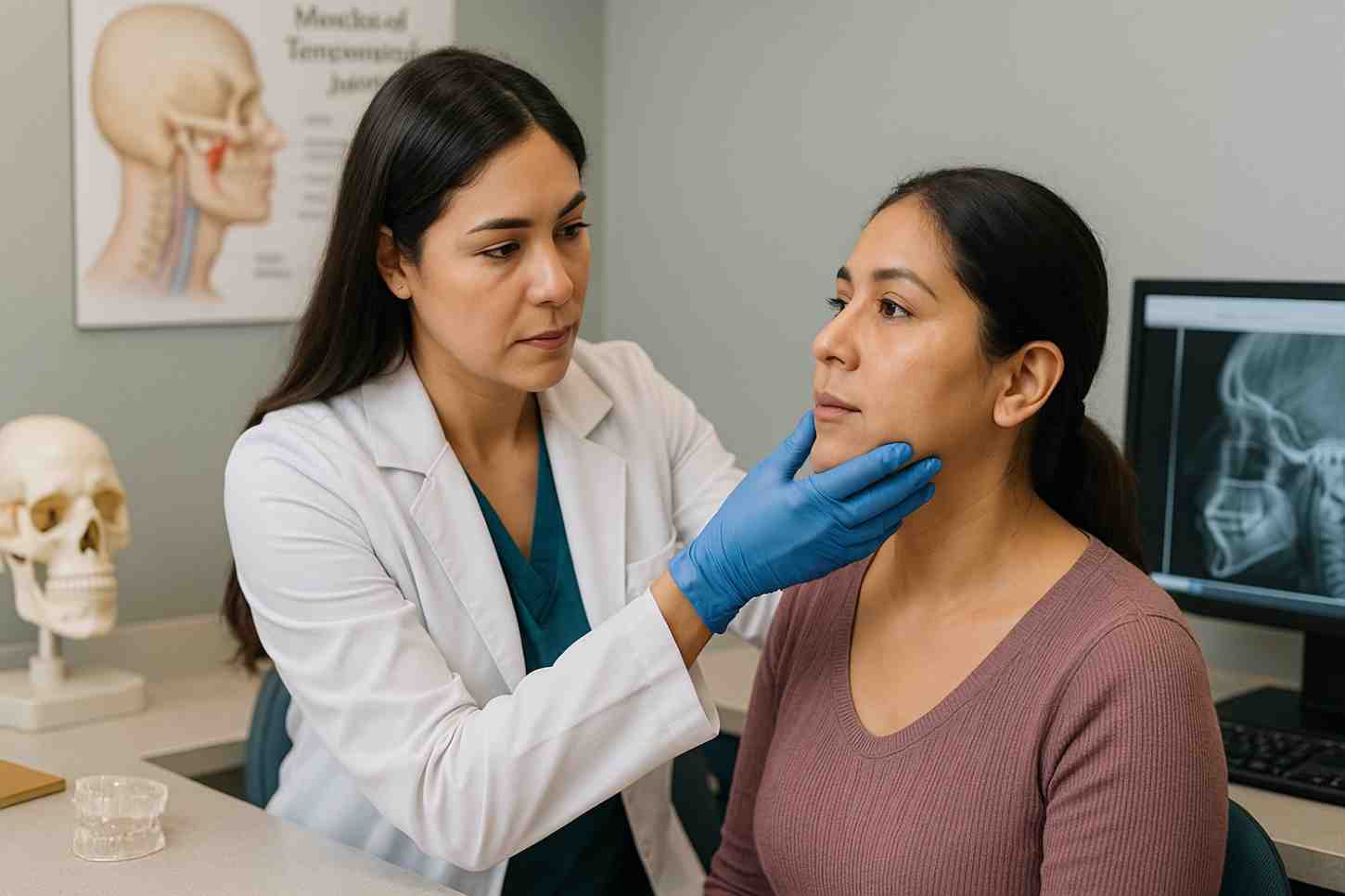
TMD/TMJ Disorders: Dental and Neurological Interventions
Understanding TMD: The Jaw Joint and Its Dysfunction
Temporomandibular disorders (TMD), affecting the jaw joint that connects the mandible to the skull, represent a complex group of conditions causing jaw pain, facial pain, and dysfunction in millions of Americans, including South Texas residents. For Laredo patients experiencing jaw pain, popping sounds, clicking, or difficulty opening their mouths, understanding TMD and available treatment options proves essential for achieving relief. TMD affects individuals across ages and demographics in Webb County, though it appears more frequently in women—a pattern observed in Laredo residents and South Texas populations generally.
The temporomandibular joint (TMJ) functions as one of the most complex joints in the human body, combining hinging and sliding movements essential for eating, speaking, and facial expression. When dysfunction develops in Laredo residents, cascading effects affect not only jaw function but also create pain radiating to the head, neck, shoulders, and back—creating widespread suffering affecting quality of life for South Texas patients. Understanding TMD's multifactorial nature helps Webb County healthcare providers develop comprehensive treatment approaches addressing individual patient needs in Laredo clinics.
Anatomy and Function of the TMJ
The temporomandibular joint comprises the mandibular condyle (part of the lower jaw), the temporal bone (part of the skull), and an articular disc between them serving as a shock absorber. Muscles, ligaments, and tendons surrounding the joint coordinate movement in South Texas residents. A complex system of nerves carries sensation and motor signals—the trigeminal nerve (fifth cranial nerve) controlling jaw closing muscles while the facial nerve (seventh cranial nerve) controls certain facial muscles in Laredo patients. When these anatomical components function harmoniously, jaw movement proves smooth and painless; dysfunction in any component affects the entire system, creating pain and dysfunction in Webb County residents.
Common TMD Manifestations in Laredo Residents
Joint Pain and Dysfunction
Joint-centered TMD in South Texas residents involves inflammation, arthritis, or disc displacement affecting the temporomandibular joint directly. Patients describe jaw pain localized to the joint area just in front of the ear, sometimes radiating to the temporal region of the head affecting Laredo residents. Pain may worsen with jaw function—chewing, speaking, yawning—or after prolonged mouth opening. Morning stiffness affects some Webb County residents, similar to other joint conditions. In advanced cases, osteoarthritis develops in the TMJ affecting South Texas patients, causing progressive joint degeneration requiring specialized management at Laredo pain clinics.
Myofascial Pain Dysfunction
Muscle-centered TMD develops when jaw muscles—particularly the masseter and temporalis muscles—become tight, spastic, or develop trigger points in Laredo residents. South Texas patients describe diffuse jaw pain, facial pain, or headaches resulting from muscle dysfunction rather than joint pathology. Pain often radiates from the jaw to the temples, neck, and shoulders affecting Webb County residents' quality of life. Trigger points within the muscles cause referred pain in different facial regions—a pattern recognizable to specialized pain clinics in Laredo treating TMD myofascial pain.
TMJ Clicking and Popping
Many Laredo residents experience clicking or popping sounds from their jaw joints without necessarily experiencing pain. These sounds result from disc position changes during jaw movement in South Texas patients. While sometimes benign, progressive disc displacement can eventually lead to pain and dysfunction affecting Webb County residents. Some Laredo patients tolerate these sounds indefinitely; others progress to painful dysfunction requiring intervention at Laredo pain clinics. The natural history varies: some South Texas residents' clicking resolves spontaneously while others develop increasing pain and limitation.
TMD's Neurological Manifestations
Beyond local jaw symptoms, TMD causes widespread neurological effects affecting many Laredo residents. Headaches—often migraine-like—frequently accompany TMD in South Texas patients. Neck and shoulder pain results from compensatory muscle tension as Laredo residents protect painful jaw joints. Dizziness and balance disturbances affect some Webb County residents, likely from proprioceptive changes affecting balance system input. Tinnitus (ear ringing) and hearing changes occur in certain South Texas patients due to TMJ proximity to ear structures. Cognitive changes sometimes emerge—studies show TMD patients perform worse on cognitive function testing compared to controls, affecting Laredo residents' work performance and daily functioning at pain clinics in Webb County.
Conservative Treatment Approaches: The First-Line Strategy
Behavioral Modification and Lifestyle Adjustment
Conservative treatment forms the foundation of TMD management for most Laredo residents, with physical therapy and behavioral approaches showing effectiveness in 72% of South Texas patients. Identifying and modifying behaviors exacerbating TMD proves crucial: reducing jaw clenching and teeth grinding, avoiding wide mouth opening, modifying chewing patterns to smaller bites, and limiting challenging foods (hard, crunchy, chewy) helps many Webb County residents reduce symptoms. Stress management becomes essential, as psychological stress triggers muscle tension and jaw clenching in Laredo patients. Relaxation techniques, mindfulness meditation, and psychological counseling help address stress-related TMD components affecting South Texas residents.
Physical Therapy and Jaw Exercises
Physical therapy represents one of the most effective conservative treatments for TMD in Laredo residents. Specialized physical therapists at South Texas facilities perform manual therapy addressing muscle tension and joint positioning. Therapeutic jaw exercises improve muscle coordination and strength affecting Webb County patients. Postural correction helps many Laredo residents, as forward head posture increases TMJ strain. Heat application before therapy relaxes muscles, while ice afterward reduces inflammation. Evidence supports manual therapy combined with jaw exercises as more effective than either intervention alone affecting South Texas residents with TMD.
For Laredo residents, physical therapy typically requires 2-3 sessions weekly for several weeks, with improvements often evident within 2-3 weeks. Supervised exercises prove more effective than unsupervised home programs for TMD affecting Webb County patients. Long-term success requires continued home exercise programs maintaining gains achieved during supervised therapy—a commitment many South Texas residents embrace once experiencing improvement.
Occlusal Splints and Intraoral Appliances
Occlusal splints (dental guards) reduce TMD symptoms in some Laredo residents by reducing muscle tension and protecting teeth from grinding damage. These appliances position the jaw optimally, reducing joint strain in South Texas patients. Nightguards particularly benefit residents grinding or clenching during sleep affecting their Webb County daily pain levels. Properly fitted splints help many Laredo residents; however, evidence suggests they work no better than placebo in some studies, suggesting individual responses vary among South Texas patients. Importantly, effective splints do not permanently alter bite—they stabilize jaw position temporarily, distinguishing therapeutic splints from older correction devices causing harm to some Webb County residents.
Medications for TMD Management
NSAIDs reduce inflammation and pain in acute TMD episodes affecting Laredo residents. Muscle relaxants decrease muscle spasm contributing to jaw dysfunction in South Texas patients. For chronic TMD causing significant pain and disability, antidepressants—particularly tricyclic antidepressants—help through both mood enhancement and pain modulation affecting Webb County residents. Anxiety medications may help selected Laredo patients with stress-related TMD components. Importantly, medications alone rarely solve TMD problems; rather, they support other treatment approaches by reducing pain sufficiently that Laredo residents can participate in physical therapy affecting their South Texas pain management.
Advanced Conservative and Interventional Approaches
Behavioral Health Integration: Cognitive Behavioral Therapy
Cognitive behavioral therapy (CBT) addresses psychological factors contributing to TMD in Laredo residents. This approach helps South Texas patients identify negative thought patterns and develop coping strategies reducing pain amplification. Pain catastrophizing—anticipating worst outcomes—increases pain perception affecting Webb County residents with TMD. CBT helps Laredo patients develop realistic perspectives on their condition, reducing psychological suffering accompanying chronic jaw pain. Integration of psychology specialists into TMD treatment teams at South Texas facilities improves outcomes compared to purely physical approaches affecting Laredo residents' overall health.
Biofeedback and Neuromuscular Control
Biofeedback teaches Laredo residents to recognize and control jaw muscle tension affecting their TMD symptoms. Sensors monitoring muscle activity provide real-time feedback helping South Texas patients develop awareness of unconscious muscle tension. As Webb County residents learn to consciously relax these muscles, symptoms often improve significantly. This skill-based intervention empowers Laredo residents to manage their condition through conscious control, reducing dependence on passive treatments affecting their long-term South Texas quality of life.
Acupuncture and Complementary Approaches
Acupuncture shows limited but some evidence for TMD pain relief in certain Laredo residents. Traditional approaches honoring South Texas cultural values may enhance engagement for some residents. Transcutaneous electrical nerve stimulation (TENS) provides temporary pain relief during acute TMD episodes in Webb County patients. While insufficient as monotherapy, these complementary approaches may enhance comprehensive treatment effects for Laredo residents seeking integrative management approaches at South Texas pain clinics.
Interventional Procedures for Resistant TMD
Intra-Articular Injections
When conservative approaches prove insufficient after 3-6 months for Laredo residents, intra-articular injections provide direct delivery of medication to the TMJ. Steroid injections reduce inflammation affecting South Texas patients, providing relief lasting weeks to months. Hyaluronic acid injections aim to restore joint lubrication and protect articular surfaces in Webb County residents. Local anesthetic injections confirm TMJ involvement in jaw pain, helping distinguish joint-centered from muscle-centered TMD affecting Laredo patients' treatment planning.
Arthrocentesis and Arthroscopy
Arthrocentesis, involving needle puncture of the TMJ followed by fluid instillation, removes inflammatory substances and breaks adhesions affecting South Texas residents' TMJ function. This minimally invasive procedure helps Laredo patients with disc displacement and reduced mouth opening. Arthroscopy allows direct visualization of joint structures, identifying pathology while simultaneously treating it in Webb County residents. These procedures work best in early stages of TMD affecting South Texas residents; significant degenerative changes may require more invasive interventions at Laredo pain clinics.
Prolotherapy and Regenerative Approaches
Prolotherapy involves injection of irritant solutions designed to trigger healing responses in TMJ ligaments and tissues affecting Laredo residents with TMD. Evidence for prolotherapy remains limited in South Texas populations, though some positive studies suggest benefit for selected Laredo patients with TMJ hypermobility or ligament laxity. Platelet-rich plasma (PRP) and stem cell approaches show early promise for certain Webb County residents, though long-term efficacy remains incompletely established. These emerging approaches may benefit select South Texas residents when conventional treatments have failed.
Surgical Interventions for Severe TMD
Arthroscopic Surgery
Arthroscopic TMJ surgery allows minimally invasive treatment of disc displacement, joint arthritis, and other TMJ pathology in Laredo residents. Surgeons can reposition discs, remove scar tissue, and repair damaged structures in South Texas patients. Success rates exceed 70% in carefully selected Laredo residents with identifiable joint pathology affecting their pain and dysfunction. Recovery typically requires several weeks for Webb County residents to resume normal function, with gradual improvement over months as tissue healing progresses at South Texas pain clinics.
Open Surgical Approaches
For severe TMD unresponsive to arthroscopic approaches, open TMJ surgery may be necessary for select Laredo residents. Disc plication (tightening disc ligaments) helps some South Texas patients with disc displacement. Joint reconstruction replaces severely damaged TMJ structures affecting Webb County residents with advanced arthritis. Orthognathic (jaw alignment) surgery corrects skeletal abnormalities contributing to TMD in certain Laredo patients. These major surgical approaches remain last-resort options when conservative and minimally invasive procedures have failed, reserved for carefully selected South Texas residents with severe, functionally disabling TMD.
Integrated, Multidisciplinary Approach: Optimal TMD Management in Webb County
Modern TMD management recognizes the condition's multifactorial nature requiring integration of dental, physical, psychological, and pain management approaches. Multidisciplinary teams at South Texas facilities including dentists, physical therapists, psychologists, and pain specialists achieve superior outcomes compared to single-specialty approaches affecting Laredo residents. Communication among team members ensures coordinated treatment addressing all TMD components affecting individual Webb County patients. For Laredo's diverse population, including Spanish-speaking residents, bilingual professionals and culturally competent care facilitate engagement and adherence affecting treatment success in South Texas.
Practical Management: What Laredo Residents Should Know
If experiencing jaw pain, clicking, or dysfunction, seek evaluation from healthcare providers familiar with TMD at Laredo pain clinics. Initial evaluation typically involves careful history, physical examination, and imaging when indicated. Most South Texas residents benefit from conservative treatment initiation, progressing to interventional approaches only if conservative measures prove insufficient. Maintain regular communication with your healthcare team at Webb County facilities, reporting symptom changes and treatment responses. Compliance with prescribed home exercises and behavioral modifications proves crucial for success in Laredo residents' TMD management.
Conclusion: Restoring Jaw Function and Quality of Life
TMD represents a common, treatable condition affecting millions of Americans including South Texas residents. Understanding TMD's diverse presentations and the spectrum of treatment options from conservative approaches through advanced interventional and surgical procedures empowers Laredo residents to seek appropriate care. Most South Texas patients achieve significant improvement or complete resolution through evidence-based treatment available at Webb County pain clinics. If jaw pain affects your quality of life, take the first step by seeking evaluation from TMD specialists in Laredo, knowing that modern treatment offers excellent prospects for symptom relief and function restoration in your South Texas community.