
Telemedicine for Rural Patients: Expanding Access to Pain Specialists
Telemedicine for Rural Patients: Expanding Access to Pain Specialists
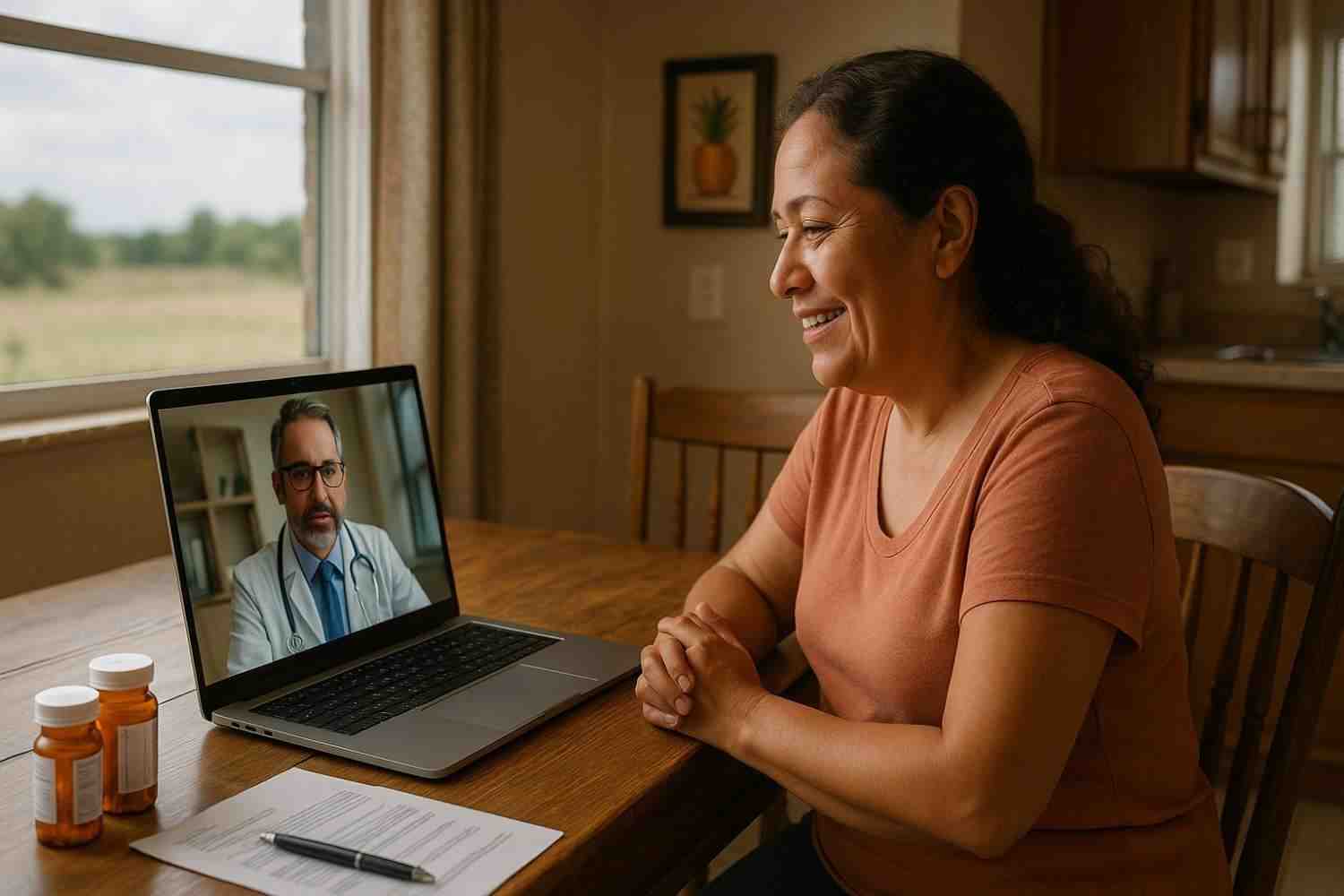
Rural communities throughout South Texas, including areas surrounding Laredo in Webb County, Zapata County to the south, and smaller towns scattered across the Rio Grande Valley, face a persistent challenge: limited access to specialized healthcare services including pain management. Geographic isolation, provider shortages, transportation barriers, and economic constraints create significant obstacles to receiving comprehensive pain care. Telemedicine—the delivery of healthcare services through telecommunications technology—is transforming this landscape, connecting rural patients with pain specialists who may be hours away geographically but just minutes away virtually. At Pain Management Laredo, we're embracing telemedicine to extend our specialized care beyond our physical clinic, ensuring that chronic pain patients throughout Laredo, TX and surrounding rural areas can access expert treatment regardless of where they live.
Healthcare Access Challenges in Rural South Texas
Understanding the barriers rural patients face helps appreciate why telemedicine represents such a transformative innovation:
Provider Shortage and Geographic Barriers
- Specialist Scarcity: Rural counties in South Texas have few or no pain management specialists; many small towns rely solely on primary care physicians who, while excellent general practitioners, may lack specialized training in complex interventional pain procedures.
- Travel Distances: Patients in rural Zapata County, Jim Hogg County, or Starr County may live 50-100+ miles from the nearest pain specialist in Laredo, creating substantial travel burdens particularly for frequent appointments.
- Transportation Limitations: Many rural residents lack reliable personal vehicles; public transportation is minimal or nonexistent in rural South Texas, making even a 50-mile trip to Laredo a significant logistical challenge.
- Time and Work Conflicts: Taking half or full day off work for medical appointments (including travel time) is financially difficult for hourly workers, ranch employees, and agricultural laborers who cannot afford lost wages.
- Caregiving Responsibilities: Rural residents caring for children, elderly parents, or livestock cannot easily leave for extended periods required for distant medical appointments.
Economic and Social Barriers
- Lower Income Levels: Rural South Texas communities have median incomes below urban averages; gas costs, childcare expenses, and lost work hours for medical travel represent significant financial burdens.
- Higher Uninsurance Rates: Rural areas in Texas have higher rates of uninsurance and underinsurance, making patients less likely to seek specialized care requiring multiple visits and out-of-pocket costs.
- Limited Broadband Access: While improving, many rural areas in Webb County and surrounding counties still lack high-speed internet, potentially limiting telehealth access—though mobile data networks increasingly fill this gap.
- Digital Literacy Variations: Older rural residents and those with limited formal education may be less comfortable with technology required for telemedicine, though this barrier decreases as smartphone adoption increases.
- Language and Cultural Factors: Spanish-speaking rural residents may face language barriers accessing healthcare, though bilingual telemedicine services can actually improve access compared to English-only specialist practices.
Impact on Pain Management
- Delayed Treatment: Geographic and logistical barriers cause rural patients to delay seeking specialized pain care, allowing acute pain to transition to chronic conditions and simple problems to become complex.
- Emergency Department Overreliance: Without access to outpatient pain specialists, rural patients with pain crises use emergency departments—receiving symptomatic treatment but not the comprehensive ongoing pain management needed.
- Medication-Only Approaches: Limited specialist access leads to overreliance on medications (including opioids) when multimodal approaches incorporating interventional procedures and comprehensive rehabilitation would be more effective and safer.
- Lost Treatment Continuity: Transportation challenges cause rural patients to miss follow-up appointments, disrupting treatment continuity and preventing optimization of pain management plans.
- Reduced Quality of Life: Untreated or undertreated chronic pain in rural communities contributes to disability, depression, social isolation, and economic hardship when residents cannot access specialized care.
Pain Management Laredo recognizes these access challenges facing our rural neighbors throughout South Texas and views telemedicine as an essential tool to bridge geographic divides and provide equitable access to specialized pain care.
How Telemedicine Works in Pain Management
Modern telemedicine for chronic pain combines various technologies and care delivery models to provide comprehensive services:
Technology Platforms and Modalities
- Video Consultations: HIPAA-compliant secure video platforms enable face-to-face virtual appointments where pain specialists can interview patients, review imaging, discuss treatment options, and provide education—replicating most aspects of in-person consultations.
- Smartphone Apps: Dedicated telemedicine applications on patients' smartphones or tablets provide user-friendly access to video visits, messaging with providers, prescription management, and appointment scheduling from any location with internet or cellular data.
- Store-and-Forward: Patients can securely upload photos of surgical scars, swelling, skin changes, or medication bottles between appointments; providers review these asynchronously and respond with guidance, enabling ongoing monitoring without synchronous video calls.
- Remote Patient Monitoring: Wearable devices or smartphone sensors can track activity levels, sleep quality, and other metrics relevant to pain management, with data automatically transmitted to providers for review.
- Telephone Consultations: For rural patients lacking reliable video capability or comfortable with audio-only, telephone consultations provide an accessible alternative—particularly useful for medication follow-ups or brief check-ins.
- Hybrid Models: Combining periodic in-person visits for procedures with telemedicine follow-ups optimizes convenience while maintaining hands-on care when physically necessary.
Clinical Services Deliverable via Telemedicine
- Initial Consultations: New patient evaluations can be conducted virtually, with pain specialists reviewing medical history, prior imaging and records (uploaded in advance), current symptoms, functional limitations, and psychosocial factors.
- Follow-Up Appointments: Post-procedure follow-ups, medication management visits, treatment plan adjustments, and monitoring for complications can often be accomplished virtually, reducing travel burden for routine care.
- Medication Management: Prescribing, adjusting, and monitoring pain medications—including controlled substances in accordance with Texas telemedicine prescribing regulations—can be managed through virtual visits with appropriate patient relationship and documentation.
- Treatment Education: Teaching patients about their conditions, explaining procedure options, discussing risks and benefits, and providing instructions for home pain management strategies works well in video format with visual aids.
- Behavioral Health Integration: Cognitive behavioral therapy for pain, relaxation training, stress management, and psychological support for chronic pain integrate seamlessly with telemedicine, potentially improving access to pain psychology services scarce in rural areas.
- Interdisciplinary Team Coordination: Virtual meetings can connect rural patients with multidisciplinary pain teams (physicians, physical therapists, psychologists, pharmacists) without requiring travel to distant tertiary centers.
Hybrid Care Model: Combining In-Person and Virtual Care
The most effective telemedicine approach for pain management typically combines in-person and virtual care strategically:
When In-Person Visits Are Essential
- Initial Physical Examination: First appointments often benefit from hands-on physical examination, palpation of painful areas, neurological testing, and assessment of range of motion difficult to evaluate via video.
- Interventional Procedures: Epidural steroid injections, nerve blocks, radiofrequency ablation, spinal cord stimulator trials and implants, and other interventional pain procedures require in-person visits to procedure facilities—cannot be performed remotely.
- Diagnostic Injections: When diagnosis is uncertain, diagnostic nerve blocks help identify pain generators; these require in-person visits but subsequent treatment planning can occur virtually.
- Complex Cases: Patients with complicated presentations, multiple comorbidities, or unclear diagnoses may benefit from comprehensive in-person evaluation before transitioning to telemedicine follow-up.
- Patient Preference: Some patients, particularly older individuals or those less comfortable with technology, prefer traditional in-person care; respecting these preferences maintains patient-centered approach.
Optimal Uses of Telemedicine
- Pre-Procedure Planning: Virtual consultations can review procedure options, answer questions, obtain informed consent, and provide pre-procedure instructions before patients travel to Laredo for actual intervention.
- Post-Procedure Follow-Up: After epidurals, nerve blocks, or implant procedures, follow-up appointments assessing response, adjusting medications, and monitoring for complications work well via telemedicine, sparing rural patients additional trips to Laredo.
- Chronic Disease Management: Ongoing management of stable chronic pain conditions with established treatment plans requires less frequent hands-on examination; telemedicine enables convenient regular check-ins maintaining treatment continuity.
- Urgent Consultations: When rural patients experience pain flares, new symptoms, or medication concerns, same-day or next-day virtual visits can address issues quickly without emergency department visits or delayed care waiting for available in-person appointments.
- Coordination with Local Providers: Telemedicine facilitates collaborative care where pain specialists virtually guide local primary care physicians in rural communities, enabling complex pain management with local medication prescribing and monitoring supported by remote specialist expertise.
Evidence Supporting Telemedicine for Pain Management
Research demonstrates telemedicine's effectiveness and patient satisfaction in pain care delivery:
Clinical Outcomes
- Equivalent Pain Reduction: Multiple studies show pain intensity reductions with telemedicine pain management equal to in-person care, with no significant differences in pain scores at 3, 6, or 12-month follow-ups.
- Improved Functional Outcomes: Telemedicine pain programs achieve similar improvements in physical function, activity levels, and quality of life compared to traditional clinic-based care.
- Better Treatment Adherence: Rural patients using telemedicine show higher appointment attendance rates and better medication adherence compared to those requiring in-person visits, likely due to reduced logistical barriers.
- Reduced Emergency Care: Telemedicine access to pain specialists correlates with decreased emergency department visits for pain-related concerns, as patients can address issues proactively via virtual consultations.
- Enhanced Patient-Provider Communication: Some studies suggest video visits improve communication by allowing patients to participate from comfortable home environments where they may feel less rushed and more able to ask questions.
Patient Satisfaction and Access
- High Satisfaction Rates: Patient satisfaction surveys consistently show 85-95% satisfaction with telemedicine pain management, with convenience and time savings cited as major benefits.
- Increased Access to Specialists: Telemedicine demonstrably increases rural patients' ability to see pain specialists, with studies showing 40-60% increases in specialist visit completion rates when telehealth options are available.
- Cost Savings: Patients save an average of $50-$150 per visit in transportation costs, childcare expenses, and lost wages when using telemedicine versus traveling to distant specialists—significant for rural communities with lower median incomes.
- Reduced Travel Burden: Eliminating 2-4 hours of driving for a 20-30 minute appointment significantly improves quality of life for rural chronic pain patients requiring frequent follow-ups.
- Continuity of Care: Telemedicine enables more frequent check-ins and easier ongoing communication, improving continuity and patient-provider relationships compared to infrequent in-person visits separated by months.
Regulatory and Reimbursement Landscape
Understanding regulations and insurance coverage affecting telemedicine availability is important for rural patients:
Texas Telemedicine Regulations
- Patient-Provider Relationship: Texas allows telemedicine to establish initial patient-provider relationships for most services (expanded permanently after COVID-19 emergency waivers), enabling new patients to begin care via virtual visits.
- Controlled Substance Prescribing: Texas permits prescribing of most controlled substances via telemedicine with appropriate patient evaluation and documentation, though initial Schedule II opioid prescriptions may still require in-person visits per DEA regulations.
- Standard of Care: Telemedicine visits must meet the same standard of care as in-person visits, with appropriate medical history, examination (within technology limitations), diagnosis, and treatment planning documented in medical records.
- Informed Consent: Providers must inform patients they're receiving care via telemedicine and obtain consent, with patients free to request in-person care if preferred.
- Licensure Requirements: Physicians providing telemedicine must be licensed in Texas (where patient is located during visit), ensuring providers are subject to Texas Medical Board oversight protecting patient safety.
Insurance Coverage
- Medicare Coverage: Medicare now covers telemedicine visits broadly (expanded from pre-pandemic restrictions to only rural areas), reimbursing at same rate as in-person visits—benefiting rural elderly chronic pain patients.
- Texas Medicaid: Texas Medicaid covers telemedicine services including pain management consultations, improving access for low-income rural residents who qualify for coverage.
- Private Insurance: Most commercial insurers in Texas cover telemedicine visits, though specific benefits vary by plan; patients should verify coverage with insurers before scheduling virtual visits.
- Parity Requirements: Texas law requires private insurers cover telemedicine services at same level as in-person care (reimbursement parity), though patients may still have copays or deductibles as with traditional visits.
- Self-Pay Options: For uninsured rural patients, telemedicine visits are often less expensive than in-person consultations ($75-$150 vs. $150-$300), improving affordability of specialist access.
Implementing Telemedicine: Practical Considerations
For rural South Texas patients considering telemedicine pain management, several practical factors facilitate successful virtual care:
Technology Requirements
- Internet Connectivity: Video visits require internet connection (broadband, DSL, or 4G/5G mobile data); minimum 1-2 Mbps download speed sufficient for basic video, though 5+ Mbps provides better quality.
- Device Options: Smartphones (iPhone, Android), tablets (iPad, Android), or computers with webcams all work for video visits; most patients find smartphones most convenient and accessible.
- App Installation: Many telemedicine platforms require downloading an app (available free from App Store or Google Play); some work through web browsers without installation, useful for older computers.
- Audio and Visual Requirements: Device must have working camera, microphone, and speaker; most modern smartphones have adequate quality built-in without needing external equipment.
- Tech Support: Reputable telemedicine programs provide tech support helping patients troubleshoot connection issues, test technology before appointments, and overcome technical barriers.
Optimizing Virtual Visits
- Private Quiet Space: Finding a private location with minimal background noise ensures confidentiality and clear communication; many rural patients have advantage of private home spaces compared to urban apartment dwellers.
- Good Lighting: Positioning near window or lamp helps provider see patient clearly during video visit, important for visual assessment of mobility, posture, and pain behaviors.
- Preparation: Having medication bottles visible, written questions ready, and relevant medical records accessible makes virtual visits more efficient and productive.
- Family Involvement: Telemedicine allows family members to easily participate in visits (with patient consent), helpful for older patients, those with language barriers, or complex decision-making.
- Follow-Up Access: After-visit messaging through patient portals enables asking follow-up questions that arise after appointment ends, improving continuity without additional appointments.
Pain Management Laredo's Telemedicine Program
Our approach to telemedicine expands access while maintaining high-quality comprehensive care:
Services We Offer Virtually
- Initial Consultations: New patients from rural areas can begin with virtual consultation reviewing history and imaging, discussing treatment options, and developing initial pain management plans—with subsequent in-person visit for procedures if needed.
- Follow-Up Care: After in-person interventional procedures at our Laredo facility, rural patients can follow up virtually, eliminating need for return trips while ensuring close monitoring and treatment optimization.
- Medication Management: Ongoing management of pain medications, adjustments based on response, monitoring for side effects, and opioid tapering (when appropriate) can be handled through regular virtual visits.
- Education and Counseling: Teaching patients about pain conditions, self-management strategies, activity pacing, ergonomics, and behavioral pain management techniques works effectively through video visits.
- Urgent Consultations: Rural patients experiencing pain flares, new symptoms, or medication concerns can often receive same-day or next-day virtual appointments, providing timely access when in-person visits would require long waits or travel.
Coordinated Care Approach
- Hybrid Scheduling: We work with patients to schedule in-person visits for procedures clustered efficiently (multiple injections in single visit when possible) with virtual visits for follow-up, minimizing travel burden while maximizing treatment effectiveness.
- Local Provider Collaboration: We communicate with rural patients' primary care physicians and local healthcare providers, creating collaborative care teams where specialist expertise guides local ongoing management.
- Bilingual Services: Our bilingual staff provide telemedicine visits in Spanish or English, eliminating language barriers that sometimes exist in English-only specialist practices.
- Flexible Technology: We offer multiple platforms (smartphone app, web-based video, telephone consultations) accommodating varying technology access and comfort levels among rural patients.
- Insurance Navigation: Our team assists rural patients verifying insurance coverage for telemedicine, completing prior authorizations, and exploring self-pay options when needed to ensure access isn't blocked by administrative barriers.
Future of Telemedicine in Rural Pain Management
Continuing innovations promise to further enhance telemedicine's role in rural healthcare:
Emerging Technologies
- Remote Examination Tools: Digital stethoscopes, smartphone-connected dermascopes, and other peripherals may enable more thorough physical examination via telemedicine, reducing need for in-person visits.
- AI-Enhanced Diagnosis: Artificial intelligence analyzing patient-uploaded photos, movement videos, or symptom descriptions could assist providers in diagnosing pain conditions remotely with greater accuracy.
- Virtual Reality Applications: VR-based pain management interventions (distraction therapy, guided meditation, therapeutic exercises) delivered via telemedicine could enhance non-pharmacological treatment options for rural patients.
- Improved Connectivity: Ongoing rural broadband expansion in Texas, including 5G mobile networks, will improve video quality and access for currently underserved areas.
- Implantable Device Monitoring: Spinal cord stimulators and intrathecal pumps with remote programming and monitoring capabilities may reduce in-person follow-up needs for rural patients with these advanced pain therapies.
Policy and Practice Evolution
- Permanent Coverage Expansion: Post-COVID telehealth expansions becoming permanent ensure rural patients retain improved access to pain specialists via telemedicine.
- Interstate Licensure: Proposals for interstate medical licensure compacts could allow rural patients to access specialists in neighboring states via telemedicine, further expanding provider options.
- Quality Standards: Development of telemedicine-specific quality metrics and best practices ensures virtual care maintains high standards and continues improving.
- Reduced Disparities: As telemedicine adoption increases, rural-urban healthcare access gaps may narrow significantly, improving health equity for South Texas communities.
Telemedicine represents far more than a convenience—it's a fundamental restructuring of healthcare delivery that has special significance for rural communities long underserved by specialist shortage. For chronic pain patients in Zapata County, Jim Hogg County, Starr County, and rural areas of Webb County surrounding Laredo, telemedicine offers genuine access to comprehensive pain management that previously required impossible travel and time commitments.
The hybrid model combining telemedicine for consultations and follow-ups with in-person visits for interventional procedures provides the best of both worlds: convenience and accessibility of virtual care with hands-on treatment when needed. Pain Management Laredo is committed to leveraging telemedicine technology to serve our rural South Texas neighbors, ensuring that geographic location doesn't determine quality of pain care.
If you're experiencing chronic pain in rural South Texas and have struggled to access specialized pain management due to distance, transportation, or time constraints, contact Pain Management Laredo to discuss telemedicine options. We're here to bring comprehensive pain care to you—wherever in South Texas you call home.