
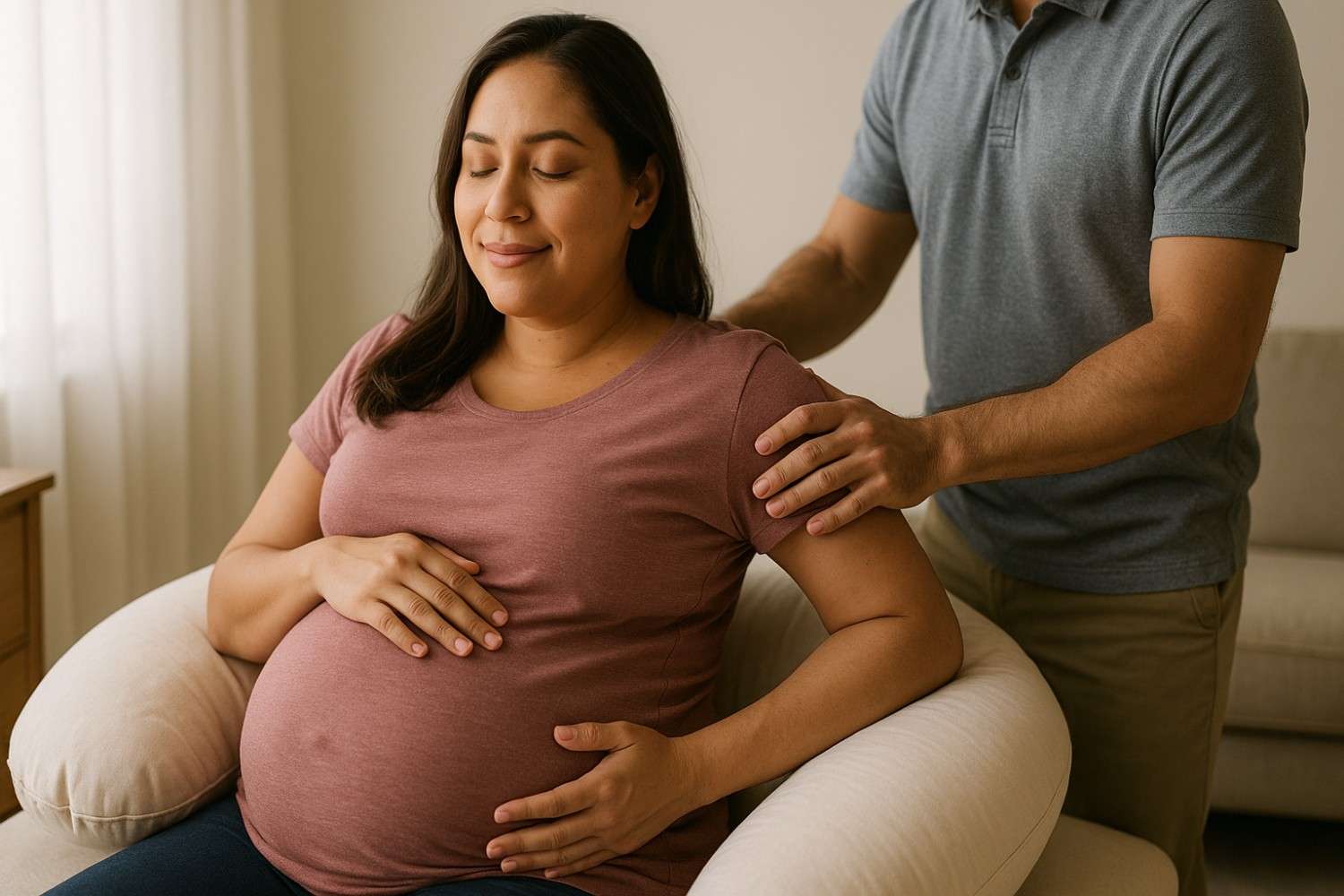
Pregnancy-Related Back Pain: Safe Interventions for Expectant Mothers
Pregnancy-Related Back Pain: Safe Interventions for Expectant Mothers in Laredo
At Pain Management Laredo, we understand that pregnancy, while joyful, often brings significant physical challenges—with back pain being among the most common and potentially debilitating. Up to 70% of pregnant women experience back pain, which can range from mild discomfort to severe pain that interferes with daily activities, sleep, and overall quality of life. Our specialized approach focuses on safe, effective interventions tailored specifically for expectant mothers in Laredo, prioritizing the wellbeing of both mother and baby throughout pregnancy and the postpartum period.
Understanding Pregnancy-Related Back Pain: Causes and Characteristics
Back pain during pregnancy stems from multiple physiological and mechanical changes:
Biomechanical and Hormonal Factors
- Weight Distribution Changes: As pregnancy progresses, the growing uterus shifts the center of gravity forward, causing increased lumbar lordosis (curve in the lower back) and placing additional stress on back muscles and ligaments.
- Relaxin and Other Hormones: Pregnancy hormones, particularly relaxin, loosen ligaments and joints throughout the body to prepare for childbirth. While necessary for delivery, this increased joint laxity can lead to instability in the spine and pelvis.
- Weight Gain: The additional weight of pregnancy (typically 25-35 pounds) places increased load on the spine and supporting structures.
- Postural Adaptations: Compensatory changes in posture, such as an increased anterior pelvic tilt and rounded shoulders, further stress the musculoskeletal system.
Common Types and Locations of Pregnancy Back Pain
- Lumbar Pain: Traditional lower back pain centered in the lumbar region, often feeling similar to pre-pregnancy back pain but intensified.
- Posterior Pelvic Pain: Felt lower and more laterally than lumbar pain, often extending into the buttocks and thighs, sometimes mimicking sciatica.
- Sacroiliac Joint Pain: Sharp pain localized near the dimples at the lower back/upper buttocks, often worse with transitional movements like sitting to standing.
- Thoracic Spine Pain: Upper and mid-back pain that increases as pregnancy progresses, often related to breast enlargement and postural changes.
Risk Factors and Timing
- Prior Back Pain: Women with pre-existing back problems often experience exacerbation during pregnancy.
- Multiple Pregnancies: Back pain typically worsens with subsequent pregnancies and multiple gestations.
- Physical Demands: Occupations requiring prolonged standing, lifting, or bending increase risk and severity.
- Onset Patterns: Back pain commonly begins between the 5th and 7th month of pregnancy, though it can start earlier, especially in women with previous pregnancies.
For our Laredo patients, understanding these factors helps contextualize their experience and forms the foundation for effective, targeted interventions that address their specific type of pregnancy-related back pain.
Safe Physical Medicine Approaches for Pregnancy
Our approach emphasizes evidence-based physical interventions that are safe during pregnancy:
Pregnancy-Specific Exercise Programs
- Core Stabilization: Modified exercises focusing on the transverse abdominis and pelvic floor muscles that support the spine and pelvis without placing pressure on the abdomen.
- Water-Based Exercise: Aquatic programs that reduce gravitational stress while providing gentle resistance and support. Laredo's warm climate makes water exercise comfortable year-round.
- Pelvic Tilts: Simple exercises that can be performed in various positions to relieve pressure and strengthen supporting muscles.
- Modified Yoga: Prenatal yoga sequences designed specifically to address back pain while avoiding poses contraindicated during pregnancy.
- Gentle Stretching Routines: Focus on hip flexors, hamstrings, and chest muscles that commonly tighten during pregnancy and contribute to back strain.
Physical Therapy Interventions
- Manual Therapy Techniques: Gentle joint mobilization, myofascial release, and soft tissue techniques adapted for pregnancy safety.
- Neuromuscular Re-education: Training in optimal movement patterns to reduce strain during daily activities.
- Taping Techniques: Kinesiology taping to provide support and proprioceptive feedback without restricting movement.
- Positioning Strategies: Instruction in optimal sleeping, sitting, and standing postures to minimize back strain.
- Functional Training: Practicing pregnancy-specific activities like picking up objects and getting in/out of bed with proper body mechanics.
Supportive Devices and Equipment
- Pregnancy Support Belts: Sacroiliac and maternity belts that provide external stability to the pelvis and lower back.
- Specialized Pillows: Body pillows and wedges designed to support the pregnant body during sleep and rest.
- Ergonomic Adaptations: Chair modifications, workstation adjustments, and tools to reduce back strain during daily activities.
- Footwear Recommendations: Guidance on appropriate footwear to minimize posture-related back pain, particularly important in Laredo's varied terrain.
Our Laredo physical therapists specialize in pregnancy care and work closely with obstetricians to ensure all interventions are appropriate for each woman's specific pregnancy circumstances and stage.
Complementary and Manual Therapy Approaches
Several complementary approaches show good evidence for safety and effectiveness during pregnancy:
Pregnancy-Modified Massage Therapy
- Side-Lying Techniques: Safe positioning that avoids pressure on the abdomen while allowing access to back muscles.
- Pregnancy Massage Protocols: Modified pressure, techniques, and positioning with awareness of sensitive areas and acupressure points to avoid.
- Partner Massage Training: Teaching partners simple, safe massage techniques to provide relief between professional sessions.
- Trigger Point Therapy: Gentle release of specific muscle knots that contribute to back pain, adapted for pregnancy safety.
Chiropractic Care During Pregnancy
- Webster Technique: A specific sacral analysis and adjustment method designed for pregnant women.
- Modified Adjustments: Gentle techniques that avoid uncomfortable positions and excessive force.
- Specialized Equipment: Tables with drop-away sections and pregnancy pillows that allow comfortable and safe positioning.
- Coordination with Obstetric Care: Our Laredo network includes chiropractors who work collaboratively with obstetricians.
Acupuncture and Acupressure
- Evidence-Based Point Selection: Focus on points with research support for back pain that are considered safe during pregnancy.
- Positioning Adaptations: Side-lying or seated treatments as pregnancy progresses.
- Self-Care Acupressure: Teaching women and partners safe acupressure techniques for home use.
- Auricular (Ear) Acupuncture: Minimally invasive approaches that can be performed in any position.
Mind-Body Approaches
- Relaxation Training: Progressive muscle relaxation, guided imagery, and breathing techniques to reduce muscle tension.
- Mindfulness for Pain: Pregnancy-adapted mindfulness practices focused on changing the relationship with pain sensations.
- Stress Management: Techniques to address the emotional aspects of pregnancy that can exacerbate back pain.
- Sleep Hygiene: Strategies to improve sleep quality, which often deteriorates due to pregnancy discomfort.
These complementary approaches are offered by practitioners in our Laredo network with specific training in prenatal care who understand the unique considerations of treating expectant mothers.
Activity Modification and Ergonomic Strategies
Daily activity adaptations can significantly reduce back pain during pregnancy:
Pregnancy-Specific Body Mechanics
- Lifting Techniques: Modified approaches that maintain proper spine alignment while accounting for the pregnant abdomen.
- Movement Transitions: Strategies for getting up from bed, chairs, and the floor that minimize strain on the back.
- Carrying Techniques: Methods for carrying objects (including other children) that distribute weight evenly.
- Prolonged Positioning: Guidelines for standing, sitting, and driving postures with regular position changes.
Home Environment Modifications
- Bedroom Setup: Arrangement of pillows and bed height for comfortable sleep and transitions.
- Bathroom Adaptations: Considerations for toilet height, shower safety, and bathing positions.
- Kitchen Adjustments: Counter height strategies and organization to reduce reaching and bending.
- Childcare Adaptations: For women with other children, techniques to reduce back strain during childcare activities.
Workplace Ergonomics During Pregnancy
- Desk and Chair Adjustments: Optimal setup for computer work with growing pregnancy.
- Standing Workstation Modifications: Foot supports, anti-fatigue mats, and positioning strategies.
- Break Scheduling: Planning for regular position changes and brief movement breaks.
- Job Task Rotation: When possible, alternating between different types of physical demands.
Activity Pacing and Energy Conservation
- Priority Setting: Strategies for identifying essential activities and delegating or modifying others.
- Fatigue Management: Recognizing that fatigue exacerbates back pain and implementing rest strategies.
- Daily Planning: Organizing activities to balance energy expenditure throughout the day.
- Microbreak Techniques: Brief, frequent rest periods incorporated throughout daily routines.
Our Laredo specialists provide personalized guidance for implementing these strategies in women's specific home and work environments, considering the unique climate and cultural context of South Texas.
Safe Pharmacological and Interventional Options
When non-pharmacological approaches are insufficient, certain medical interventions may be considered:
Medication Considerations During Pregnancy
- Acetaminophen: Generally considered the safest analgesic option during pregnancy when used as directed, though recent research suggests judicious use.
- Topical Agents: Selected lidocaine preparations and menthol-based creams may provide localized relief with minimal systemic absorption.
- NSAIDs and Other Medications: Most other pain medications require careful risk-benefit analysis and are typically avoided, especially in the first and third trimesters.
- Medication Timing: When medications are necessary, strategic timing to minimize fetal exposure while maximizing maternal benefit.
Limited Interventional Options
- Physical Medicine Modalities: Selected modalities like therapeutic ultrasound may be considered for severe pain in specific circumstances.
- Nerve Blocks: In rare cases of severe, debilitating pain, certain nerve blocks may be considered after comprehensive obstetric consultation.
- Heat and Cold Therapy: Proper application of superficial heat or cold with appropriate precautions regarding duration and temperature.
Medical Management Coordination
- Obstetric Consultation: All medical interventions are coordinated with the patient's obstetrician.
- Risk-Benefit Analysis: Careful consideration of potential risks to mother and fetus versus the impact of uncontrolled pain.
- Monitoring Protocols: When interventions are implemented, appropriate monitoring of maternal and fetal response.
- Individualized Approach: Recognition that pregnancy risk categories and appropriate interventions may vary based on gestational age and individual health factors.
Our Laredo pain specialists work closely with local obstetricians to ensure a coordinated approach when medical interventions are needed for severe pregnancy-related back pain.
Addressing Special Pregnancy Pain Circumstances
Some pregnancy situations require additional specialized approaches:
Multiple Gestation Pregnancies
- Enhanced Support Systems: More robust external support for the increased weight and changed center of gravity.
- Modified Activity Guidelines: Often more restrictive recommendations regarding lifting and activity duration.
- Increased Rest Strategies: More frequent position changes and rest periods throughout the day.
- Earlier Intervention: Proactive treatment approach as back pain typically occurs earlier and with greater intensity.
High-Risk Pregnancies
- Activity Restriction Compensation: Strategies for women on bed rest or with activity limitations to prevent back pain exacerbation.
- Positioning Protocols: Specific positioning recommendations that accommodate medical monitoring needs.
- Modified Manual Techniques: Even gentler approaches to hands-on care with continuous monitoring.
- Psychological Support: Addressing the emotional impact of both pain and high-risk status.
Pre-Existing Back Conditions
- Condition-Specific Modifications: Tailored approaches for women with herniated discs, scoliosis, previous back surgery, or chronic back pain.
- Continuity with Previous Treatment: Adapting successful pre-pregnancy interventions to be pregnancy-safe.
- Preventive Focus: Early implementation of supportive strategies to minimize exacerbations.
- Transition Planning: Preparing for the postpartum return to more conventional back pain management.
Cultural and Social Considerations
- Family Integration: Involving extended family in support strategies, particularly important in Laredo's family-centered Hispanic community.
- Language-Appropriate Education: Ensuring materials and instructions are available in patients' preferred language.
- Work Accommodation Guidance: Assistance navigating workplace accommodation requests that respect cultural norms around pregnancy.
- Traditional Practice Integration: When safe, incorporating cultural healing traditions that provide comfort and support.
Our diverse team understands Laredo's multicultural community and provides culturally sensitive care that respects individual preferences while ensuring mother and baby safety.
Postpartum Considerations and Transition of Care
Back pain management extends into the postpartum period with its own unique challenges:
Immediate Postpartum Phase
- Recovery Positioning: Optimal positions for breastfeeding, baby holding, and sleep that protect the recovering back.
- C-Section Considerations: Special considerations for women recovering from both back pain and cesarean delivery.
- Early Mobilization: Safe progression of movement and activity following delivery.
- Pain Differentiation: Distinguishing between normal postpartum discomfort and continuing back problems requiring treatment.
Postpartum Rehabilitation
- Core Restoration: Properly sequenced rehabilitation of abdominal and pelvic floor muscles.
- Diastasis Recti Assessment: Evaluation and management of abdominal separation that can contribute to back pain.
- Progressive Exercise: Gradual return to pre-pregnancy exercise levels with appropriate modifications.
- Breastfeeding Ergonomics: Positioning and support strategies to prevent upper back and neck pain during feeding.
Infant Care Adaptations
- Baby Handling Techniques: Methods for lifting, carrying, and transferring the infant that protect the mother's back.
- Equipment Recommendations: Guidance on ergonomic baby carriers, strollers, and other equipment.
- Diaper Changing Strategies: Setup and techniques to minimize bending and twisting.
- Sleep Disruption Management: Strategies to minimize the impact of interrupted sleep on back pain.
Long-Term Back Health Planning
- Maintenance Programs: Ongoing exercise and self-care routines to prevent recurrence.
- Future Pregnancy Planning: Proactive strategies for women considering subsequent pregnancies.
- Body Awareness Training: Developing lasting proprioceptive skills for back protection in daily life.
- Lifestyle Integration: Incorporating back health practices into the new routines of motherhood.
Our Laredo specialists provide continuity of care from pregnancy through the postpartum period, helping women navigate the changing nature of back pain and functional demands during this transition.
Creating a Comprehensive Management Plan
Effective pregnancy back pain management integrates multiple approaches:
Individualized Assessment and Planning
- Comprehensive Evaluation: Thorough assessment of pain characteristics, functional limitations, and personal circumstances.
- Stage-Appropriate Planning: Strategies tailored to first, second, and third trimester needs and limitations.
- Risk Stratification: Identifying women at higher risk for severe or persistent pain for more intensive intervention.
- Patient Preference Integration: Incorporating the woman's treatment preferences and comfort level with different approaches.
Multidisciplinary Coordination
- Obstetric Collaboration: Regular communication with prenatal care providers.
- Team-Based Approach: Coordination between physical therapists, chiropractors, massage therapists, and other providers as needed.
- Community Resource Integration: Connecting women with Laredo prenatal fitness programs, support groups, and classes.
- Education Consistency: Ensuring all providers deliver consistent information and recommendations.
Self-Management Empowerment
- Symptom Monitoring Tools: Simple systems for tracking pain patterns and responses to interventions.
- Flare Management Strategies: Clear plans for handling pain increases during pregnancy.
- Partner and Family Education: Including support persons in education and training.
- Resource Provision: Written and digital materials for reference between appointments.
Progressive Care Planning
- Treatment Sequencing: Beginning with the most conservative approaches and progressing as needed.
- Regular Reassessment: Scheduled reviews of treatment effectiveness with plan modifications as pregnancy progresses.
- Delivery Preparation: Specific strategies for managing back pain during labor and delivery.
- Postpartum Transition Planning: Clear guidance for the immediate postpartum period and beyond.
Conclusion: Comprehensive Support for Expectant Mothers
At Pain Management Laredo, we understand that pregnancy-related back pain is not simply an inevitable discomfort to be endured, but a manageable condition that responds to appropriate intervention. Our comprehensive approach prioritizes both mother and baby's safety while providing effective relief through evidence-based, pregnancy-specific techniques.
By combining physical medicine approaches, complementary therapies, ergonomic strategies, and when necessary, careful medical management, we help Laredo's expectant mothers navigate pregnancy with less pain and greater function. Our care extends seamlessly into the postpartum period, supporting new mothers as they recover and adjust to the physical demands of caring for their newborns.
If you're experiencing pregnancy-related back pain, we encourage you to consult with our specialized team who can develop an individualized plan tailored to your specific needs, pregnancy stage, and circumstances. With proper care, you can minimize back pain's impact on your pregnancy experience and focus on the joy of preparing for your new arrival.