Physical Therapy for Chronic Pain Relief in Laredo, TX
Do you wake up with pain every morning? Does your back hurt when you work or play? Many people in Laredo, TX struggle with lasting pain that won't go away. Physical therapy helps you feel better without surgery or strong medicines. This guide shows you how physical therapy brings real relief. You'll learn why it works and where to find help in Webb County. Let's discover how you can start feeling better today.
Physical Treatment: Healing Your Body Naturally
Physical treatment means healing your body through movement and exercise. Your body has an amazing ability to heal itself when given the right help. Physical approaches focus on what your body can do, not just covering up symptoms with pills.
When you choose physical treatment, you work with your own strength. A trained therapist guides you through exercises that rebuild your body. These movements target weak spots and tight areas. Over time, your muscles get stronger and joints move better.
Physical therapy is different from taking medicine. Pills might stop pain for a few hours, but they don't fix the real problem. Physical treatment addresses the root cause. You build lasting strength that protects you from future injuries. Many patients in Laredo prefer this natural approach because it gives them control over their own health.
Pain: Your Body's Warning System
Pain is your body's alarm system. It tells you something needs attention. Sharp pain warns you to stop what you're doing. Dull aches signal ongoing problems that need care.
Everyone experiences pain differently. Some people feel burning sensations. Others describe throbbing or stabbing feelings. The location matters too - back pain, neck pain, and joint pain each require different approaches.
Pain affects everything in your life. It stops you from working well. It ruins your sleep at night. Simple tasks like bending or reaching become difficult. The hot Laredo climate can make joint pain even worse, especially during summer months.
Ignoring pain doesn't make it disappear. In fact, untreated pain usually gets worse over time. Your body compensates by moving wrong, which creates new problems. Getting help early prevents small issues from becoming major disabilities.
Therapy: Professional Treatment That Heals
Therapy means professional treatment that helps you heal. When you have a health problem, therapy provides a structured path to recovery. Different types of therapy exist for different conditions.
Talk therapy helps with mental health. Physical therapy helps with body problems. Occupational therapy teaches daily living skills. Each type has specific goals and methods.
Good therapy always includes education. You learn why you have the problem. You understand what helps and what makes it worse. This knowledge empowers you to take charge of your recovery.
Therapy works because it's personalized. Your therapist creates a plan just for you. They consider your age, fitness level, and goals. They adjust the plan as you improve. This individual attention gets better results than generic advice from the internet.
Physical Therapy: Movement Science Meets Hands-On Care
Physical therapy combines movement science with hands-on treatment. A licensed physical therapist evaluates how your body moves and identifies problems. They design exercises that fix these issues step by step.
Sessions typically last 30 to 60 minutes. You might stretch tight muscles, strengthen weak ones, or practice better posture. Your therapist may use massage, heat, or other techniques alongside exercise.
Research proves physical therapy works. Studies show it reduces pain as well as surgery for many conditions. It costs less and has no recovery time. Insurance companies recognize its value - most plans cover physical therapy visits.
The treatment builds on itself each week. Early sessions focus on reducing pain and inflammation. Middle sessions build strength and flexibility. Later sessions prepare you to manage your health independently. This progression ensures lasting results.
Relief: Freedom from Pain Without Surgery
Relief means freedom from pain and discomfort. True relief lets you return to activities you love. You can work without breaks, play with your kids, and sleep through the night.
Quick relief comes from ice, rest, or pain pills. These help temporarily but don't solve underlying problems. Real relief requires addressing the cause of your pain. That's where physical therapy excels.
Long-term relief happens when your body heals correctly. Strong muscles support your joints. Good flexibility prevents strains. Proper movement patterns protect against re-injury. All these factors work together to keep you pain-free.
Many patients feel significant relief within 4 to 6 weeks of starting therapy. Some notice improvements even sooner. The exact timeline depends on your condition and how well you follow your home exercise program.
Chronic: Understanding Long-Term Pain Conditions
Chronic means lasting a long time. Medical professionals define chronic pain as discomfort lasting three months or longer. This separates it from acute pain, which comes from new injuries and heals within weeks.
Chronic conditions require different treatment than acute ones. You can't just rest and wait for chronic pain to disappear. It needs active management through exercise, education, and lifestyle changes.
About 20% of American adults live with chronic pain. In Texas alone, millions of people deal with ongoing discomfort. Conditions like arthritis, old injuries, and nerve problems cause most chronic cases.
The word chronic doesn't mean hopeless. Many chronic conditions improve dramatically with proper treatment. Physical therapy helps manage symptoms so you can live normally despite your diagnosis.
Chronic Pain: Why It Develops and How to Stop It
Chronic pain develops when pain signals continue long after an injury heals. Sometimes nerves become extra sensitive. Other times, weak muscles or poor posture keep irritating tissues. The original problem might be gone, but pain persists.
Common causes include arthritis, old injuries that didn't heal right, repetitive stress, and nerve damage. Back pain is the leading complaint, followed by neck pain and joint problems. Many Laredo residents suffer from work-related chronic pain.
This type of pain affects your whole life. It limits what you can do physically. It drains your energy and mood. Sleep problems are common because pain wakes you up. Family and social activities become difficult when you hurt constantly.
Physical therapy breaks the chronic pain cycle. Exercise releases natural pain-fighting chemicals in your brain. Movement reduces stiffness and inflammation. As your body gets stronger, it handles daily stress better. Patients often report feeling years younger after completing treatment.
Laredo: Local Physical Therapy Services Near You
Laredo offers excellent physical therapy services throughout the city. Clinics are located in North Laredo, Downtown, and near Del Mar. You can find experienced therapists close to your home or workplace.
Local therapists understand the unique needs of Webb County residents. They know how the heat affects arthritis and joint pain. They're familiar with common injuries from local industries. This community knowledge makes treatment more relevant and effective.
Choosing local care means convenience. Short drives to appointments make it easier to stay consistent with treatment. You won't spend hours traveling when you're already in pain. Many clinics offer flexible scheduling to fit work schedules.
Laredo therapists also work closely with local doctors. They coordinate your care and share progress updates. This team approach ensures everyone works toward the same health goals for you.
TX Physical Therapy: High Standards Across Texas
Texas ranks among the top states for physical therapy access and quality. State regulations ensure therapists meet high education and training standards. Most have doctorate degrees and pass rigorous licensing exams.
Insurance coverage in Texas is generally good for physical therapy. Medicare, Medicaid, and private plans typically cover services. Many clinics offer payment plans for patients without insurance. The cost is usually far less than surgery or ongoing medication.
Texas also leads in adopting new treatment techniques. Therapists here access the latest research and training. They use proven methods like manual therapy, therapeutic exercise, and pain education. This commitment to excellence benefits patients throughout the state.
Benefits of Physical Therapy: Why It Works Better Than Pills
Physical therapy offers multiple advantages over other pain treatments. First, it's non-invasive - no surgery or shots required. Second, it has virtually no side effects unlike pain medications. Third, it treats causes rather than just symptoms.
You build real strength during treatment. Stronger muscles support your spine and joints better. This reduces strain on painful areas. Better balance prevents falls and new injuries, especially important as you age.
Flexibility improves too. Stretching tight muscles releases tension. Greater range of motion makes daily tasks easier. You can reach, bend, and twist without discomfort.
Perhaps the biggest benefit is education. You learn how your body works. You understand proper body mechanics. These skills protect you for life, preventing future pain problems.
Pain Relief: Proven Methods That Last
Effective pain relief comes from multiple techniques working together. Therapists use manual therapy to loosen tight tissues. They prescribe exercises that strengthen supporting muscles. They teach you better ways to move and work.
Heat therapy relaxes muscles before exercise. Ice reduces inflammation after activity. These simple tools provide immediate comfort while your body heals.
Most patients notice some relief within the first two weeks. Significant improvements typically occur by week six. Complete recovery varies based on your condition, but consistent effort yields consistent results.
The relief lasts because you've actually fixed the problem. Unlike pills that wear off, the strength and skills you gain stay with you. Many patients remain pain-free years after finishing therapy.
Common Conditions We Treat in Laredo
Back pain brings more people to physical therapy than any other condition. Lower back problems especially affect workers who lift heavy items or sit for long hours. Therapists teach safe lifting and proper sitting posture.
Neck pain is also very common. Looking down at phones strains neck muscles. Poor sleeping positions cause morning stiffness. Physical therapy includes stretches and exercises that relieve this discomfort.
Arthritis patients frequently seek treatment for joint pain. Knees, hips, and hands are most affected. Gentle exercise keeps arthritic joints moving smoothly and reduces painful inflammation.
A common question patients ask is "How long will treatment take?" The honest answer depends on your specific problem. Simple strains may improve in weeks. Complex chronic conditions need months. Your therapist provides realistic timelines based on your evaluation.
Pain Management: Taking Control of Your Health
Active pain management puts you in control. Instead of relying only on doctors and medicine, you take daily steps to control discomfort. This includes doing home exercises, using heat or ice appropriately, and practicing good posture.
Your physical therapist teaches self-management skills. You learn warning signs that pain is worsening. You know which stretches help specific problems. You understand when to push through discomfort and when to rest.
Good management also includes lifestyle changes. Losing excess weight reduces joint stress. Quitting smoking improves healing. Getting enough sleep helps your body recover. Your therapist addresses these factors during treatment.
The goal is independence. Eventually, you manage your pain without constant professional help. You have tools and knowledge to handle flare-ups when they occur. This self-sufficiency improves quality of life dramatically.
Physical Therapy for Chronic Pain: Specialized Treatment That Works
Treating chronic pain requires specialized skills. Therapists use evidence-based techniques proven effective for long-lasting conditions. They set realistic goals and celebrate small victories along the way.
Exercise remains the foundation of treatment. But for chronic cases, therapists carefully grade intensity. They start very gently and progress slowly. This prevents flare-ups that discourage patients from continuing.
Education is especially important for chronic sufferers. Many have developed fear about movement. They worry exercise will make things worse. Therapists explain the science of pain and why movement actually helps. This knowledge reduces anxiety.
Success rates for chronic pain treatment are encouraging. Most patients report significant improvement in function and comfort. They return to activities they'd given up. Quality of life improves even when some pain remains.
Chronic Pain Management: A Comprehensive Approach
Comprehensive chronic pain management addresses physical, mental, and social factors. Physical therapy forms the core, but other elements matter too. Stress management helps because tension worsens pain. Social support provides encouragement during difficult times.
Your treatment plan evolves as you progress. Early on, reducing inflammation takes priority. Next comes rebuilding strength and movement. Finally, you learn prevention strategies for long-term success.
Many programs include group classes. You exercise with others facing similar challenges. This creates community and motivation. Patients often form lasting friendships that support their recovery.
The management approach means you'll always have some tools ready. When pain flares up, you know how to respond. You can adjust your routine to manage symptoms. This preparedness reduces fear and helplessness.
Everyday Pain: Getting Back to Normal Life
Everyday pain refers to the constant discomfort that interferes with normal activities. It stops you from playing with grandchildren. It makes grocery shopping exhausting. It turns simple tasks into major challenges.
Physical therapy specifically targets these functional problems. Your therapist asks what activities you miss most. They design exercises that prepare you for those exact movements. This makes the connection between treatment and real life very clear.
As treatment progresses, you notice daily tasks getting easier. Bending to tie shoes doesn't hurt. Reaching overhead shelves becomes possible. Sitting through dinner feels comfortable again. These victories mean more than any test score.
Many Laredo patients report their everyday pain improves within weeks of starting therapy. They can work full days without stopping. They sleep better at night. They enjoy hobbies they'd abandoned. This restoration of normal life is the true measure of successful treatment.
Conclusion
Chronic pain doesn't have to control your life in Laredo, TX. Physical therapy offers proven, natural relief without surgery or heavy medication. Local therapists understand your needs and create personalized treatment plans that work. You can reduce pain, build strength, and return to activities you love. Take the first step today - contact a physical therapy clinic in Webb County and schedule your evaluation. Your pain-free future starts now.
Frequently Asked Questions
Q: How does physical therapy help with chronic pain? Physical therapy helps by fixing the root causes of pain. Therapists strengthen weak muscles, stretch tight areas, and teach proper movement. This reduces strain on painful tissues. Exercise also releases natural pain-relieving chemicals in your brain. Most chronic pain patients see major improvement within 6-12 weeks.
Q: What is the best therapy for chronic pain? Physical therapy combined with patient education is the gold standard for chronic pain. This approach treats your body and teaches you self-management skills. It works better than medication alone and avoids surgery risks. Many doctors now recommend trying physical therapy before considering invasive treatments.
Q: Where can I find physical therapy in Laredo, TX? Several excellent clinics serve Laredo and Webb County. Look for licensed physical therapists in your area - many are located throughout North Laredo, Downtown, and near major medical centers. Your doctor can provide referrals, or you can search online for "physical therapy Laredo TX" to find options near you.
Q: How long does physical therapy take? Treatment length varies by condition. Simple problems may improve in 4-6 weeks. Complex chronic conditions might need 3-6 months. Most patients attend therapy 2-3 times per week at first, then less frequently as they improve. Your therapist provides a timeline after your initial evaluation.
Q: Does insurance cover physical therapy in Texas? Most insurance plans in Texas cover physical therapy, including Medicare and Medicaid. Coverage varies by plan - some require a doctor's referral, others allow direct access. Contact your insurance provider to verify benefits. Many Laredo clinics also offer affordable self-pay rates for uninsured patients.
Internal Link Suggestions:
- "Explore our specialized services" → https://painmanagementlaredo.com/#services-section
- "Learn about our back pain treatments" → https://painmanagementlaredo.com/#back-pain
- "Read patient success stories" → https://painmanagementlaredo.com/#testimonials
- "Contact us today" → https://painmanagementlaredo.com/#contact
External Authority Links:
- American Physical Therapy Association (APTA) - PT standards and research
- National Institutes of Health (NIH) - chronic pain statistics
- Centers for Disease Control and Prevention (CDC) - pain management guidelines
Image Recommendations:
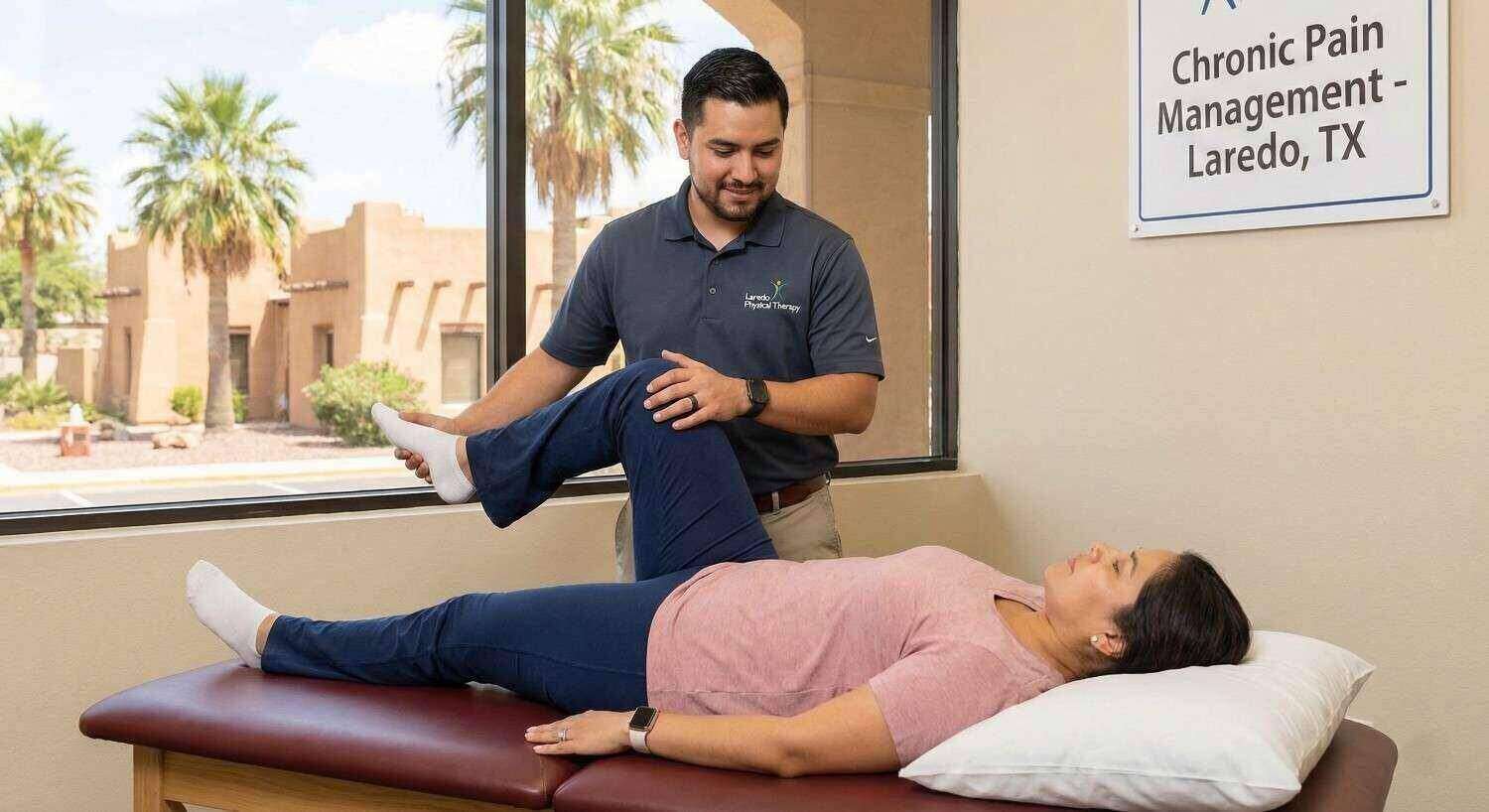
- Physical therapist working with chronic pain patient in Laredo clinic
- Back pain relief exercises demonstration
- Laredo physical therapy facility exterior with location markers