
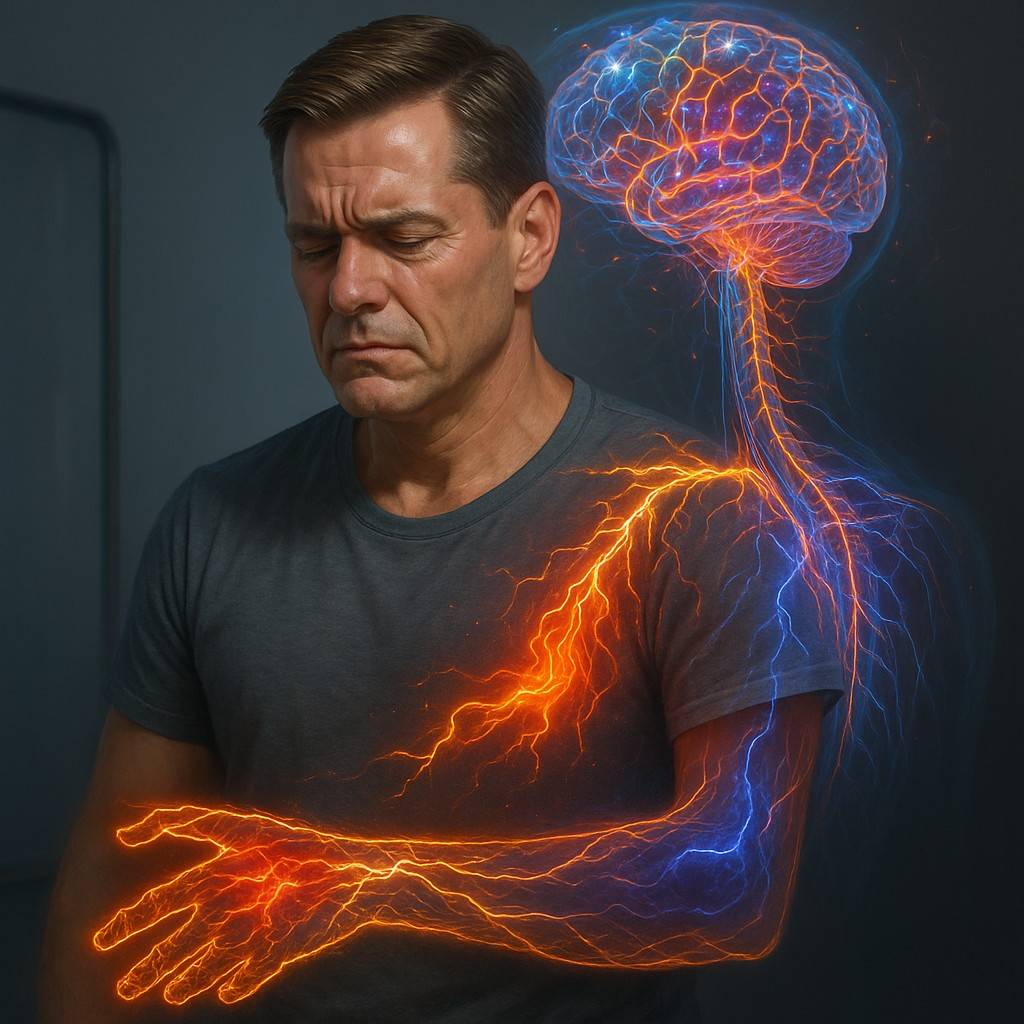
Phantom Limb Pain: Causes and Advanced Management Strategies
Phantom Limb Pain: Understanding and Managing This Complex Neurological Phenomenon
For amputees in Laredo and throughout South Texas, one of the most perplexing and distressing experiences can be feeling intense pain in a limb that is no longer there. This phenomenon, known as phantom limb pain (PLP), affects an estimated 60-80% of amputees and represents one of the most fascinating and challenging areas in pain medicine. At Pain Management Laredo, we work with numerous patients experiencing this condition, providing both education and advanced treatment approaches to help them regain quality of life.
What Exactly Is Phantom Limb Pain?
Phantom limb pain is defined as painful sensations perceived in the missing portion of an amputated limb. It's important to distinguish this from two related but different phenomena:
- Phantom limb sensation: Non-painful awareness or sensations (such as itching, pressure, or movement) in the missing limb, which nearly all amputees experience
- Residual limb pain (stump pain): Pain in the remaining portion of the limb, often related to surgical complications, neuromas, or prosthetic fit issues
For many of our Laredo patients, phantom limb pain can range from mild and occasional to severe and debilitating. The sensations are remarkably diverse, with patients describing:
- Burning or searing pain
- Electric shock-like sensations
- Crushing or squeezing feelings
- Cramping or twisting sensations
- Shooting, stabbing, or boring pains
Many patients also report that their phantom limb feels abnormally positioned or contorted, often frozen in the same painful position the limb was in during the traumatic event or prior to amputation.
The Prevalence and Impact in Laredo's Community
Within our Laredo community, we see phantom limb pain resulting from various causes of amputation, including:
- Diabetes-related complications (particularly common in our region, where diabetes rates are higher than the national average)
- Traumatic injuries (often work-related in industries like construction, manufacturing, and agriculture)
- Vascular disease
- Military combat injuries (given our proximity to military bases)
- Cancer
For these individuals, phantom limb pain can have profound effects on quality of life, including:
- Sleep disturbances
- Difficulty using prosthetics effectively
- Limitations in daily activities
- Challenges returning to work
- Depression and anxiety
- Social isolation
Our comprehensive approach at Pain Management Laredo aims to address all these dimensions, not just the pain itself.
The Fascinating Neuroscience Behind Phantom Limb Pain
Perhaps no pain condition better illustrates the complex relationship between the body and brain than phantom limb pain. Multiple mechanisms contribute to this fascinating phenomenon:
Peripheral Mechanisms
When a limb is amputated, the severed nerves in the residual limb often form neuromas - tangled growths of nerve tissue that generate abnormal, spontaneous pain signals. However, while these peripheral mechanisms contribute to stump pain, they don't fully explain why sensations are felt in the missing limb.
Spinal Cord Mechanisms
At the spinal level, several changes occur after amputation:
- Loss of inhibitory input: Normally, non-painful touch sensations help suppress pain signals (this is why rubbing a hurt area can help). With amputation, this inhibitory mechanism is lost.
- Neurochemical changes: The balance of excitatory and inhibitory neurotransmitters shifts, making pain transmission more likely.
- Sprouting of nerve fibers: Pain-transmitting nerve fibers may form new connections with neurons that normally receive touch or other sensory information.
For Laredo patients with diabetes-related amputations, these spinal mechanisms may be particularly relevant due to pre-existing neuropathic changes.
Cortical Reorganization
The most fascinating explanation for phantom limb pain involves changes in the brain itself. Our brain contains maps of our body in areas like the somatosensory cortex. Following amputation, dramatic reorganization occurs in these maps:
- The brain area that once represented the amputated limb doesn't simply "shut off"
- Instead, adjacent brain regions (representing other body parts) invade this territory
- This reorganization correlates strongly with phantom pain - the greater the reorganization, the more severe the pain
This explains why many Laredo patients report that touching their face or another body part can trigger sensations in their phantom limb - the brain regions representing these areas have essentially "taken over" the limb's former territory.
Pain Memory and Neuromatrix Theory
Many patients report that their phantom pain resembles pain they experienced in the limb before amputation. This suggests that the brain may store "pain memories" that continue to play out even after the limb is gone.
The neuromatrix theory proposes that our brain maintains a neural network that generates our experience of our body, including pain. This network continues to produce the experience of the limb and its sensations even after amputation.
For our Laredo patients who had painful conditions like diabetic neuropathy prior to amputation, these pain memories can be particularly problematic.
Risk Factors for Developing Phantom Limb Pain
Not everyone who undergoes amputation will experience significant phantom limb pain. Through our work with Laredo's amputee population, we've observed several factors that increase risk:
Pre-Amputation Pain
Individuals who experienced significant pain in the limb before amputation are more likely to develop phantom pain afterward. For many of our Laredo diabetic patients, this means years of painful neuropathy before amputation translates to an increased risk of phantom pain.
Psychological Factors
While phantom pain is unquestionably a physical phenomenon (not "all in your head"), psychological factors can influence its development and severity:
- Pre-existing depression or anxiety
- Catastrophizing about pain
- Post-traumatic stress, particularly in traumatic amputations
This is why our Laredo approach always includes psychological support alongside physical interventions.
Time Since Amputation
Contrary to the common belief that phantom pain improves with time, some studies show that pain can actually worsen or become more constant years after amputation. This highlights the importance of early, aggressive treatment for our Laredo patients.
Type of Amputation
Upper limb amputations tend to result in more phantom pain than lower limb amputations. Similarly, more proximal amputations (closer to the torso) often produce more significant phantom sensations.
Residual Limb Problems
Issues with the residual limb, such as poor healing, infection, or an ill-fitting prosthesis, can increase phantom pain. For our Laredo patients who may have limited access to specialized prosthetic care, we place extra emphasis on proper residual limb management.
Advanced Diagnostic Approaches at Pain Management Laredo
Diagnosing phantom limb pain requires a thorough approach to differentiate it from other post-amputation pain syndromes and identify contributing factors:
Comprehensive Pain Assessment
We conduct detailed evaluations of:
- Pain characteristics (quality, intensity, frequency, triggers)
- The exact location of phantom sensations
- Factors that worsen or improve the pain
- Pre-amputation pain history
- Psychological factors
For our Spanish-speaking patients in Laredo, we ensure that language barriers don't interfere with accurate pain assessment.
Residual Limb Examination
A thorough examination of the residual limb helps identify:
- Neuromas (which may require ultrasound for precise localization)
- Prosthetic fit issues
- Skin problems or infection
- Vascular complications
These issues require different treatment approaches than centrally-generated phantom pain.
Psychological Evaluation
Understanding the psychological impact of amputation and how it affects pain perception is crucial for comprehensive treatment. Our Laredo team includes specialists who understand the unique cultural and social factors affecting our local amputee population.
Functional Assessment
We evaluate how phantom pain impacts:
- Daily activities
- Sleep patterns
- Prosthesis use
- Work capacity
- Quality of life
This helps establish treatment goals that focus on function, not just pain reduction.
Comprehensive Treatment Approaches for Laredo Patients
Managing phantom limb pain requires a multidisciplinary approach. At Pain Management Laredo, we offer a comprehensive range of treatments tailored to each patient's specific needs:
Pharmacological Approaches
Several medication classes have shown efficacy for phantom pain:
- Anticonvulsants: Medications like gabapentin and pregabalin help stabilize abnormal nerve firing and are often first-line treatments
- Antidepressants: Particularly SNRIs (duloxetine, venlafaxine) and TCAs (amitriptyline) that boost pain-inhibiting neurotransmitters
- NMDA receptor antagonists: Ketamine and memantine may help reset sensitized pain pathways
- Calcitonin: This hormone has shown specific benefits for phantom pain in some studies
- Opioids: Used selectively and carefully monitored due to concerns about long-term efficacy and dependency
For our Laredo patients, we often need to consider medication affordability and insurance coverage when developing treatment plans.
Mirror Therapy
One of the most fascinating and effective treatments for phantom limb pain works by "tricking the brain" using visual feedback:
- A mirror is positioned so that the patient sees the reflection of their intact limb where the amputated limb would be
- As they move their intact limb, the brain perceives that the "phantom" limb is moving normally
- This visual feedback helps rewire the brain's body map and can reduce pain substantially
We provide mirror therapy equipment and training to our Laredo patients, allowing them to continue this effective therapy at home.
Virtual Reality Therapy
An advancement beyond mirror therapy, virtual reality systems allow patients to visualize and control a virtual representation of their missing limb:
- Sensors on the residual limb or other body parts detect muscle activity
- This activity controls a virtual limb in an immersive environment
- Patients can visualize their phantom limb moving freely, helping to reduce pain
At Pain Management Laredo, we're proud to offer this cutting-edge technology to our community, making advanced treatments accessible without the need to travel to larger urban centers.
Graded Motor Imagery
This structured program helps retrain the brain through a sequence of exercises:
- Left/right discrimination: Identifying whether images show left or right limbs
- Explicit motor imagery: Imagining moving the phantom limb in specific ways
- Mirror therapy: As described above
This approach is particularly helpful for Laredo patients whose phantom limbs feel frozen in painful positions.
Interventional Procedures
For patients who don't respond adequately to non-invasive approaches, we offer several interventional options:
- Peripheral nerve blocks: Temporary or longer-lasting blocks to interrupt pain signals
- Neuroma injections: Precise ultrasound-guided treatment of painful neuromas
- Spinal cord stimulation: Implanted devices that deliver mild electrical impulses to block pain signals
- Dorsal root ganglion stimulation: Targeted stimulation for specific nerve roots
- Intrathecal drug delivery: Implanted pumps that deliver pain medication directly to the spinal fluid
These advanced interventional options are now available locally in Laredo, eliminating the need for patients to travel to San Antonio or other distant medical centers.
Surgical Approaches
In select cases, surgical interventions may be considered:
- Targeted Muscle Reinnervation (TMR): Redirecting severed nerves to nearby muscles, reducing neuroma formation and phantom pain
- Revision amputation: When stump complications contribute significantly to phantom pain
- Neuroma excision: Surgical removal of painful neuromas
We collaborate closely with skilled surgeons in the Laredo area to determine when these approaches might be beneficial.
Psychological Interventions
The mind-body connection is particularly important in phantom pain management:
- Cognitive-behavioral therapy: Addressing pain catastrophizing and developing coping strategies
- Biofeedback and relaxation training: Learning to control physiological responses that can amplify pain
- Mindfulness meditation: Developing non-judgmental awareness of pain sensations
- Graded exposure therapy: Gradually confronting activities avoided due to pain
These approaches are delivered by bilingual therapists who understand the cultural context of our Laredo community.
Physical and Occupational Therapy
Specialized therapy approaches can significantly improve outcomes:
- Desensitization techniques for the residual limb
- Prosthetic training and adjustment
- Functional adaptation strategies
- Exercise programs to maintain strength and flexibility
We partner with experienced therapists in Laredo who specialize in amputee rehabilitation.
Complementary Approaches
Several complementary therapies show promise for phantom pain:
- Acupuncture: May help modulate pain signals and reduce perception
- Massage therapy: For residual limb tension and general relaxation
- TENS units: Electrical stimulation for home use
- Heat and cold therapy: For symptomatic relief
We help Laredo patients integrate these approaches into their comprehensive pain management plan.
Promising Research and Future Directions
The field of phantom limb pain treatment continues to evolve rapidly. Several exciting developments may soon benefit our Laredo patients:
Advanced Prosthetics
Newer prosthetic limbs with sensory feedback capabilities may help reduce phantom pain by providing more natural sensory input to the brain.
Brain Stimulation Techniques
Non-invasive brain stimulation methods like transcranial magnetic stimulation (TMS) and transcranial direct current stimulation (tDCS) show promise for modifying cortical reorganization.
Augmented Reality Systems
Beyond virtual reality, augmented reality systems that project a virtual limb into the patient's actual environment may provide even more effective visual feedback.
Targeted Drug Delivery
Advances in nanotechnology may soon allow for highly targeted delivery of medications to specific nerve pathways.
Genetic and Personalized Medicine
Research into genetic factors affecting phantom pain may eventually allow for more personalized treatment approaches based on individual risk profiles.
Success Stories from Laredo Patients
While each patient's journey is unique, these anonymized stories from our Laredo clinic illustrate what's possible with comprehensive treatment:
Miguel, a 58-year-old former construction worker who underwent below-knee amputation due to diabetic complications, experienced severe phantom pain that felt like his missing foot was being crushed. Through a combination of mirror therapy, medication adjustments, and psychological support, his pain decreased from 9/10 to a manageable 3/10. "I never thought I would find relief," he shares. "Being able to sleep through the night again has changed my life."
Lucia, a 42-year-old mother who lost her arm in an industrial accident, struggled with phantom pain that kept her from using her prosthesis effectively. A comprehensive approach including virtual reality therapy, spinal cord stimulation, and occupational therapy has allowed her to return to most daily activities. "The pain isn't completely gone," she explains, "but it no longer controls my life. I can be the mother my children need now."
Support Resources for Laredo Amputees
Beyond medical treatment, we connect our patients with valuable resources:
- Amputee support groups: Both in-person in Laredo and virtual connections
- Specialized prosthetic services: Local providers with expertise in modern prosthetic options
- Vocational rehabilitation: Services to help amputees return to work or develop new skills
- Financial assistance programs: Resources for medical expenses, prosthetics, and home modifications
- Adaptive sports and recreation: Opportunities to maintain an active lifestyle
Conclusion: A Message of Hope
For Laredo residents experiencing phantom limb pain, the most important message is one of hope. While this condition can be challenging and complex, effective treatment options exist and continue to improve. With a comprehensive, multidisciplinary approach, most patients can achieve significant pain reduction and improved quality of life.
At Pain Management Laredo, we combine cutting-edge treatments with compassionate care that understands the unique needs of our South Texas community. We're committed to making advanced phantom limb pain treatments accessible locally, eliminating the need for travel to distant medical centers.
If you or a loved one is experiencing phantom limb pain, contact our Laredo office to schedule a consultation. Our specialized team will work with you to develop a personalized treatment plan that addresses all aspects of your pain and helps you reclaim an active, fulfilling life.