
Nutrition and Supplementation Strategies for Inflammation Reduction
Nutrition and Supplementation Strategies for Inflammation Reduction in Pain Management
At Pain Management Laredo, we recognize that what you eat can significantly impact your pain levels. Chronic inflammation underlies many persistent pain conditions, and targeted nutritional approaches can be powerful tools in a comprehensive pain management strategy. This guide explores evidence-based dietary and supplementation approaches to reduce inflammation and help our Laredo patients experience less pain and better function.
Understanding the Inflammation-Pain Connection
Inflammation is your body's natural response to injury or infection, but when it becomes chronic, it can drive persistent pain through several mechanisms:
- Sensitization of Pain Receptors: Inflammatory chemicals directly activate and sensitize nociceptors (pain-sensing nerves)
- Tissue Damage: Ongoing inflammation can damage tissues, creating additional sources of pain
- Central Sensitization: Persistent inflammation can lead to changes in how the brain and spinal cord process pain signals
- Oxidative Stress: Inflammatory processes generate free radicals that damage cells and contribute to pain pathways
By targeting inflammation through nutritional strategies, we can address a root cause of pain rather than simply masking symptoms.
Anti-Inflammatory Dietary Approaches
The Mediterranean Diet: Gold Standard for Inflammation Reduction
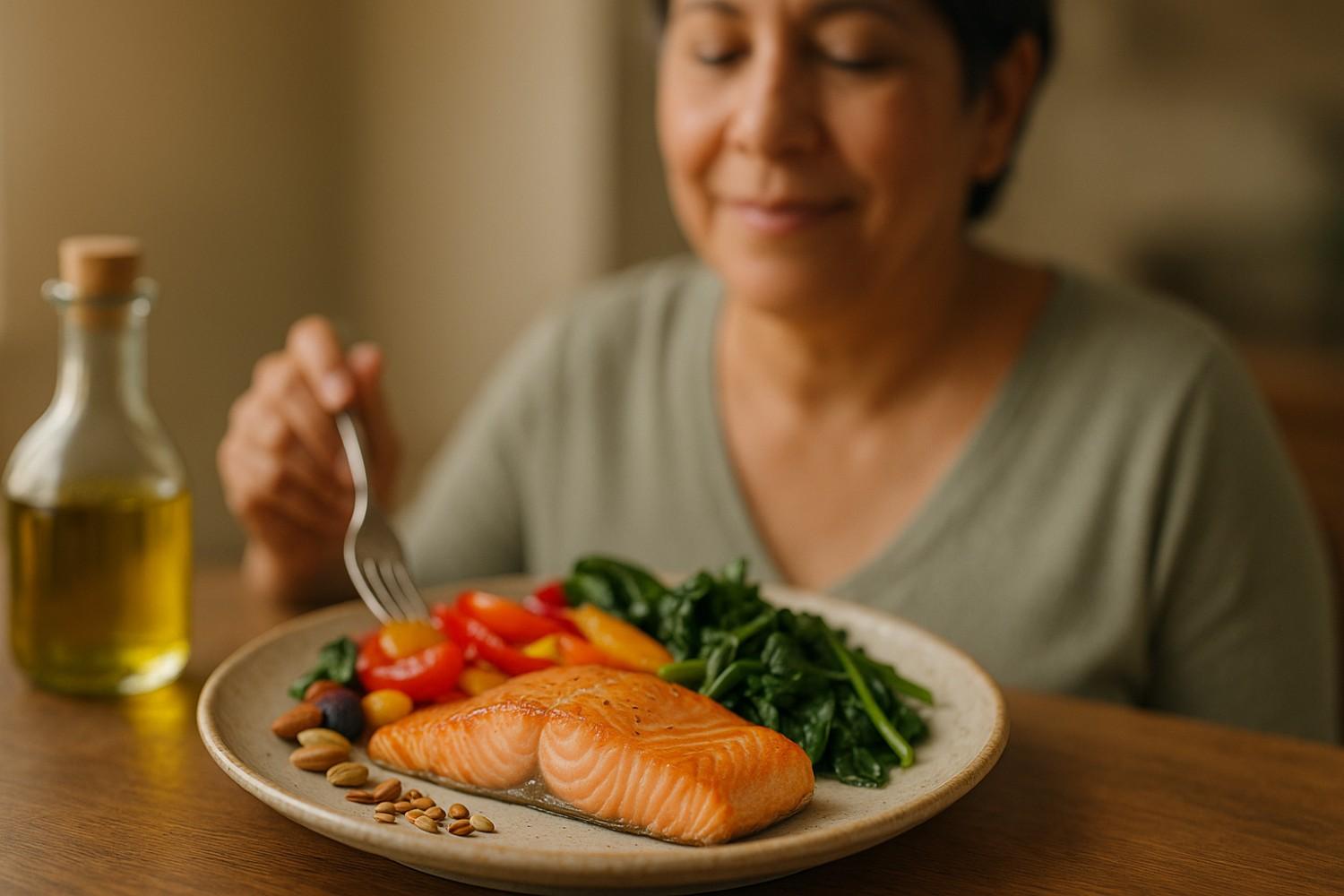
The Mediterranean diet consistently shows the strongest scientific evidence for reducing inflammatory markers and improving pain-related outcomes. This eating pattern emphasizes:
- Abundant Plant Foods: Vegetables, fruits, legumes, and whole grains form the foundation of meals
- Healthy Fats: Olive oil as the primary fat source, along with nuts, seeds, and avocados
- Moderate Fish Consumption: Regular intake of fatty fish rich in omega-3s
- Limited Red Meat: Small portions consumed occasionally rather than daily
- Minimal Processed Foods: Focus on whole, unprocessed ingredients
For our Laredo patients, we often highlight the similarities between Mediterranean and traditional Mexican cuisine (beans, vegetables, fish, olive oil), making this approach culturally appropriate and sustainable.
Key Anti-Inflammatory Foods
Research supports including these specific foods for their inflammation-fighting properties:
- Fatty Fish: Salmon, sardines, and mackerel contain omega-3 fatty acids that directly inhibit inflammatory pathways
- Colorful Fruits and Vegetables: Berries, cherries, leafy greens, and bell peppers provide antioxidants that neutralize inflammatory free radicals
- Extra Virgin Olive Oil: Contains oleocanthal, a natural compound with effects similar to ibuprofen
- Nuts and Seeds: Walnuts, flaxseeds, and chia seeds offer healthy fats and anti-inflammatory compounds
- Turmeric and Ginger: These spices contain potent anti-inflammatory compounds (curcumin and gingerols)
- Green Tea: Rich in polyphenols that reduce inflammatory markers
Foods to Limit or Avoid
Just as some foods fight inflammation, others can promote it:
- Refined Carbohydrates: White bread, pastries, and other foods made with white flour can spike blood sugar and trigger inflammatory responses
- Added Sugars: Found in sodas, desserts, and many processed foods, sugar drives inflammation through multiple mechanisms
- Processed Meats: Bacon, sausage, and deli meats contain compounds that can increase inflammatory markers
- Trans Fats: Still found in some processed foods, these artificial fats are highly inflammatory
- Excessive Alcohol: While moderate consumption (especially red wine) may be anti-inflammatory, excess alcohol promotes inflammation
Evidence-Based Supplements for Inflammation Reduction
Omega-3 Fatty Acids
The most well-researched anti-inflammatory supplements:
- Mechanism: Inhibit pro-inflammatory enzymes and produce specialized inflammation-resolving compounds
- Evidence: Multiple clinical trials show benefits for rheumatoid arthritis, back pain, and inflammatory bowel conditions
- Effective Dosage: Typically 2-3 grams combined EPA/DHA daily for therapeutic effects
- Precautions: May interact with blood thinners; high doses should be used under medical supervision
Turmeric/Curcumin
A powerful botanical anti-inflammatory:
- Mechanism: Inhibits multiple inflammatory enzymes and pathways, including NF-κB, a master regulator of inflammation
- Evidence: Clinical studies support benefits for osteoarthritis, rheumatoid arthritis, and post-exercise inflammation
- Effective Dosage: 500-1000mg of curcumin (the active component) with enhanced bioavailability
- Absorption Enhancers: Look for formulations with piperine (black pepper extract), phospholipids, or nanoparticle technology to overcome curcumin's naturally poor absorption
Vitamin D
Beyond bone health, vitamin D plays a crucial role in immune regulation and inflammation:
- Mechanism: Modulates immune cell function and reduces production of inflammatory cytokines
- Evidence: Deficiency is associated with increased inflammation and pain; supplementation shows benefits particularly for deficient individuals
- Assessment: Blood testing to determine baseline levels is recommended before supplementation
- Effective Dosage: Varies based on current levels, typically 1000-5000 IU daily for deficient individuals
Despite abundant sunshine in South Texas, we find vitamin D deficiency common among our Laredo patients due to indoor lifestyles and sunscreen use.
Specialized Botanical Anti-inflammatories
Several plant-based supplements show promising evidence:
- Boswellia: Resin from the frankincense tree that inhibits specific inflammatory enzymes; particularly effective for osteoarthritis and asthma
- Ginger: Contains multiple anti-inflammatory compounds; studies support benefits for osteoarthritis, muscle pain, and menstrual pain
- Devil's Claw: Traditional African herb with evidence for back pain and arthritis; contains iridoid glycosides with anti-inflammatory properties
- White Willow Bark: Natural source of salicin (related to aspirin) with pain-relieving and anti-inflammatory effects
Condition-Specific Nutritional Strategies
Osteoarthritis
Tailored approaches for joint pain and degeneration:
- Weight Management: Even modest weight loss significantly reduces inflammatory load and mechanical stress on joints
- Collagen Support: Foods rich in glycine, proline, and vitamin C support cartilage structure
- Antioxidant Focus: Colorful fruits and vegetables protect cartilage from oxidative damage
- Targeted Supplements: Glucosamine, chondroitin, MSM, and collagen peptides may support joint structure
Autoimmune-Related Pain
For conditions like rheumatoid arthritis, lupus, and psoriatic arthritis:
- Mediterranean Diet Emphasis: Strongest evidence base for reducing disease activity in rheumatoid arthritis
- Elimination Diet Consideration: Structured approach to identify potential trigger foods
- Nightshade Evaluation: Individual assessment of potential sensitivity to tomatoes, peppers, eggplant, and potatoes
- Omega-3 Therapy: Higher therapeutic doses may be beneficial
Neuropathic Pain
Nutritional approaches for nerve pain conditions:
- Blood Sugar Management: Critical for diabetic neuropathy and beneficial for other neuropathic conditions
- B-Vitamin Complex: Particularly B1, B6, and B12 which support nerve function and repair
- Alpha-Lipoic Acid: Powerful antioxidant with specific benefits for nerve protection
- Magnesium: Supports nerve function and may reduce hyperexcitability
Implementing an Anti-Inflammatory Diet in Laredo
Cultural Adaptation and Practical Strategies
Making anti-inflammatory eating sustainable in our community:
- Traditional Mexican Diet Modifications: Emphasizing the naturally anti-inflammatory aspects of authentic Mexican cuisine (beans, avocados, fresh salsas, fish, cilantro) while adapting potentially inflammatory components
- Gradual Implementation: Adding anti-inflammatory foods before focusing on eliminating problematic ones
- Strategic Substitutions: Simple swaps that maintain familiar flavors (olive oil for lard, whole grain for refined tortillas)
- Local Ingredient Utilization: Incorporating seasonally available South Texas produce
Supplement Selection and Safety
Guidance for effective and safe supplementation:
- Quality Assessment: How to identify reputable supplements with third-party testing
- Medication Interactions: Important considerations for common pain medications and anti-inflammatories
- Dosage Guidance: Appropriate starting doses and titration schedules
- Timing Optimization: When to take specific supplements for maximum effectiveness
Conclusion: Food as Medicine for Pain Management
The powerful connection between nutrition, inflammation, and pain offers Laredo residents an opportunity to take an active role in their pain management through everyday food choices. While nutrition alone rarely eliminates chronic pain completely, anti-inflammatory eating can significantly reduce pain intensity, improve function, and enhance quality of life.
At Pain Management Laredo, we integrate evidence-based nutritional strategies into comprehensive treatment plans, recognizing that the most effective pain management addresses all factors contributing to pain perpetuation. Whether you're dealing with arthritis, autoimmune conditions, neuropathy, or other inflammatory pain disorders, targeted dietary changes and appropriate supplements can complement your medical care and help you achieve better outcomes.
Remember that sustainable nutritional change happens gradually—small, consistent steps toward an anti-inflammatory eating pattern are more effective than dramatic short-term diets. With the right guidance, support, and personalized approach, food truly can become powerful medicine in your journey toward better pain control and enhanced wellbeing.
Contact Pain Management Laredo to learn more about how nutritional strategies might be incorporated into your individualized pain management plan.