
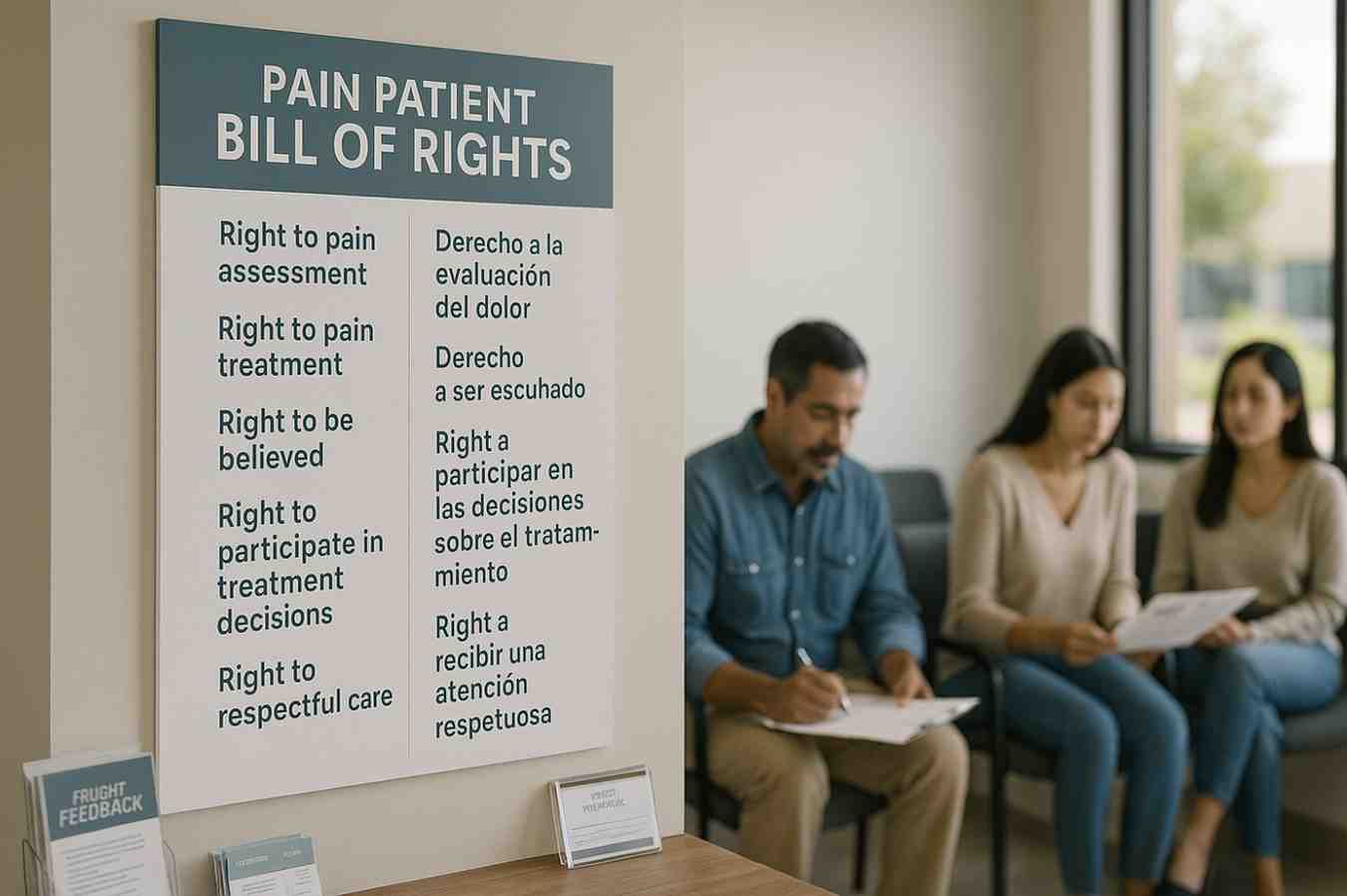
Laredo's Undocumented Population: Barriers to Pain Care Access
Understanding Healthcare Access Challenges in Laredo's Border Community
As a border community in South Texas, Laredo faces unique healthcare access challenges that affect a significant portion of its residents. For undocumented individuals living with chronic pain in Webb County, accessing appropriate medical care often involves navigating complex legal, financial, and social barriers that can leave them suffering without relief. This compassionate examination of healthcare access barriers facing Laredo's undocumented population aims to provide practical information about available resources while highlighting the systemic issues that prevent many residents throughout the Rio Grande Valley from receiving adequate pain management. Understanding these barriers is essential for healthcare providers, community advocates, and policy makers working to ensure all Laredo residents—regardless of immigration status—can access basic medical care for debilitating pain conditions.
The intersection of immigration status and healthcare access in Laredo creates particularly difficult situations for individuals living with chronic pain. Unlike acute medical emergencies that may receive treatment regardless of ability to pay or immigration status, chronic pain management typically requires ongoing care, regular provider relationships, prescription medications, and sometimes expensive interventional procedures—all of which present significant obstacles for undocumented residents in Webb County who lack health insurance and fear deportation consequences of seeking medical care.
Primary Barriers to Pain Care Access in Webb County
Financial Barriers and Lack of Insurance
The most immediate barrier facing undocumented residents seeking pain care in Laredo is financial. Without access to most insurance programs and typically working in lower-wage jobs throughout South Texas, the cost of medical care represents a prohibitive obstacle:
- Emergency Medicaid limitations: While emergency Medicaid covers acute, life-threatening conditions in Texas, it doesn't extend to ongoing chronic pain management for Webb County's undocumented residents
- Out-of-pocket costs: Without insurance, patients in Laredo face full cash prices for consultations, diagnostic tests, medications, and procedures that most insured patients never see
- Medication access: Many pain medications, particularly opioids and newer non-opioid alternatives, cost hundreds or thousands of dollars monthly without insurance coverage in South Texas
- Preventive care gap: Inability to afford regular medical care means conditions worsen before treatment is sought, leading to more complex and expensive pain problems in the Laredo community
Fear of Immigration Enforcement
Perhaps equally significant to financial barriers is the pervasive fear that prevents many undocumented residents in Webb County from seeking medical care even when resources might be available:
- Deportation concerns: Fear that seeking medical care in Laredo might expose immigration status and lead to detention or deportation keeps many suffering individuals away from clinics and hospitals
- Family separation anxiety: Concerns about being separated from U.S.-citizen children and other family members in South Texas if immigration status is discovered during medical treatment
- Documentation requirements: Many healthcare facilities in Webb County request identification and proof of address, which undocumented patients may be unable or unwilling to provide
- Misinformation and confusion: Uncertainty about which healthcare facilities are "safe" and which might report to immigration authorities creates paralysis among potential patients throughout Laredo
Systemic Healthcare Barriers Specific to South Texas Border Communities
Language and Cultural Barriers in Webb County
Laredo's predominantly Hispanic population includes many residents whose primary language is Spanish. Healthcare access barriers for pain patients in Webb County include:
- Limited bilingual providers: Many South Texas pain management specialists don't speak Spanish fluently, making it difficult for Laredo residents to communicate pain symptoms in Webb County
- Interpreter availability: Even when interpreters are available at Laredo healthcare facilities, they're often medical students or administrative staff without specialized training in pain management terminology used in Webb County
- Cultural health beliefs: Some Rio Grande Valley residents have traditional or cultural approaches to pain and healing that differ from Western medical models, creating misunderstandings with South Texas providers in Laredo and Webb County
- Family involvement expectations: Laredo's Hispanic community often values family involvement in medical decision-making, but many South Texas healthcare facilities limit family presence during appointments in Webb County
Transportation and Geographic Barriers
Laredo's border location and South Texas geography present additional obstacles for undocumented residents seeking pain care:
- Limited local specialization: Webb County has fewer pain management specialists than urban centers, forcing Laredo residents to travel far for specialized care
- Transportation costs: Undocumented residents without driver's licenses may struggle to access transportation to medical appointments in South Texas
- Time off work: Undocumented workers in South Texas often cannot afford time off for medical appointments, forcing them to choose between healthcare and income in Laredo and Webb County
- Childcare challenges: Managing childcare while attending medical appointments in Laredo is particularly difficult for undocumented families in Webb County lacking extended family support or affordable childcare services
Available Healthcare Resources for Undocumented Laredo Residents
Federally Qualified Health Centers in Webb County
Despite barriers, federal law requires certain healthcare facilities in Laredo and Webb County to serve all patients regardless of insurance status or ability to pay:
- Community health centers: These federally funded facilities in Laredo and Webb County must provide primary care to all residents, including pain assessment and basic pain management
- Sliding scale fees: Most Laredo and Webb County community health centers charge fees based on ability to pay, making care more affordable for undocumented patients in South Texas
- Bilingual staff: Community health centers in the Rio Grande Valley are more likely than private practices to employ bilingual staff and interpreters for Laredo and Webb County patients
- Cultural competency: Health centers serving Laredo's diverse South Texas population typically have training in culturally sensitive care for Webb County residents
- Privacy protections: Community health centers in Laredo and Webb County are explicitly prohibited from reporting immigration status to authorities, protecting undocumented patients in South Texas
Free Clinics and Safety-Net Providers in South Texas
Several free or low-cost pain care options exist for undocumented residents in the Rio Grande Valley:
- Free clinics: Community organizations in Laredo and Webb County operate free clinics providing basic pain assessment and medication distribution
- Hospital emergency departments: Emergency Medicaid covers emergency pain conditions for undocumented patients in Laredo and Webb County seeking emergency care in South Texas
- Charitable care programs: Some hospitals in South Texas have charity care programs for uninsured or underinsured patients, including undocumented residents in Webb County and Laredo
- Pharmaceutical assistance programs: Many medication manufacturers offer free or discounted medications for undocumented patients in Laredo and Webb County unable to afford prescriptions in South Texas
Practical Navigation Strategies for Undocumented Laredo Patients
Accessing Pain Care Safely in Webb County
Undocumented residents in Laredo and Webb County can take several steps to access pain care while minimizing immigration-related risks:
- Seek community health centers: Prioritize federally qualified health centers in Laredo and Webb County over private practices, as they have strong legal protections against immigration reporting in South Texas
- Verify confidentiality: Before seeking care, ask the healthcare facility directly: "Will this information be shared with immigration authorities?" Most will assure confidentiality in writing
- Use interpreters: Always use professional interpreters when available rather than family members, to ensure accurate pain communication and maintain privacy in Laredo and Webb County
- Bring support: Attend appointments with trusted family members or community advocates who can help navigate healthcare systems in South Texas
- Document care: Keep copies of medical records from Laredo and Webb County providers for continuity if you need to access care from different providers in South Texas
- Connect with community organizations: Patient advocacy and community organizations in the Rio Grande Valley often provide navigation assistance and support to undocumented patients in Laredo and Webb County
Understanding Your Medical Rights in Laredo
Undocumented residents in Webb County have specific legal protections for healthcare access in South Texas:
- Emergency Medicaid: Texas provides emergency Medicaid to undocumented immigrants in Laredo and Webb County for medical emergencies, including severe pain requiring immediate treatment
- EMTALA protection: Federal law requires emergency departments in Laredo and South Texas hospitals to treat emergency conditions regardless of immigration status or ability to pay
- Non-reporting requirements: Healthcare providers in Laredo and Webb County are not required to report immigration status to authorities; many states explicitly prohibit such reporting
- Community health center protections: Federally qualified health centers in Webb County cannot disqualify patients based on immigration status in South Texas
Challenges Within the Healthcare System for Webb County Patients
Provider Bias and Discrimination in Laredo
Unfortunately, undocumented patients in Laredo and Webb County sometimes face discrimination from healthcare providers in South Texas:
- Dismissal of pain concerns: Some providers in Laredo minimize pain complaints from undocumented patients or attribute pain to psychological rather than medical causes
- Reduced diagnostic workup: Providers in Webb County may order fewer diagnostic tests for undocumented patients in South Texas compared to insured patients
- Medication reluctance: Some healthcare providers in Laredo and Webb County are reluctant to prescribe appropriate pain medications to undocumented patients due to unfounded concerns about misuse
- Rushed appointments: Undocumented patients in South Texas report receiving shorter appointment times in Laredo and Webb County compared to insured patients
Addressing Discrimination and Advocating for Care
If undocumented residents in Laredo and Webb County experience discrimination while seeking pain care in South Texas:
- Document incidents: Record details of discriminatory interactions including dates, providers' names, and what was said in Laredo and Webb County
- Request formal complaints: File complaints with the healthcare facility's patient advocate or compliance office in South Texas
- Seek alternative providers: Community health centers and patient advocacy organizations in Laredo and Webb County can often connect undocumented patients to more respectful providers
- Contact advocacy organizations: Patient rights organizations and immigrant advocacy groups in South Texas can support undocumented residents facing discrimination in Webb County and Laredo
Community Resources and Support Networks
Organizations Supporting Undocumented Patients in Webb County
Several organizations in the Rio Grande Valley work specifically to support undocumented residents' healthcare access:
- Immigrant advocacy groups: Organizations in Laredo and Webb County provide navigation assistance, legal support, and advocacy for undocumented patients in South Texas
- Community health worker programs: Promotoras de salud (community health workers) in the Rio Grande Valley often speak Spanish, understand local culture, and can help Laredo and Webb County undocumented residents navigate healthcare in South Texas
- Churches and faith communities: Religious organizations in Laredo and Webb County often provide healthcare navigation, medication assistance, and peer support for undocumented patients
- Pain support groups: Some Laredo and Webb County pain support groups specifically include undocumented members and provide translation services in South Texas
Systemic Change and Policy Advocacy
Working Toward Better Pain Care Access in Laredo
Addressing healthcare barriers for undocumented residents in Webb County requires systemic change. Advocates in Laredo and South Texas are working toward:
- Expanded Medicaid coverage: State-level advocacy for Medicaid programs covering undocumented immigrants in Laredo and Webb County, which some states have implemented
- Funding for community health centers: Increased federal and state funding for federally qualified health centers in South Texas serving uninsured and undocumented patients in Webb County and Laredo
- Provider training: Mandatory cultural competency and implicit bias training for healthcare providers in Laredo and Webb County working with South Texas communities
- Legal protections: State laws explicitly protecting undocumented patients' privacy and prohibiting immigration reporting by healthcare facilities in South Texas
Conclusion: Pain Care as a Human Right for All Laredo Residents
Undocumented residents living with chronic pain in Laredo and Webb County face profound barriers to appropriate healthcare, yet mechanisms exist for accessing pain management in South Texas. While systemic change is urgently needed to ensure equitable pain care for all residents regardless of immigration status, understanding available resources and exercising legal protections can help undocumented patients in Webb County and Laredo access necessary pain treatment. Community health centers, federally funded programs, and advocacy organizations in South Texas stand ready to support undocumented residents seeking pain care in Laredo and Webb County.
For undocumented individuals suffering with chronic pain in the Rio Grande Valley, seeking care is an act of courage and self-compassion. You deserve adequate pain management regardless of immigration status. Your pain matters, and South Texas communities and healthcare providers committed to health equity stand ready to help you access the care you deserve in Laredo and Webb County.