
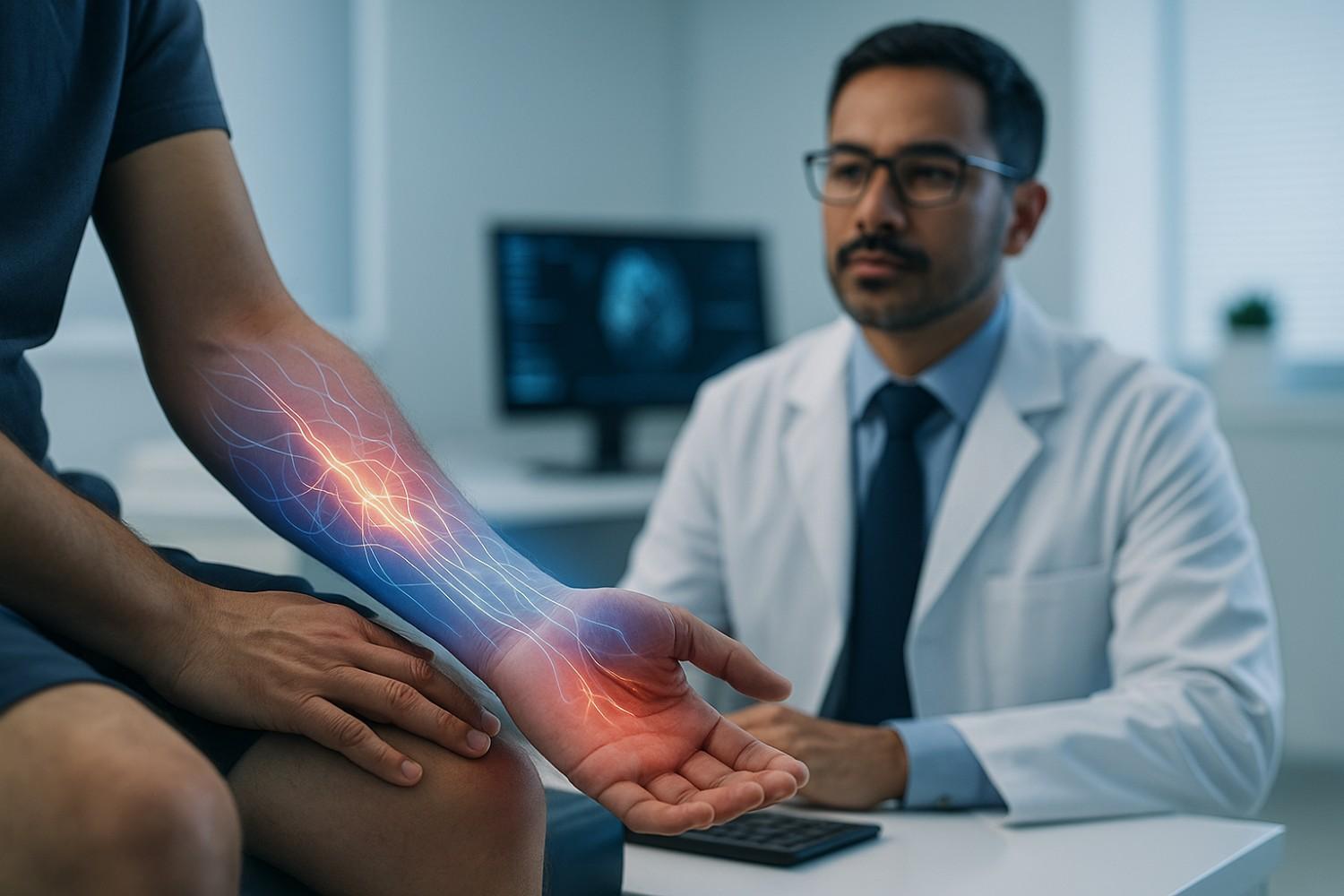
CRPS (Complex Regional Pain Syndrome): Diagnosis and Multimodal Care
Complex Regional Pain Syndrome (CRPS): A Comprehensive Guide to Understanding and Managing This Challenging Condition
Complex Regional Pain Syndrome (CRPS) is one of the most perplexing and challenging chronic pain conditions treated at Pain Management Laredo. This rare but devastating disorder represents a complex interplay of neurological, inflammatory, and psychological factors that can dramatically impact a patient's quality of life.
What is Complex Regional Pain Syndrome?
CRPS is a chronic pain condition characterized by extreme pain and sensitivity that is typically disproportionate to the initial injury or trigger. There are two primary types:
- CRPS Type I (Reflex Sympathetic Dystrophy): Occurs without a known nerve injury. This form accounts for approximately 90% of CRPS cases and typically develops after tissue injury such as fractures, sprains, or surgery where no direct nerve damage has been identified.
- CRPS Type II (Causalgia): Develops after a documented nerve injury. This less common form follows a specific nerve injury and often presents with more pronounced neurological symptoms.
The pain associated with CRPS is often described as burning, stabbing, or throbbing, and is typically accompanied by other abnormalities in the affected region, including changes in skin color, temperature, swelling, and altered hair or nail growth.
Epidemiology and Risk Factors
At Pain Management Laredo, we've observed that CRPS can affect anyone, but certain groups are at higher risk:
- Age: Most common between 40-60 years old, though it can occur at any age, including in children and adolescents. We've successfully treated patients across the lifespan in our Laredo clinic.
- Gender: Women are more frequently affected, with a 3:1 ratio compared to men. This gender disparity suggests possible hormonal or immunological factors that may influence susceptibility.
- Trigger Events:
- Fractures: Particularly distal radius (wrist) fractures, which account for nearly 30% of CRPS cases in some studies.
- Surgeries: Especially orthopedic procedures involving the extremities.
- Soft tissue injuries: Including sprains and strains.
- Minor traumas: Even seemingly insignificant injuries can trigger CRPS in susceptible individuals.
- Stroke or heart attack: Central nervous system events can sometimes lead to CRPS development.
Interestingly, the severity of the initial injury does not predict the likelihood of developing CRPS, suggesting that individual physiological factors play a significant role in its development.
Neurobiological Mechanisms of CRPS
The pathophysiology of CRPS is complex and not fully understood, but several key mechanisms have been identified through advanced research:
Neuroinflammatory Processes
- Inflammatory Cascade: Persistent inflammation in the affected region contributes to ongoing pain and tissue changes. Research has identified elevated levels of pro-inflammatory cytokines such as tumor necrosis factor-alpha (TNF-α) and interleukin-6 (IL-6) in affected tissues.
- Neurogenic Inflammation: Abnormal release of pro-inflammatory neuropeptides, including substance P and calcitonin gene-related peptide (CGRP), leads to vasodilation, plasma extravasation, and hypersensitivity. This neurogenic inflammation perpetuates pain and contributes to the visible changes in affected tissues.
- Autonomic Nervous System Dysfunction: Disrupted sympathetic nervous system signaling causes abnormal blood flow, sweating, and temperature regulation in the affected limb. This dysregulation helps explain the characteristic color and temperature changes seen in CRPS.
Neuroplastic Changes
- Central Sensitization: Brain and spinal cord become hypersensitive to pain signals, amplifying both painful and non-painful stimuli. Functional MRI studies show altered activation patterns in pain processing regions of the brain in CRPS patients.
- Cortical Reorganization: Changes in brain mapping of the affected body part contribute to altered sensation and movement. The area of the sensory cortex representing the affected limb often shrinks, while adjacent areas expand, disrupting normal sensory processing.
- Altered Pain Processing: Reduced pain threshold and increased pain perception due to changes in the central nervous system's pain modulation pathways. Both ascending (pain-transmitting) and descending (pain-inhibiting) pathways show dysfunction in CRPS.
Clinical Presentation and Progression
CRPS typically presents with a constellation of symptoms that evolve over time. Understanding this progression is crucial for early diagnosis and intervention:
Acute Phase (0-3 months)
- Severe, burning pain in the affected region
- Marked edema and swelling
- Warm, red skin with increased sweating
- Reduced range of motion
- Hypersensitivity to touch (allodynia)
Dystrophic Phase (3-6 months)
- Persistent pain that may spread beyond the initial area
- Skin becoming cool and cyanotic (bluish)
- Increased stiffness and decreased range of motion
- Hair and nail changes (increased or decreased growth)
- Muscle atrophy beginning to develop
Atrophic Phase (6+ months)
- Pain may become more diffuse
- Significant muscle atrophy
- Joint contractures
- Pale, shiny skin with reduced elasticity
- Osteoporosis in the affected limb
- Permanent functional limitations
At Pain Management Laredo, we emphasize that early intervention during the acute phase significantly improves outcomes and can prevent progression to later stages.
Diagnostic Challenges
Diagnosing CRPS is complex due to the absence of a definitive diagnostic test. At Pain Management Laredo, our specialists follow the Budapest Criteria, which has significantly improved diagnostic accuracy:
Clinical Signs and Symptoms
- Sensory Changes
- Hyperalgesia (increased pain sensitivity): Patients experience disproportionate pain to mildly painful stimuli
- Allodynia (pain from non-painful stimuli): Even light touch, clothing, or breeze can trigger severe pain
- Vasomotor Abnormalities
- Temperature differences: Affected limb may be warmer or cooler than the unaffected side
- Skin color changes: Ranging from red to blue or pale, often in a patchy distribution
- Sweating irregularities: Increased or decreased sweating in the affected area
- Sudomotor/Edema Changes
- Abnormal sweating: Hyperhidrosis (excessive sweating) or hypohidrosis (reduced sweating)
- Swelling in the affected area: Often persistent and poorly responsive to elevation
- Motor/Trophic Changes
- Decreased range of motion: Limited mobility due to pain, edema, and eventually contractures
- Muscle weakness: Progressive weakness beyond what would be expected from disuse
- Skin and nail changes: Alterations in skin texture, hair growth, and nail appearance
Diagnostic Workup
At Pain Management Laredo, our comprehensive diagnostic approach includes:
- Detailed Medical History: Identifying potential triggering events and the pattern of symptom development
- Physical Examination: Assessing for the characteristic signs outlined in the Budapest Criteria
- Comparative Testing: Quantitative sensory testing, comparing affected and unaffected limbs
- Thermography: Visualizing temperature differences between limbs
- Bone Scan: Can show increased uptake in the affected limb in early CRPS
- Sympathetic Nerve Blocks: Diagnostic blocks that can help confirm sympathetically maintained pain
- Exclusion of Other Conditions: Ruling out other pathologies that can mimic CRPS
Comprehensive Treatment Approaches
Our multimodal treatment strategy at Pain Management Laredo includes:
1. Pharmacological Interventions
Medications:
- Neuropathic pain medications: Gabapentin, pregabalin, and duloxetine target aberrant neural signaling
- Low-dose antidepressants: Amitriptyline and other TCAs modulate pain transmission
- Anticonvulsants: Help stabilize hyperexcitable nerve membranes
- Topical treatments: Lidocaine patches, capsaicin, and compounded creams for localized relief
- Corticosteroids for inflammation: Short courses may be beneficial in early CRPS to address inflammatory components
- Bisphosphonates: May help with bone pain and prevent osteoporosis, particularly in early stages
- Vitamin C: Evidence suggests high-dose vitamin C may help prevent CRPS after fractures and surgery
2. Interventional Procedures
- Nerve Blocks: Targeted injections to interrupt pain signals. We offer various types:
- Sympathetic blocks (stellate ganglion and lumbar sympathetic)
- Brachial plexus blocks
- Peripheral nerve blocks
- Spinal Cord Stimulation: Implanted devices that deliver mild electrical pulses to interrupt pain signals. Recent advances in stimulation parameters have significantly improved outcomes for CRPS patients, with success rates approaching 70-80% in carefully selected candidates.
- Sympathetic Nerve Blocks: Temporarily blocking the sympathetic nervous system to break the pain cycle. These can be both diagnostic and therapeutic, often providing prolonged relief when delivered in a series.
- Ketamine Infusions: Low-dose ketamine therapy for refractory cases. This approach targets the NMDA receptor, which plays a crucial role in central sensitization. Our protocol involves carefully monitored infusions in a controlled setting.
- Intrathecal Drug Delivery: Implanted pumps delivering pain medication directly to the spinal fluid for severe, resistant cases
3. Physical Rehabilitation
- Gentle Movement Therapy: Carefully graded exercise programs to maintain and restore function without exacerbating pain
- Desensitization Techniques: Systematic exposure to different textures and sensations to reduce hypersensitivity. This progressive approach begins with very mild stimuli (like soft cotton) and gradually advances to more challenging textures.
- Mirror Therapy: Using visual feedback to retrain the brain's perception of the affected limb. This technique helps correct the cortical reorganization seen in CRPS by watching the reflection of the unaffected limb performing movements in a mirror positioned to appear as if it's the affected limb.
- Graded Motor Imagery: A three-stage process involving:
- Laterality recognition (identifying left vs. right limbs in photos)
- Imagined movements (mentally visualizing movements without actually performing them)
- Mirror therapy as described above
- Occupational Therapy: Functional adaptations and strategies to maintain independence in daily activities
4. Psychological Support
- Cognitive Behavioral Therapy: Addressing pain catastrophizing and developing effective coping strategies
- Pain Coping Skills Training: Structured programs teaching specific techniques to manage pain flares and daily symptoms
- Stress Management: Techniques to reduce the impact of stress on pain perception, including diaphragmatic breathing, progressive muscle relaxation, and guided imagery
- Biofeedback: Using real-time physiological data to learn control over autonomic functions
5. Complementary Approaches
- Acupuncture: Traditional Chinese medicine approach that may help modulate pain signals
- Massage Therapy: Gentle techniques to improve circulation and reduce muscle guarding
- Mindfulness Meditation: Practices that focus on present-moment awareness to reduce pain catastrophizing
- Nutritional Counseling: Anti-inflammatory dietary approaches to support overall healing
Prevention and Early Intervention
Early recognition and treatment are crucial in managing CRPS:
- Prompt Medical Evaluation: Seeking assessment for pain that seems disproportionate to injury
- Immediate Pain Management: Controlling acute pain effectively after injuries or surgery
- Early Physical Therapy: Maintaining movement and function from the beginning
- Psychological Support: Addressing the emotional impact of pain early in the process
- Preventive Medications: Vitamin C (500-1000mg daily) for 45-50 days after wrist fractures and surgery has shown promise in reducing CRPS risk
Living with CRPS in Laredo
Our team provides comprehensive support to help patients:
- Develop personalized pain management strategies that incorporate medical treatments with self-management techniques
- Build resilience and coping mechanisms through peer support and psychological resources
- Maintain social and professional functionality through adaptive equipment and workplace accommodations
- Access community support resources, including our CRPS support group that meets monthly in Laredo
Patient Success Stories
At Pain Management Laredo, we've helped numerous patients reclaim their lives from CRPS:
- Maria's Journey: A 42-year-old teacher who developed CRPS after wrist surgery achieved 70% pain reduction through a combination of sympathetic blocks, physical therapy, and spinal cord stimulation. She has returned to teaching part-time.
- Robert's Recovery: A 57-year-old construction worker with lower extremity CRPS following a crush injury responded exceptionally well to our comprehensive program, including ketamine infusions. He now manages his condition with minimal medication and regular physical therapy.
Emerging Research and Future Directions
Promising areas of CRPS research include:
- Genetic Markers: Identifying genetic factors that predispose individuals to CRPS
- Advanced Neuroimaging: Better understanding brain changes to develop targeted treatments
- Immunomodulatory Treatments: Targeting the immune system's role in CRPS
- Precision Medicine Approaches: Tailoring treatments based on individual patient characteristics
- Neuromodulation Advances: Newer spinal cord stimulation paradigms and dorsal root ganglion stimulation
Conclusion
CRPS is a complex condition that requires a holistic, patient-centered approach. At Pain Management Laredo, we are committed to providing cutting-edge, compassionate care for patients struggling with this challenging syndrome.
If you or a loved one are experiencing symptoms of CRPS, don't suffer in silence. Contact our Laredo pain specialists for a comprehensive evaluation and personalized treatment plan. Together, we can develop strategies to manage pain, improve function, and enhance quality of life.
Remember that while CRPS is challenging, early intervention and comprehensive care can significantly improve outcomes. Our multidisciplinary team is here to support you through every step of your healing journey.