
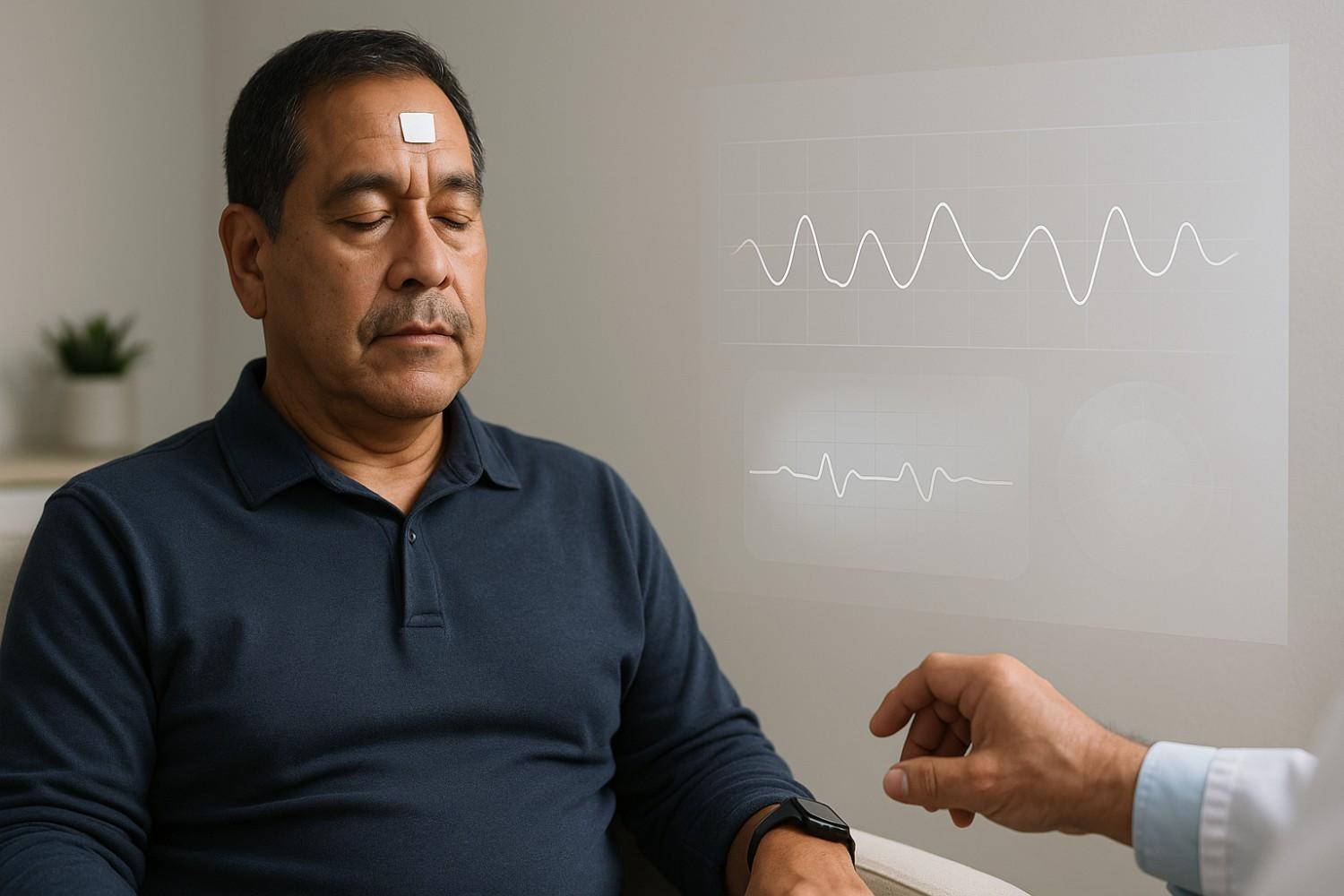
Biofeedback and Neurofeedback: Training Your Brain for Pain Relief
Biofeedback and Neurofeedback: Training Your Brain for Pain Relief in Laredo
At Pain Management Laredo, we recognize that effective pain management often requires approaches that go beyond medications and traditional interventions. Biofeedback and neurofeedback represent sophisticated, evidence-based technologies that enable patients to gain conscious control over physiological processes previously thought to be automatic, offering powerful tools for pain relief and management.
Understanding Biofeedback and Neurofeedback: The Science Behind Brain Training
Biofeedback and neurofeedback are technology-assisted therapeutic approaches that provide real-time information about physiological functions, allowing individuals to learn to modify these processes through operant conditioning and practice. These modalities are based on solid neurophysiological principles that are particularly relevant to pain management.
The Neurophysiology of Pain and Self-Regulation
Pain involves complex interactions between the peripheral and central nervous systems, with multiple physiological processes contributing to pain perception and maintenance:
- Autonomic Nervous System Activation: Chronic pain often involves a persistent state of sympathetic ("fight-or-flight") arousal, which can increase muscle tension, alter blood flow, and sensitize pain pathways.
- Cortical Dysregulation: Pain conditions frequently show altered patterns of brain activity, particularly in regions involved in pain processing and emotional regulation.
- Neuroplasticity: The brain's ability to reorganize itself forms both the basis for chronic pain development and, importantly, the foundation for therapeutic intervention through biofeedback and neurofeedback.
- Pain-Tension Cycle: Muscle tension can exacerbate pain, which increases stress, leading to more tension—a cycle that biofeedback can effectively interrupt.
For our Laredo patients, understanding these neurophysiological aspects helps explain why gaining control over seemingly automatic functions can significantly impact their pain experience.
Different Types of Biofeedback for Pain Management
Several biofeedback modalities are particularly effective for pain conditions:
- Surface Electromyography (sEMG): Measures muscle tension using sensors placed on the skin over specific muscle groups. This is especially useful for pain conditions involving muscle tension, such as tension headaches, temporomandibular disorders, and certain types of back and neck pain common among Laredo residents.
- Temperature Biofeedback: Monitors skin temperature, which reflects blood flow controlled by the autonomic nervous system. This approach is valuable for conditions like migraine, Raynaud's phenomenon, and complex regional pain syndrome.
- Heart Rate Variability (HRV) Biofeedback: Provides feedback on the variation in time between heartbeats, which reflects autonomic nervous system balance. HRV biofeedback can help with stress-related pain and has broader applications for conditions exacerbated by stress and autonomic dysregulation.
- Respiration Biofeedback: Monitors breathing patterns, helping patients develop slower, more regular breathing that can reduce sympathetic arousal and muscle tension, benefiting many pain conditions.
- Galvanic Skin Response (GSR): Measures subtle changes in skin conductance related to stress and emotional arousal, helping patients learn to modulate their stress response to pain.
Neurofeedback: Direct Training for the Brain
While biofeedback targets physiological processes like muscle tension and heart rate, neurofeedback works directly with brain activity:
- Electroencephalography (EEG) Neurofeedback: Uses sensors placed on the scalp to measure brain waves, providing real-time feedback on cortical activity. Different pain conditions are associated with specific dysregulations in brain wave patterns that can be targeted through neurofeedback training.
- Low-Resolution Electromagnetic Tomography (LORETA) Neurofeedback: An advanced form that allows targeting of deeper brain structures involved in pain processing.
- Hemoencephalography (HEG) Neurofeedback: Monitors blood flow in specific regions of the brain, particularly the prefrontal cortex, which is involved in pain perception and regulation.
- Functional Magnetic Resonance Imaging (fMRI) Neurofeedback: Though primarily used in research settings, this cutting-edge approach allows precise targeting of specific brain regions involved in pain processing.
For many of our Laredo patients with complex or treatment-resistant pain conditions, these neurofeedback approaches offer new possibilities for relief where other methods have fallen short.
The Biofeedback and Neurofeedback Treatment Process at Pain Management Laredo
When you come to Pain Management Laredo for biofeedback or neurofeedback therapy, you can expect a structured process designed to maximize your chances of success:
Comprehensive Assessment
Before beginning biofeedback or neurofeedback training, we conduct a thorough evaluation:
- Detailed Pain History: Understanding the nature, pattern, and triggers of your pain condition.
- Physiological Assessment: Measuring baseline physiological parameters relevant to your specific pain condition, such as muscle tension patterns, breathing habits, heart rate variability, or brain wave activity.
- Psychological Factors: Evaluating aspects like stress levels, anxiety, depression, and pain catastrophizing that may influence both your pain experience and your response to biofeedback.
- Functional Impact: Assessing how pain affects your daily activities, work, relationships, and quality of life.
- Treatment Goals: Collaboratively establishing clear, measurable goals for your biofeedback or neurofeedback training.
This comprehensive assessment allows our Laredo specialists to develop a personalized biofeedback protocol that addresses your specific physiological patterns and pain condition.
Education and Preparation
Before active training begins, we ensure you understand the process:
- Explanation of Pain Mechanisms: Helping you understand how your specific pain condition relates to the physiological processes being targeted.
- Biofeedback/Neurofeedback Education: Clear explanation of how the technology works, what you'll be seeing or hearing during sessions, and how the feedback relates to your physiology.
- Setting Realistic Expectations: Discussing likely timeframes for improvement, the need for regular practice, and the role of biofeedback as part of a comprehensive pain management approach.
- Addressing Questions and Concerns: Ensuring you feel comfortable and confident with the process before beginning active training.
Active Training Sessions
Biofeedback and neurofeedback training at Pain Management Laredo typically involves:
- Initial Sensor Placement: Depending on the modality, sensors are placed on specific muscles, fingers (for temperature or GSR), chest (for respiration and HRV), or the scalp (for neurofeedback).
- Baseline Measurement: Recording your typical physiological patterns before attempting any control.
- Feedback Presentation: Real-time information about the targeted physiological process is presented through visual displays, sounds, or even games that respond to changes in your physiology.
- Guided Practice: Your biofeedback specialist provides coaching on specific strategies to influence the targeted parameters, such as breathing techniques, attention focus, mental imagery, or muscle relaxation methods.
- Progressive Challenges: As you gain basic control, the training gradually becomes more challenging, helping you develop more refined self-regulation skills.
- Integration with Pain Management: Training specifically in applying these self-regulation skills during pain flares or in situations that typically exacerbate your pain.
Most Laredo patients attend weekly or bi-weekly sessions for 8-20 weeks, depending on their specific condition and progress, with sessions typically lasting 30-60 minutes.
Home Practice and Skill Transfer
The effectiveness of biofeedback and neurofeedback depends on regular practice and skill transfer:
- Home Practice Assignments: Specific exercises to perform between sessions, initially with simple feedback devices or mobile applications if appropriate, and eventually without equipment.
- Self-Monitoring Logs: Tracking your practice, physiological awareness, and pain levels to identify patterns and progress.
- Real-World Application: Gradually applying self-regulation skills in increasingly challenging real-life situations, from controlled environments to more stressful settings.
- Integration with Other Techniques: Combining biofeedback skills with other pain management strategies like cognitive-behavioral techniques, mindfulness, or physical therapy exercises.
This structured practice ensures that the skills learned during biofeedback sessions become automatic and available when you need them most in your daily life in Laredo.
Progress Monitoring and Protocol Adjustments
Throughout the course of treatment, we continuously evaluate your response:
- Regular Physiological Reassessment: Measuring changes in your baseline physiological parameters and your ability to control them.
- Pain and Function Tracking: Monitoring changes in pain intensity, frequency, duration, and functional impacts.
- Protocol Refinement: Adjusting training parameters, feedback thresholds, and strategies based on your progress and response.
- Addressing Challenges: Identifying and troubleshooting any difficulties with learning or applying self-regulation skills.
This adaptive approach ensures that your biofeedback or neurofeedback training at Pain Management Laredo remains optimally effective throughout the treatment process.
Biofeedback Applications for Specific Pain Conditions in Laredo
Different pain conditions respond to specific biofeedback approaches. Here's how we tailor biofeedback for common pain conditions seen at our Laredo clinic:
Headache Disorders
Biofeedback shows particularly strong evidence for headache management:
- Tension Headaches: sEMG biofeedback targeting the frontalis, temporalis, and trapezius muscles teaches patients to recognize and reduce excess tension, often combined with thermal biofeedback to promote peripheral vasodilation.
- Migraines: Temperature biofeedback focusing on hand warming (indicating sympathetic relaxation) has decades of research support. Some protocols also include temporal artery cooling through directed attention techniques.
- Cervicogenic Headaches: sEMG biofeedback targeting neck muscles, especially deep flexors and upper trapezius, combined with postural training.
Many of our Laredo headache patients report significant reductions in headache frequency and intensity after completing a course of biofeedback training, often allowing for reduced medication use.
Back and Neck Pain
For the many Laredo residents suffering from spinal pain:
- Low Back Pain: sEMG biofeedback addressing paraspinal muscle imbalances, bracing patterns, and guarding behaviors. Training often focuses on both proper muscle activation during movement and relaxation of hyperactive muscles.
- Neck Pain: Specialized sEMG protocols targeting the complex musculature of the neck, with attention to both superficial and deeper muscle groups. Often combined with breathing retraining to address stress-related components.
- Postural Pain: Feedback on muscle activation patterns during various functional positions, helping patients develop more efficient and less pain-producing postural habits.
Biofeedback for back and neck pain typically integrates closely with physical therapy, creating a powerful combination that addresses both movement patterns and the neurophysiological aspects of pain.
Fibromyalgia and Widespread Pain Syndromes
For complex conditions involving central sensitization:
- Multimodal Biofeedback: Combining HRV biofeedback to improve autonomic regulation with sEMG for muscle relaxation and respiration training.
- Neurofeedback Protocols: Targeting brain wave patterns associated with central sensitization, often focusing on normalizing sensorimotor rhythm (SMR) and reducing hypervigilance patterns.
- Sleep Enhancement: Specialized protocols to address the sleep disturbances common in fibromyalgia, using both peripheral biofeedback and neurofeedback techniques.
For our Laredo patients with these complex conditions, biofeedback and neurofeedback offer tools to address underlying neurophysiological dysregulation that may not respond to standard treatments.
Temporomandibular Disorders (TMD)
For jaw pain and dysfunction:
- Specialized sEMG: Precise feedback on masseter, temporalis, and pterygoid muscle activity, often revealing unconscious jaw clenching or tension.
- Postural Integration: Addressing the relationship between head/neck posture and jaw function.
- Nocturnal Biofeedback: For some patients, specialized devices providing feedback during sleep to reduce nighttime bruxism.
Many TMD patients in Laredo are surprised to discover tension patterns they were completely unaware of, making biofeedback particularly valuable for this condition.
Neuropathic Pain Conditions
For challenging nerve pain syndromes:
- Complex Regional Pain Syndrome (CRPS): Temperature biofeedback to address autonomic dysfunction, often combined with neurofeedback targeting central pain processing.
- Diabetic Neuropathy: Specialized thermal biofeedback focusing on improving microcirculation, combined with HRV training to improve autonomic balance.
- Post-herpetic Neuralgia: Neurofeedback protocols targeting central pain processing, sometimes combined with peripheral biofeedback for stress management.
While neuropathic conditions are challenging, many Laredo patients find that these technology-assisted approaches offer new avenues for pain relief when other treatments have been insufficient.
Neurofeedback Protocols for Pain Management
Neurofeedback specifically targets brain activity patterns associated with pain:
EEG Patterns in Chronic Pain
Research has identified several brain wave patterns associated with chronic pain that can be targeted with neurofeedback:
- Increased Theta Activity: Many chronic pain patients show elevated theta waves (4-8 Hz) in certain brain regions, which can correlate with the emotional and cognitive aspects of pain.
- Alpha Asymmetry: Imbalances in alpha activity (8-12 Hz) between brain hemispheres often appear in chronic pain, particularly those with comorbid depression.
- Reduced Sensorimotor Rhythm (SMR): This 12-15 Hz activity over sensorimotor cortex is often diminished in chronic pain conditions.
- Beta Excess: Higher frequencies (15-30 Hz) may be elevated in some pain conditions, reflecting hyperarousal and anxiety.
Common Neurofeedback Protocols for Pain
At Pain Management Laredo, we utilize several evidence-based neurofeedback approaches:
- Alpha-Theta Training: Helps patients access a deeply relaxed state where alpha and theta waves are balanced, reducing pain-related anxiety and facilitating emotional processing related to chronic pain.
- SMR Enhancement: Training to increase 12-15 Hz activity over sensorimotor areas, which can improve pain modulation and reduce hypervigilance to pain signals.
- Alpha Symmetry Training: Addressing hemispheric imbalances that may contribute to both pain and associated mood disturbances.
- Slow Cortical Potential (SCP) Training: Advanced protocols that help regulate cortical excitability, which is often dysregulated in chronic pain.
- Z-score Neurofeedback: Using normative databases to identify and target individual deviations from typical brain activity patterns.
These protocols are selected and customized based on each Laredo patient's specific pain condition, EEG patterns, and response to initial training sessions.
The Brain's Pain Matrix
Advanced neurofeedback approaches target specific regions within the brain's pain processing network:
- Anterior Cingulate Cortex: Involved in the emotional and attentional aspects of pain, often targeted with LORETA neurofeedback.
- Insula: Plays a key role in interoception (sensing internal bodily states) and pain perception.
- Somatosensory Cortex: Processes the sensory aspects of pain and can be targeted to improve sensory discrimination.
- Prefrontal Cortex: Critical for pain modulation and cognitive control over pain responses.
For select Laredo patients with complex or treatment-resistant pain conditions, these advanced approaches may offer significant benefits by directly addressing the central nervous system patterns maintaining their pain.
The Evidence Base: What the Research Shows
Both biofeedback and neurofeedback are supported by a substantial body of research evidence:
Research Support for Biofeedback in Pain Management
- Headache Disorders: Multiple meta-analyses have confirmed biofeedback's effectiveness for both tension headaches and migraines, with efficacy comparable to preventive medications but without side effects.
- Musculoskeletal Pain: Systematic reviews support EMG biofeedback for conditions like low back pain, neck pain, and temporomandibular disorders, particularly when integrated with comprehensive rehabilitation programs.
- Fibromyalgia: Evidence supports HRV biofeedback and multimodal approaches for symptom reduction and improved functioning.
- Raynaud's Phenomenon: Strong evidence for temperature biofeedback in managing this painful circulatory condition.
Research Support for Neurofeedback in Pain Conditions
- Fibromyalgia: Multiple controlled studies show benefits for pain reduction, improved sleep, and reduced fatigue.
- Complex Regional Pain Syndrome: Case series and controlled studies demonstrate promising outcomes for this challenging condition.
- Central Neuropathic Pain: Research on neurofeedback for pain after spinal cord injury and stroke shows encouraging results.
- Migraine: Emerging evidence supports specific neurofeedback protocols for migraine prevention.
At Pain Management Laredo, we stay current with the latest research, implementing evidence-based protocols while continuing to refine our approaches based on emerging science.
Integrating Biofeedback with Other Pain Management Approaches
Biofeedback and neurofeedback are most effective when integrated into a comprehensive pain management plan:
Complementary Relationships with Other Treatments
- Physical Therapy: Biofeedback enhances physical therapy by improving body awareness, facilitating proper muscle recruitment, and addressing guarding patterns that physical interventions alone may not resolve.
- Cognitive-Behavioral Therapy: Biofeedback provides objective validation of the mind-body connection central to CBT and offers concrete tools for implementing cognitive strategies.
- Medication Management: Self-regulation skills may enhance medication effectiveness, potentially allowing for dose reductions over time.
- Interventional Procedures: Biofeedback can help maintain and extend the benefits of interventional treatments by addressing underlying tension patterns and stress responses.
At Pain Management Laredo, we carefully coordinate these different treatment modalities to create synergistic effects for optimal pain relief.
Creating an Individualized, Multimodal Treatment Plan
For each Laredo patient, we develop a personalized approach that might include:
- Specific biofeedback modalities matched to their pain condition
- Complementary psychological approaches like mindfulness or CBT
- Appropriate physical interventions and exercise recommendations
- Targeted medication strategies when needed
- Lifestyle modifications to support neurophysiological regulation
This integrated approach addresses the multidimensional nature of chronic pain, providing comprehensive support for the journey toward improved pain management.
Practical Considerations for Laredo Patients
Insurance Coverage and Accessibility
Practical aspects of accessing biofeedback therapy in Laredo:
- Insurance Coverage: Many insurance plans cover biofeedback for specific conditions with established evidence, particularly headaches, some types of chronic pain, and certain autonomic disorders. Our staff works with you to determine coverage and necessary documentation.
- Session Frequency and Duration: Most treatment protocols involve weekly or bi-weekly sessions over 2-4 months, with each session lasting 30-60 minutes.
- Home Training Options: We offer guidance on affordable home biofeedback devices and applications that can supplement in-office training.
- Return on Investment: While there may be out-of-pocket costs, many patients find that successful biofeedback training reduces long-term healthcare expenses by decreasing medication needs and preventing costly pain flares.
Selecting the Right Candidates
Biofeedback and neurofeedback tend to be most successful for patients who:
- Are motivated to take an active role in their pain management
- Can commit to regular practice between sessions
- Have some awareness of the relationship between stress, tension, and their pain
- Are open to a mind-body perspective on pain
- Have pain conditions with known physiological components that can be targeted
During your consultation at Pain Management Laredo, we'll help determine if biofeedback is likely to be beneficial for your specific condition and circumstances.
What to Expect in Terms of Results
Setting realistic expectations is important:
- Timeline for Improvement: Most patients begin to notice some changes within 4-6 sessions, though significant and lasting improvements typically require 10-20 sessions plus regular home practice.
- Nature of Benefits: Improvements often include reduced pain frequency and intensity, better recovery from pain flares, decreased medication needs, improved function, and better stress management.
- Maintenance Requirements: The self-regulation skills learned through biofeedback become more automatic with practice, but occasional "booster" sessions may be beneficial, particularly during high-stress periods.
- Individual Variation: As with all treatments, response varies between individuals. Some Laredo patients experience dramatic improvements, while others see more modest benefits.
We closely monitor your progress and make appropriate adjustments to maximize your results.
The Future of Biofeedback and Neurofeedback for Pain
Exciting developments are expanding the potential of these approaches:
Technological Advances
- Wearable Biofeedback Devices: Increasingly sophisticated, comfortable, and unobtrusive devices allow for continuous monitoring and feedback in real-world settings.
- Mobile Applications: Smartphone-based biofeedback apps are making these techniques more accessible and integrated into daily life.
- Virtual Reality Integration: Combining biofeedback with immersive VR environments for enhanced engagement and effectiveness.
- Advanced Signal Processing: More sophisticated algorithms allowing for more precise targeting of relevant physiological parameters.
Emerging Clinical Applications
- Personalized Medicine Approaches: Using EEG and other biomarkers to match patients with the specific neurofeedback protocols most likely to benefit them.
- Combined Brain and Body Feedback: Integrated systems that simultaneously monitor and provide feedback on both brain activity and peripheral physiology.
- Closed-Loop Systems: Technologies that automatically adjust stimulation or feedback based on real-time physiological monitoring.
- Remote Monitoring and Telehealth Applications: Expanding access to these therapies beyond clinical settings and into patients' homes throughout the Laredo region.
At Pain Management Laredo, we continuously evaluate these emerging technologies and approaches, incorporating those with demonstrated efficacy into our treatment offerings.
Conclusion: Empowering Self-Regulation for Pain Relief
Biofeedback and neurofeedback represent powerful, evidence-based approaches that can transform your relationship with pain by putting control back in your hands. Unlike passive treatments, these modalities teach skills that become stronger with practice and remain available to you long after formal training ends.
For many Laredo residents struggling with chronic pain conditions, these technology-assisted therapeutic approaches offer new hope when other treatments have provided insufficient relief. By learning to consciously regulate physiological processes that influence pain—from muscle tension to brain wave patterns—you can develop a sense of mastery over your pain experience rather than feeling at its mercy.
At Pain Management Laredo, our specialists are trained in the latest biofeedback and neurofeedback techniques, providing personalized training programs designed for your specific pain condition and physiological patterns. Contact us today to learn whether these innovative approaches might be valuable additions to your pain management toolbox.
Remember that pain management is a journey, not a destination. Biofeedback and neurofeedback provide you with skills and insights that can support this journey for years to come, helping you build resilience and self-efficacy in the face of pain challenges.