Assistive Devices: Canes, Braces, and Orthotics to Reduce Strain
Assistive Devices: Canes, Braces, and Orthotics to Reduce Strain
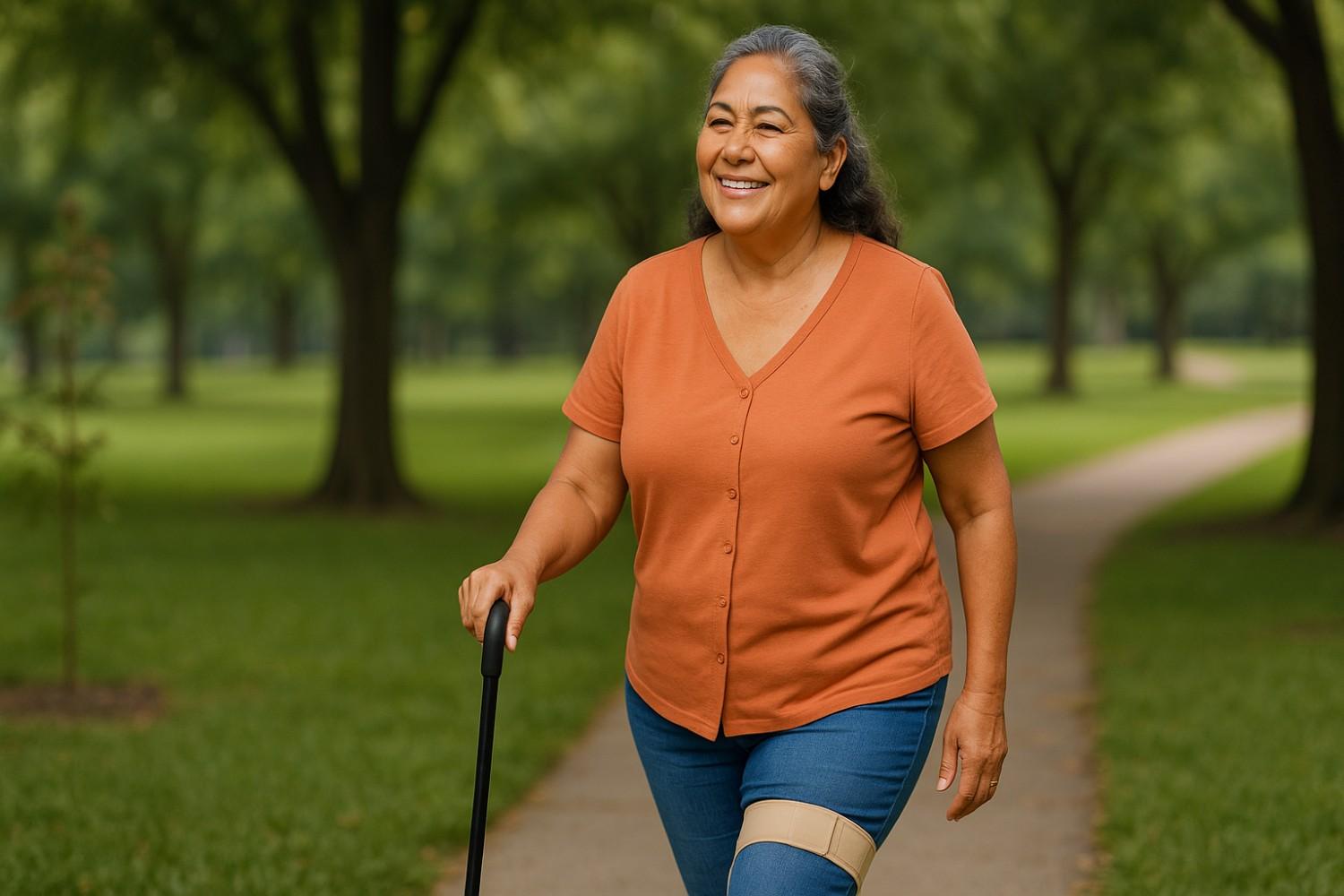
At Pain Management Laredo, we recognize that the right assistive devices can make a profound difference in managing chronic pain and preventing new injuries. Many patients initially resist using supportive devices due to concerns about appearance or fears of dependency. However, properly selected and fitted devices often have the opposite effect—increasing independence, reducing pain medication needs, and preventing further tissue damage. This comprehensive guide examines how canes, braces, orthotics, and other assistive devices can help Laredo residents maintain active, independent lives while managing their pain conditions effectively.
Understanding the Biomechanical Benefits of Assistive Devices
Assistive devices work through several key biomechanical principles:
Load Redistribution
- Weight Transfer: Devices like canes and walkers transfer weight away from painful or injured structures, reducing the load on compromised joints or tissues.
- Pressure Distribution: Orthotics and specialized footwear spread pressure across a larger surface area, preventing concentrated forces on sensitive points.
- Joint Unloading: Braces and supports can shift forces away from damaged joint compartments, particularly beneficial in conditions like knee osteoarthritis.
- Mechanical Advantage: Leverage-based devices help overcome weakness by optimizing biomechanical efficiency.
- Force Dispersion: Distributing forces across stronger tissues to protect weaker or injured areas.
Stability Enhancement
- Base of Support Expansion: Mobility aids like canes and walkers increase the base of support, improving balance and reducing fall risk.
- Joint Stabilization: Braces restrict harmful movements while allowing beneficial ones, providing external support for unstable joints.
- Proprioceptive Feedback: Many devices provide enhanced sensory input that improves body awareness and position sense.
- Dynamic Stabilization: Advanced bracing systems that provide support during movement while still allowing functional range of motion.
- Confidence Effects: The psychological security provided by assistive devices often improves movement patterns and reduces guarding behaviors.
Alignment Correction
- Postural Improvement: Supports that promote optimal spinal alignment, reducing abnormal stresses and strains.
- Joint Alignment: Braces and orthotics that correct or compensate for structural misalignments, improving biomechanical efficiency.
- Gait Modification: Devices that alter walking patterns to reduce pain and improve function through better movement mechanics.
- Tissue Tension Normalization: Restoring proper length-tension relationships in muscles and connective tissues.
- Movement Pattern Training: Using assistive devices temporarily to teach optimal movement strategies that may eventually be maintained without the device.
Understanding these mechanisms helps explain why the right assistive device, properly fitted and correctly used, can provide significant pain relief and functional improvement without the side effects associated with medications or the risks of more invasive interventions.
Mobility Aids: Canes, Walkers, and Crutches
These devices provide external support during walking and standing:
Canes: Types and Selection
- Standard (C-Handle) Canes: Traditional design with curved handles; appropriate for mild balance issues or when minimal weight support is needed.
- Offset Handle Canes: Designed to place the user's weight directly over the shaft, providing better support for those who put more weight on their cane.
- Quad Canes: Four-point base provides greater stability without requiring the user to lift the cane completely between steps; ideal for those with greater balance concerns.
- Folding Canes: Convenience for travel and storage while providing standard support when deployed; good for occasional use or when portability is important.
- Forearm (Platform) Canes: Distribute weight through the forearm rather than the wrist and hand; beneficial for those with arthritis or hand/wrist pain.
Proper Cane Fitting and Use
- Height Adjustment: Properly fitted canes should allow approximately 20-30 degrees of elbow flexion when the tip is placed 6 inches from the side of the foot.
- Hand Dominance Considerations: Canes are typically held in the hand opposite to the affected leg to create a normal cross-body gait pattern.
- Weight Distribution: When used correctly, canes can reduce weight bearing on a painful leg by up to 25%.
- Gait Pattern: The cane and affected leg should move forward together, creating a balanced and efficient walking pattern.
- Tip Selection: Rubber tips with adequate tread provide slip resistance; larger tips or specialized designs offer additional stability on uneven surfaces.
Walkers and Rollators
- Standard Walkers: Provide maximum stability but require the user to lift the device with each step; appropriate for those needing significant support or with poor balance.
- Front-Wheeled Walkers: Two wheels in front eliminate the need to lift the walker completely, while still providing good stability; a good compromise between security and ease of use.
- Four-Wheeled Rollators: Allow continuous movement without lifting, typically including hand brakes, seats, and storage; ideal for those who need support but have reasonable balance and endurance.
- Specialty Walkers: Include bariatric models, narrow designs for tight spaces, and hemi-walkers for those with one-sided weakness.
- Accessories: Trays, baskets, and pouches add functionality; walker glides or skis can improve maneuverability on some surfaces.
Crutches and Specialty Mobility Aids
- Axillary Crutches: Traditional underarm crutches used primarily for temporary conditions; require good upper body strength and proper fitting to avoid nerve compression.
- Forearm (Lofstrand) Crutches: Provide support through cuffs around the forearms, allowing more freedom of hand use while standing; better for long-term use than axillary crutches.
- Platform Crutches: Support weight through the forearms rather than hands and wrists; beneficial for those with arthritis or hand/wrist injuries.
- Hands-Free Crutch Alternatives: Innovative devices that support the affected leg while allowing hands-free mobility; useful for certain foot and ankle injuries.
- Smart Canes: Emerging technology incorporating fall detection, gait analysis, and navigation assistance; particularly valuable for users with cognitive impairments alongside mobility issues.
At Pain Management Laredo, we provide individualized assessment to determine which mobility aid best matches each patient's specific needs, ensuring optimal support while maintaining as much natural movement as possible.
Braces and Supports: External Stabilization
Braces provide targeted support for specific joints and body regions:
Spinal Braces and Supports
- Lumbar Support Belts: Provide compression and mild support for the lower back; helpful for activity-specific support and proprioceptive feedback.
- Thoracolumbosacral Orthoses (TLSO): More rigid braces that limit spine movement in multiple planes; used for compression fractures, post-surgery support, or severe instability.
- Cervical Collars: Range from soft foam collars providing gentle support to rigid braces restricting cervical spine movement; selection depends on the condition's severity and specific movement restrictions needed.
- Posture Correction Devices: Range from simple posture reminder straps to electronic devices that vibrate when slouching is detected; help retrain postural muscles and awareness.
- Sacroiliac Belts: Specialized supports that stabilize the sacroiliac joints, often helpful for pregnancy-related or chronic SI joint pain.
Knee Braces
- Prophylactic Knee Braces: Designed to prevent injuries during sports or high-risk activities; provide lateral support without significantly restricting movement.
- Functional Knee Braces: Support knees with ligament injuries or instability; range from simple hinged designs to sophisticated custom models with selective motion control.
- Rehabilitative Knee Braces: Used post-surgery or after significant injuries; typically allow controlled motion while preventing harmful movements during healing.
- Unloader Knee Braces: Specifically designed to reduce load in one compartment of the knee; particularly effective for unicompartmental knee osteoarthritis.
- Patellofemoral Braces: Focus on improving patellar tracking and reducing anterior knee pain through compression sleeves, straps, or buttress designs.
Ankle and Foot Braces
- Ankle Sleeves: Provide mild compression and proprioceptive feedback; suitable for minor instability or mild arthritis.
- Lace-Up Ankle Braces: Offer adjustable support and moderate motion restriction; good for mild to moderate instability or for activity-specific support.
- Semi-Rigid Ankle Braces: Incorporate plastic stays or hinged designs to more effectively limit excessive inversion/eversion while allowing plantarflexion/dorsiflexion.
- Ankle-Foot Orthoses (AFOs): Control foot drop and provide substantial stability; designs range from flexible to rigid depending on the degree of support needed.
- Night Splints: Maintain a stretched position of the plantar fascia and Achilles tendon during sleep; helpful for plantar fasciitis and Achilles tendinopathy.
Upper Extremity Braces
- Wrist Splints: Immobilize the wrist in a functional position; available in both resting (for night use) and functional (for daytime support) designs.
- Thumb Spica Braces: Stabilize the thumb carpometacarpal and/or metacarpophalangeal joints while allowing finger function; helpful for thumb arthritis and De Quervain's tenosynovitis.
- Elbow Braces: Range from simple compression sleeves to hinged braces with motion control; counterforce braces for tennis/golfer's elbow redirect forces away from irritated tendons.
- Shoulder Supports: Include simple slings, more supportive immobilizers, and specialized designs for particular conditions like shoulder subluxation or rotator cuff injuries.
- Hand-Based Orthotics: Custom or prefabricated devices that position specific fingers or the entire hand for particular functional needs or to prevent contractures.
Proper brace selection requires understanding both the anatomical structures requiring support and the functional demands placed on them during daily activities. Our Laredo specialists work closely with patients to find the optimal balance between support and function.
Foot Orthotics and Specialized Footwear
The foundation of proper body alignment starts with the feet:
Custom vs. Over-the-Counter Orthotics
- Custom Prescription Orthotics: Fabricated from detailed foot measurements and designed for specific biomechanical needs; provide the most precise correction but at higher cost.
- Semi-Custom Orthotics: Heat-moldable or adjustable devices that can be customized to a degree without full prescription fabrication; offer a middle ground in both correction and cost.
- Over-the-Counter Arch Supports: Pre-made devices available in standard sizes; appropriate for mild to moderate support needs and may serve as a trial before investing in custom devices.
- Condition-Specific OTC Orthotics: Designed for particular conditions like plantar fasciitis, metatarsalgia, or hallux rigidus; provide targeted support at accessible price points.
- Selection Factors: Body weight, activity level, shoe type, specific foot structure, and diagnosed conditions all influence which orthotic approach is most appropriate.
Orthotic Functions and Design Elements
- Arch Support: Maintains proper foot architecture and helps distribute weight evenly across the foot.
- Heel Cups: Stabilize the calcaneus (heel bone) and provide shock absorption; particularly helpful for plantar fasciitis and heel pain.
- Metatarsal Pads: Relieve pressure on the metatarsal heads by redistributing weight; beneficial for metatarsalgia and neuromas.
- Posting: Wedges or angled components that correct foot position and alignment; can be medial, lateral, or both depending on the specific need.
- Material Selection: Ranges from soft, shock-absorbing materials for cushioning to rigid materials for maximum support; often combined in layers for optimal function.
Therapeutic Footwear
- Extra-Depth Shoes: Provide additional volume to accommodate orthotics, foot deformities, or swelling without increasing length or width.
- Rocker Soles: Curved bottom designs that reduce pressure on the forefoot and assist with forward propulsion; helpful for arthritis, forefoot pain, and certain gait abnormalities.
- Motion Control Shoes: Built with firmer midsoles and structured heel counters to limit excessive pronation; beneficial for those with flat feet or overpronation.
- Cushioned Shoes: Maximize shock absorption for those with reduced natural padding or high-impact activities; particularly helpful for heel pain and metatarsalgia.
- Diabetic Footwear: Designed with seamless interiors, pressure distribution, and protection features for those with neuropathy or circulatory compromise.
The Ripple Effect: How Foot Support Influences Total Body Alignment
- Kinetic Chain Concept: Proper foot support creates a foundation that improves alignment all the way up the skeletal system.
- Knee Stress Reduction: Research shows appropriate orthotics can significantly reduce knee loading in osteoarthritis patients.
- Hip Alignment: Correcting foot pronation or supination often improves hip rotation and pelvic positioning.
- Low Back Impact: Many Laredo patients report reduced back pain after addressing foot mechanics through proper orthotic support.
- Gait Efficiency: Improved foot function leads to more energy-efficient walking, reducing overall fatigue and strain.
In Laredo's active community, proper foot support represents one of the most fundamental and effective interventions for both preventing and managing pain conditions throughout the body.
Ergonomic Aids for Daily Activities
Beyond mobility and support, specialized tools help reduce strain during everyday tasks:
Household Activity Aids
- Reachers/Grabbers: Extend reach without straining, bending, or stretching; particularly valuable for those with back pain or balance concerns.
- Ergonomic Kitchen Tools: Adapted cutting boards, knives with perpendicular handles, jar openers, and other modified tools that reduce wrist strain and grip demands.
- Dressing Aids: Button hooks, sock assists, long-handled shoe horns, and other tools that minimize bending and reaching during dressing.
- Bathroom Safety Equipment: Grab bars, raised toilet seats, tub benches, and long-handled sponges that reduce fall risk and minimize painful positioning.
- Household Task Modifications: Lightweight cleaning tools, wheeled carts, and task reorganization strategies that reduce physical demands.
Ergonomic Work and Computer Aids
- Keyboard and Mouse Alternatives: Ergonomic keyboards, vertical mice, trackballs, and voice recognition software that reduce repetitive strain.
- Monitor Positioning Tools: Adjustable stands, arms, and document holders that promote neutral neck positioning.
- Ergonomic Chairs: Properly supportive seating with adjustable lumbar support, armrests, and height settings to maintain optimal positioning.
- Sit-Stand Workstations: Allow position changes throughout the day, reducing static loading on tissues and promoting circulation.
- Task Lighting: Proper illumination that reduces eye strain and associated neck tension from leaning forward or squinting.
Sleep Positioning Aids
- Cervical Pillows: Contoured designs that maintain proper neck alignment during sleep; available in different heights and firmness levels for various sleep positions.
- Body Pillows: Provide support between knees, under arms, or along the body to maintain neutral spine alignment, particularly helpful for side sleepers.
- Wedge Pillows: Elevate the upper body for conditions like acid reflux or respiratory issues, or place under knees to relieve back pressure.
- Mattress Selection: Different support needs based on sleep position, body type, and specific pain conditions; sometimes addressed with toppers rather than full replacement.
- Adjustable Beds: Allow customized positioning for optimal comfort and can be particularly beneficial for conditions like spinal stenosis or COPD that benefit from specific positions.
Vehicle and Transportation Adaptations
- Car Entry/Exit Aids: Swivel cushions, portable handles, and seat belt extenders that reduce twisting and pulling during transfers.
- Driving Ergonomics: Lumbar supports, seat cushions, steering wheel covers, and mirror adaptations to improve positioning and reduce strain during driving.
- Getting In/Out of Low Vehicles: Techniques and aids specifically for managing this challenging transition, particularly important for those with knee or hip pain.
- Vehicle Selection Considerations: Features that promote easier access and better positioning, particularly relevant for Laredo residents who may spend significant time driving.
- Travel Accommodations: Portable supports, cushions, and positioning aids that maintain proper body alignment during extended travel.
These daily living aids often make the difference between independent function and requiring assistance, allowing Laredo residents with pain conditions to maintain their lifestyle with less pain and greater safety.
Selecting the Right Device for Your Condition
Proper device selection requires consideration of multiple factors:
Assessment Considerations
- Professional Evaluation: The importance of proper assessment by healthcare providers with expertise in assistive devices rather than self-selection.
- Diagnosis-Specific Needs: How different conditions require specific features and support characteristics in assistive devices.
- Functional Goals: Aligning device selection with the specific activities and movements that are most important to maintain or improve.
- Progressive Approaches: How device needs may change throughout recovery or disease progression, sometimes requiring a staged approach.
- Compliance Factors: Considering the practical aspects that will influence whether a device will actually be used consistently.
Matching Devices to Common Pain Conditions
- Osteoarthritis: Unloader braces for knee OA, properly fitted canes to reduce joint loading, orthotics to improve alignment, and ergonomic aids to minimize painful gripping and reaching.
- Back Pain: Appropriate spinal supports based on the specific diagnosis, foot orthotics to improve overall alignment, ergonomic seating for prolonged sitting, and proper body mechanics tools for bending and lifting.
- Fibromyalgia and Widespread Pain: Lightweight mobility aids during flares, gentle compression garments for proprioceptive input, ergonomic tools to reduce effort during daily tasks, and appropriate sleep positioning supports.
- Neuropathic Pain: Protective footwear for those with sensory loss, specialized orthotics to redistribute pressure away from sensitive areas, and stabilizing braces for areas with proprioceptive deficits.
- Post-Surgical Support: Progressive bracing approaches that change with healing stages, temporary mobility aids during recovery, and specialized devices for specific surgical procedures.
Balancing Support and Function
- Avoiding Over-Bracing: The potential problems with excessive support leading to muscle deconditioning and dependency.
- Activity-Specific Selection: Using different devices for different activities based on support needs and functional demands.
- Progressive Independence: Strategies for gradually reducing device dependence when appropriate through strengthening and motor control training.
- Intermittent Usage Approaches: For some conditions, using supportive devices during high-demand activities while allowing natural movement during less stressful periods.
- Psychological Considerations: Addressing the mental aspects of device use, including overcoming resistance and building confidence in appropriate support.
At Pain Management Laredo, we work closely with patients to find the optimal balance between providing necessary support and maintaining or building natural function, creating individualized approaches that evolve with changing needs.
Proper Use and Training
Even the best device provides limited benefit without proper usage:
Device-Specific Training
- Mobility Aid Instruction: Proper techniques for cane, walker, and crutch use, including gait patterns, turning, managing various surfaces, and navigating stairs.
- Brace Application: Correct positioning, securing methods, and wearing schedules to maximize benefit while preventing skin issues or other complications.
- Orthotic Break-In: Gradual adaptation schedules for foot orthotics to allow comfortable adjustment to corrected alignment.
- Activity Modification: Learning how to perform daily tasks while optimally using assistive devices rather than working against them.
- Maintenance Instruction: Proper care, cleaning, and monitoring of devices for wear and tear or fit changes.
Common Usage Mistakes to Avoid
- Improper Cane Height: Using canes that are too tall or too short, creating abnormal posture and reducing effectiveness.
- Incorrect Brace Positioning: Failing to align braces with the proper anatomical landmarks, reducing support and potentially causing new problems.
- Inconsistent Usage: Using devices sporadically rather than as prescribed, preventing adaptation and optimal benefit.
- Delayed Replacement: Continuing to use worn-out or damaged devices that no longer provide adequate support.
- One-Size-Fits-All Thinking: Borrowing or using generic devices without proper fitting or assessment.
Building Device Use Into Daily Routines
- Consistency Strategies: Methods for remembering to use devices appropriately, particularly for items used intermittently.
- Environmental Setup: Organizing home and work environments to accommodate device use without creating new obstacles.
- Travel Considerations: Planning for device use during travel, including portable alternatives when necessary.
- Social Situation Management: Strategies for addressing self-consciousness or practical challenges when using devices in public settings.
- Weather Adaptations: Modifications for Laredo's hot climate and occasional rainy periods, including moisture management with braces and stable mobility aid use on wet surfaces.
Proper training transforms assistive devices from awkward appendages to natural extensions that seamlessly support daily function while reducing pain.
Insurance Coverage and Financial Considerations
Navigating the financial aspects of assistive devices:
Insurance Coverage Basics
- Medicare Coverage: Guidelines for coverage of durable medical equipment, including the requirement for items to be "medically necessary" and prescribed by a qualified provider.
- Private Insurance Variations: How coverage differs between plans, with some providing better coverage for certain categories of devices than others.
- Prior Authorization Requirements: The often necessary step of obtaining insurance approval before purchasing more expensive devices.
- Documentation Needs: Specific medical documentation required to justify device necessity to insurance companies.
- In-Network Providers: The importance of obtaining devices from approved vendors when using insurance coverage.
Maximizing Coverage Potential
- Prescription Specificity: How detailed prescriptions from healthcare providers improve coverage likelihood.
- Letter of Medical Necessity: When and how these detailed justifications should be used to support coverage requests.
- Diagnosis Considerations: How certain diagnoses may qualify for better coverage than others for the same device.
- Appeal Processes: Steps to take when coverage is initially denied but the device is genuinely needed.
- Rental vs. Purchase Options: When each approach makes more sense from both a coverage and practical perspective.
Alternative Funding and Affordable Options
- Loan Closets: Community resources in Laredo that loan equipment at no or low cost, particularly for temporary needs.
- Charitable Organizations: Local and national groups that may provide financial assistance for necessary devices.
- Manufacturer Assistance Programs: Direct help from device companies for qualified individuals.
- Tax Deductions: Potential tax benefits for medical devices when they exceed threshold amounts.
- Cost-Effective Alternatives: When commercial products can be reasonably substituted with more affordable options.
At Pain Management Laredo, we help patients navigate these financial considerations to ensure that cost barriers don't prevent access to devices that can significantly improve quality of life and pain management.
When to Transition: Using Devices for Recovery vs. Long-Term Support
Understanding the appropriate timeline for device use is essential:
Temporary Support During Healing
- Acute Injury Protocols: Structured progressions from more to less support as healing occurs following injuries.
- Post-Surgical Timelines: Typical device use schedules following different surgical procedures, with planned transitions as recovery progresses.
- Weaning Strategies: Gradual reduction in device use frequency and duration as strength and function improve.
- Complementary Rehabilitation: How therapy exercises work alongside supportive devices to build independence.
- Monitoring for Readiness: Objective measures that indicate when transition away from devices is appropriate.
Long-Term or Permanent Support Needs
- Progressive Conditions: Device approaches for degenerative disorders where needs may increase rather than decrease over time.
- Structural Deformities: When anatomical issues create ongoing support requirements that cannot be resolved through rehabilitation.
- Neurological Conditions: Long-term bracing and support needs for neurological impairments affecting strength, coordination, or sensation.
- Alternating Strategies: Using devices intermittently for high-demand activities while maintaining independence in less demanding situations.
- Acceptance Factors: Psychological aspects of adjusting to long-term device need without defining oneself by the device.
Monitoring and Reassessment
- Regular Fit Checks: Importance of periodic evaluation of device fit and function, as body changes, wear patterns, or changing needs may necessitate adjustments.
- Functional Reassessment: Ongoing evaluation of whether the current device continues to meet functional needs or requires updating.
- Technology Updates: Considering newer options as technology improves, potentially offering better function with less bulk or restriction.
- Condition Progression Monitoring: Watching for signs that the underlying condition has changed, requiring device modification.
- Life Change Adaptations: Reassessing device needs when life circumstances change, such as new work demands, moving to a different home, or changing activity interests.
This balanced approach ensures devices serve as tools for maximizing function and independence rather than creating unnecessary dependence or limiting potential recovery.
Innovative and Emerging Assistive Technologies
The field of assistive devices continues to advance with new technologies:
Smart and Connected Devices
- Sensor-Equipped Braces: Provide real-time feedback on positioning, loading, and movement patterns to both users and healthcare providers.
- Adaptive Resistance Systems: Braces that provide variable support based on detected activity and need.
- App-Connected Mobility Aids: Canes and walkers with fall detection, gait analysis, and location tracking for safety and optimization.
- Smart Insoles: Pressure-sensing orthotics that provide data on weight distribution and gait patterns, allowing for refinement of interventions.
- Remote Monitoring Integration: Devices that share usage and functional data with healthcare providers to enable more responsive care.
Advanced Materials and Manufacturing
- 3D-Printed Custom Devices: Perfectly matched to individual anatomy through scanning and digital manufacturing, often at lower cost than traditional custom fabrication.
- Ultra-Lightweight Composites: Providing strength and support with significantly reduced weight compared to traditional materials.
- Breathable and Moisture-Wicking Materials: Improving comfort and skin health during device use, particularly important in Laredo's climate.
- Energy-Storing Components: Materials that capture energy during one phase of movement and release it during another, improving efficiency.
- Antimicrobial Surfaces: Reducing infection risk and odor, especially in devices worn for extended periods.
Exoskeletons and Powered Assistance
- Rehabilitation Exoskeletons: Robotic devices that assist movement for neurological rehabilitation and functional training.
- Occupational Support Devices: Wearable systems that reduce physical strain during work tasks involving lifting, bending, or repetitive movements.
- Powered Mobility Enhancements: Add-on systems that convert manual wheelchairs to powered assistance when needed.
- Partial Assistance Technology: Devices that provide boost power during high-demand activities like stair climbing while allowing natural movement at other times.
- Accessibility Considerations: How these advanced technologies are becoming more available to average consumers rather than only in specialized settings.
While some of these technologies are still evolving, they represent the exciting future of assistive devices that will provide increasingly personalized, responsive support with less bulk and restriction.
Conclusion: Finding Your Optimal Support System
At Pain Management Laredo, we view assistive devices as valuable tools in the comprehensive management of pain conditions—not as signs of disability but as enablers of function and independence. The right device, properly fitted and correctly used, can make the difference between limiting activities due to pain and maintaining an active, engaged lifestyle.
We encourage Laredo residents experiencing pain to overcome any hesitation about assistive devices and explore how these tools might enhance their quality of life. From simple ergonomic aids to advanced bracing systems, the wide range of available options means there's likely a solution well-matched to your specific needs and circumstances.
Our interdisciplinary team provides comprehensive assessment, fitting, and training to ensure you receive maximum benefit from any recommended devices. We work closely with local vendors, insurance companies, and community resources to address practical and financial considerations, making appropriate assistive technology accessible to all who need it.
If pain is limiting your activities or independence, contact Pain Management Laredo to explore how the right assistive devices might be incorporated into your comprehensive pain management plan, helping you move more comfortably and confidently through daily life.