
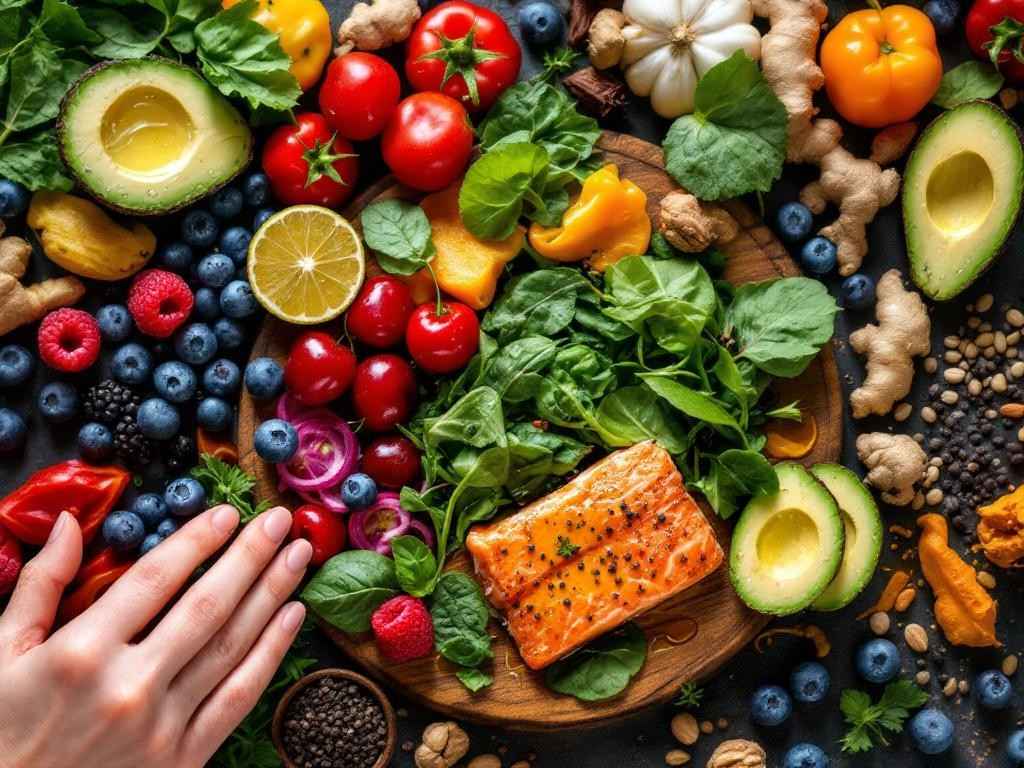
Anti-Inflammatory Diets: Foods That Reduce Chronic Pain Flares
Anti-Inflammatory Diets: Foods That Reduce Chronic Pain Flares
At Pain Management Laredo, we recognize that what you eat can significantly impact your pain levels. Chronic inflammation underlies many painful conditions, from arthritis and fibromyalgia to back pain and migraines. While medications play an important role in pain management, dietary choices can either fuel inflammation or help suppress it. This comprehensive guide explores how Laredo residents can use anti-inflammatory eating patterns to reduce pain flares and improve quality of life.
Understanding Inflammation and Its Role in Pain
Before diving into specific dietary approaches, it's important to understand how inflammation affects pain:
Acute vs. Chronic Inflammation
- Acute Inflammation: A natural, protective response to injury or infection that causes temporary redness, swelling, and pain. This type of inflammation is essential for healing.
- Chronic Inflammation: A persistent inflammatory state that can last months or years, often without obvious external signs. This ongoing inflammation damages tissues and amplifies pain signaling.
- Systemic Effects: Chronic inflammation doesn't just affect one area—it creates system-wide impacts that can increase pain sensitivity throughout the body.
- Pain Amplification: Inflammatory chemicals directly activate pain receptors and make the nervous system more sensitive to all pain signals.
How Diet Influences Inflammation
- Pro-Inflammatory Foods: Certain foods can trigger inflammatory responses, increasing the production of cytokines and other inflammatory compounds.
- Anti-Inflammatory Foods: Other foods contain natural compounds that help suppress inflammatory pathways and promote resolution of inflammation.
- Gut-Inflammation Connection: The gut microbiome plays a crucial role in regulating inflammation, and diet directly shapes this internal ecosystem.
- Metabolic Factors: Blood sugar fluctuations and insulin resistance can drive inflammation, making dietary patterns that stabilize blood sugar particularly important.
Common Pain Conditions Affected by Dietary Inflammation
- Osteoarthritis: Once thought to be purely mechanical, we now understand that inflammation plays a significant role in cartilage degradation and pain.
- Rheumatoid Arthritis: This autoimmune condition involves systemic inflammation that responds notably to dietary changes.
- Fibromyalgia: While complex, this condition shows signs of neuroinflammation that may be influenced by dietary factors.
- Back Pain: Inflammatory processes can worsen disc degeneration and nerve irritation in the spine.
- Migraine: Both inflammatory triggers and systemic inflammation can influence migraine frequency and intensity.
- Neuropathic Pain: Inflammation around nerve tissues can maintain and worsen nerve pain conditions.
Understanding these connections helps Laredo patients recognize why dietary changes can be a powerful component of comprehensive pain management.
Core Principles of Anti-Inflammatory Eating
Several key principles underlie effective anti-inflammatory dietary approaches:
Emphasize Whole, Unprocessed Foods
- Nutrient Density: Focusing on foods rich in vitamins, minerals, and beneficial plant compounds that support the body's anti-inflammatory mechanisms.
- Fiber Importance: Consuming adequate fiber (25-35g daily) to support gut health and reduce inflammatory markers.
- Minimal Processing: Choosing foods in forms closest to their natural state, which preserves beneficial compounds and avoids pro-inflammatory additives.
- Cooking Methods: Favoring gentle cooking techniques that preserve nutrients and avoid creating inflammatory compounds through high-heat methods like deep frying.
Balance Fatty Acids
- Omega-3 to Omega-6 Ratio: Modern diets often contain too many omega-6 fatty acids (found in many vegetable oils) relative to omega-3s, creating a pro-inflammatory imbalance.
- Quality Fat Sources: Incorporating anti-inflammatory fats from olive oil, avocados, nuts, and fatty fish while reducing refined vegetable oils.
- Trans Fat Elimination: Completely avoiding artificial trans fats, which promote inflammation even in small amounts.
- Saturated Fat Moderation: Limiting but not necessarily eliminating saturated fats, with emphasis on the overall dietary pattern rather than single nutrients.
Stabilize Blood Sugar
- Glycemic Impact: Choosing foods with lower glycemic impact to prevent blood sugar spikes that can trigger inflammatory responses.
- Balanced Meals: Combining protein, healthy fats, and fiber with carbohydrates to slow digestion and provide steady energy.
- Regular Eating Patterns: Maintaining consistent meal timing to prevent extreme hunger and subsequent overeating.
- Added Sugar Reduction: Minimizing added sugars, which directly promote inflammation and contribute to metabolic dysfunction.
Support Gut Health
- Prebiotic Foods: Including foods that feed beneficial gut bacteria, such as garlic, onions, leeks, asparagus, and slightly underripe bananas.
- Probiotic Sources: Incorporating fermented foods like yogurt, kefir, sauerkraut, and kimchi to introduce beneficial bacteria.
- Diversity in Plant Foods: Eating a wide variety of plant foods to support diverse gut microbiota, which is associated with lower inflammation.
- Limiting Gut Irritants: Reducing exposure to foods and substances that can damage the gut barrier and trigger inflammation.
These principles form the foundation of any effective anti-inflammatory eating pattern, regardless of which specific dietary approach you choose.
Anti-Inflammatory Food Powerhouses
Some foods show particularly strong anti-inflammatory properties:
Colorful Fruits and Vegetables
- Berries: Blueberries, strawberries, and cherries contain powerful antioxidants called anthocyanins that reduce inflammation. Frozen options are readily available in Laredo when fresh may be seasonal.
- Leafy Greens: Spinach, kale, and collards provide antioxidants, vitamins, and minerals that combat inflammation. Growing these in container gardens is possible even in Laredo's climate.
- Cruciferous Vegetables: Broccoli, cauliflower, and Brussels sprouts contain sulforaphane, which helps the body counteract inflammation.
- Orange/Yellow Produce: Sweet potatoes, butternut squash, and yellow bell peppers deliver beta-carotene and other carotenoids with anti-inflammatory effects.
- Tomatoes: Rich in lycopene, especially when cooked, which helps reduce inflammation particularly in conditions like arthritis.
Anti-Inflammatory Fats
- Extra Virgin Olive Oil: Contains oleocanthal, which has similar anti-inflammatory effects to ibuprofen, though milder. Use as a primary cooking oil and in dressings.
- Fatty Fish: Salmon, sardines, and mackerel provide EPA and DHA, omega-3 fatty acids that directly combat inflammation. Aim for 2-3 servings weekly.
- Avocados: Contain healthy monounsaturated fats and antioxidants that reduce inflammation. Readily available in Laredo markets.
- Nuts and Seeds: Walnuts, chia seeds, flaxseeds, and hemp seeds provide ALA omega-3s and other anti-inflammatory compounds.
Spices and Herbs
- Turmeric: Contains curcumin, one of the most potent natural anti-inflammatory compounds. Combine with black pepper to enhance absorption.
- Ginger: Offers gingerols that reduce inflammation and may help with pain relief, particularly beneficial for arthritis.
- Cinnamon: Contains antioxidants that help reduce inflammation and also helps regulate blood sugar.
- Garlic: Provides sulfur compounds that shut down inflammatory pathways. A staple in many Laredo kitchens.
- Rosemary and Oregano: Mediterranean herbs with polyphenols that combat inflammation. Easy to grow in Laredo's climate.
Protein Sources
- Legumes: Beans, lentils, and chickpeas provide protein, fiber, and antioxidants that reduce inflammation while supporting gut health.
- Fatty Fish: Beyond their omega-3 content, fish provide complete protein without the pro-inflammatory compounds found in some red meats.
- Organic Poultry: Lower in pro-inflammatory compounds than red meat, especially when choosing pasture-raised options.
- Plant Proteins: Tempeh, tofu, and edamame contain isoflavones that may help reduce inflammation.
Incorporating these powerful anti-inflammatory foods into daily meals provides a foundation for pain reduction through nutrition.
Foods and Substances to Minimize
Just as important as what to eat is what to reduce or avoid:
Refined Carbohydrates and Added Sugars
- White Flour Products: White bread, pasta, and baked goods cause rapid blood sugar spikes that trigger inflammation.
- Added Sugars: Found in sodas, desserts, and many processed foods, these directly activate inflammatory pathways.
- Hidden Sugars: Often lurking in sauces, dressings, and even "healthy" products like granola or yogurt.
- Artificial Sweeteners: Some evidence suggests these may disrupt gut bacteria and potentially contribute to inflammation.
Inflammatory Fats
- Trans Fats: Found in some processed foods, these industrial fats trigger strong inflammatory responses even in small amounts.
- Refined Vegetable Oils: Corn, soybean, and safflower oils contain high levels of omega-6 fatty acids, which can be pro-inflammatory in excess.
- Oxidized Fats: Oils that have been repeatedly heated to high temperatures develop inflammatory compounds.
Processed Meats and Excessive Red Meat
- Processed Meats: Bacon, sausage, deli meats, and jerky contain preservatives and compounds that promote inflammation.
- Conventional Red Meat: Particularly when consumed frequently or in large amounts, can increase inflammatory markers.
- Charred Meats: High-temperature cooking methods like grilling create compounds that may increase inflammation.
Potential Sensitivities
- Gluten: For those with sensitivity or celiac disease, gluten can trigger significant inflammation.
- Dairy: Some individuals find that dairy products, particularly from conventionally raised cows, increases inflammation and pain.
- Nightshades: Tomatoes, peppers, eggplant, and potatoes may increase pain in a subset of people, particularly those with certain types of arthritis.
- FODMAPs: Fermentable carbohydrates that can trigger digestive distress and potentially systemic inflammation in sensitive individuals.
Alcohol and Caffeine
- Excessive Alcohol: More than one drink daily for women or two for men can increase inflammation and interfere with sleep, worsening pain.
- Caffeine Considerations: While coffee has some anti-inflammatory compounds, excessive caffeine can disrupt sleep and potentially increase stress hormones that contribute to inflammation.
Reducing these pro-inflammatory foods and substances can significantly lower your inflammatory burden and help decrease pain.
Specific Anti-Inflammatory Dietary Approaches
Several structured eating patterns have shown benefits for reducing inflammation:
Mediterranean Diet
- Evidence Base: The most extensively studied anti-inflammatory diet, with multiple clinical trials showing benefits for various pain conditions.
- Key Components: Abundant fruits and vegetables, whole grains, legumes, nuts, olive oil as the primary fat, moderate fish consumption, and limited red meat.
- Pain Condition Benefits: Particularly strong evidence for rheumatoid arthritis, osteoarthritis, and inflammatory back pain.
- Laredo Adaptation: Incorporating local favorites like avocados, cilantro, lime, and fish while following the Mediterranean principles.
DASH Diet
- Original Purpose: Designed to reduce blood pressure, but also shows anti-inflammatory effects.
- Key Components: Emphasizes fruits, vegetables, lean proteins, and low-fat dairy while limiting sodium, sugar, and saturated fats.
- Pain Condition Benefits: May be particularly helpful for pain conditions complicated by hypertension or cardiovascular issues.
- Practical Implementation: Focus on the DASH principle of 4-5 servings each of fruits and vegetables daily.
Plant-Based Approaches
- Spectrum of Options: From fully vegan to flexitarian patterns that simply emphasize plant foods.
- Anti-Inflammatory Mechanisms: Plant-exclusive diets eliminate many pro-inflammatory foods while maximizing fiber and phytonutrients.
- Pain Condition Benefits: Particularly strong evidence for rheumatoid arthritis and other autoimmune conditions.
- Practical Considerations: Ensure adequate protein, vitamin B12, iron, zinc, and omega-3s when following stricter plant-based diets.
Elimination Protocols
- Personalized Approach: Temporarily removing potential trigger foods, then systematically reintroducing them to identify personal inflammatory triggers.
- Common Elimination Targets: Gluten, dairy, soy, corn, eggs, sugar, and nightshades.
- Implementation Method: Best done with professional guidance to ensure nutritional adequacy and proper testing protocol.
- Appropriate Candidates: Most beneficial for those who suspect specific food sensitivities are contributing to their pain.
Anti-Inflammatory Ketogenic Approaches
- Modified Ketogenic Diet: A higher-fat, lower-carbohydrate approach with emphasis on anti-inflammatory fat sources.
- Potential Mechanisms: Ketone bodies themselves may have anti-inflammatory effects, and the diet eliminates many pro-inflammatory foods.
- Emerging Evidence: Some promising research for neuropathic pain, migraines, and certain inflammatory conditions.
- Important Considerations: Requires careful planning to incorporate adequate vegetables and fiber while avoiding excessive saturated fat.
The optimal approach varies based on individual factors, including specific pain conditions, preferences, cultural background, and other health considerations.
Implementing an Anti-Inflammatory Diet in Laredo
Practical strategies for making these dietary changes sustainable:
Local Food Resources
- Farmers Markets: The Laredo Farmers Market offers seasonal produce with higher nutrient content than items shipped long distances.
- Community Gardens: Several community gardens in Laredo provide access to fresh produce and gardening education.
- Local Fish Sources: Utilizing fresh Gulf seafood when available for optimal omega-3 content.
- Cultural Food Integration: Working with traditional Mexican and Tex-Mex dishes to maintain cultural connections while enhancing anti-inflammatory properties.
Meal Planning and Preparation
- Batch Cooking: Preparing anti-inflammatory bases like beans, brown rice, or roasted vegetables that can be used in multiple meals throughout the week.
- Smoothie Strategies: Using smoothies to incorporate berries, leafy greens, and anti-inflammatory spices like turmeric in convenient forms.
- Healthy Swaps: Simple substitutions like olive oil instead of vegetable oil, herbs instead of salt, or fruit instead of processed desserts.
- Spice Blends: Creating premixed anti-inflammatory spice blends to easily add flavor and benefits to everyday cooking.
Navigating Social Situations
- Restaurant Strategies: Tips for making anti-inflammatory choices when dining out in Laredo, such as requesting olive oil instead of vegetable oil or choosing grilled options over fried.
- Family Gatherings: Approaches for maintaining dietary principles at family events without feeling isolated or deprived.
- Bringing Dishes: Offering to bring anti-inflammatory dishes to share at gatherings, introducing others to delicious, healthful options.
- Communication Tips: How to explain dietary choices to friends and family in ways that garner support rather than criticism.
Gradual Implementation
- Starting Points: Beginning with simple changes like adding one additional vegetable serving daily or switching to olive oil.
- Weekly Challenges: Adding one new anti-inflammatory food or practice each week to build sustainable habits.
- Substitution Approach: Replacing pro-inflammatory foods with anti-inflammatory alternatives rather than simply eliminating without replacement.
- Progress Tracking: Monitoring both dietary changes and pain levels to identify correlations and maintain motivation.
These practical strategies help Laredo residents implement anti-inflammatory eating patterns in ways that respect local food traditions and resources while maximizing pain-reducing benefits.
Supplements to Consider
While whole food approaches should form the foundation, certain supplements may provide additional benefits:
Essential Fatty Acids
- Omega-3 Supplements: Fish oil or algae-based supplements providing EPA and DHA, particularly beneficial when fatty fish consumption is inadequate.
- Dosage Considerations: Typically 1-3 grams combined EPA/DHA daily for anti-inflammatory effects, with higher doses sometimes recommended for specific conditions.
- Quality Matters: Choosing third-party tested products to ensure purity and potency.
- Timing and Form: Taking with meals in triglyceride form for optimal absorption.
Anti-Inflammatory Botanicals
- Curcumin: The active component in turmeric, available in formulations with enhanced absorption for more potent anti-inflammatory effects.
- Boswellia: An herbal extract that inhibits inflammatory enzymes, particularly helpful for osteoarthritis and some autoimmune conditions.
- Ginger Extract: Concentrated forms of ginger's anti-inflammatory compounds for those who don't regularly consume the fresh root.
- Green Tea Extract: Contains EGCG and other catechins with anti-inflammatory properties, especially beneficial for those who don't drink green tea.
Gut Health Support
- Probiotics: Specific strains with evidence for reducing inflammatory markers and supporting gut barrier function.
- Prebiotics: Fiber supplements that feed beneficial bacteria, such as partially hydrolyzed guar gum or inulin.
- Combination Products: Synbiotic formulations that provide both pre- and probiotics for comprehensive gut support.
Antioxidant Support
- Vitamin D: Has significant anti-inflammatory effects and is commonly deficient, particularly in people with chronic pain.
- Specialized Antioxidants: Compounds like astaxanthin, quercetin, or resveratrol that have specific anti-inflammatory actions.
- Balanced Formulations: Combinations of antioxidants may work synergistically rather than high doses of single nutrients.
Always consult with your healthcare provider before starting supplements, especially if you take medications or have chronic health conditions. Our Laredo pain specialists can provide personalized supplement recommendations that complement your dietary approach.
Monitoring Progress and Adjusting Your Approach
Successful dietary management of inflammation requires ongoing assessment and refinement:
Tracking Methods
- Food-Symptom Journals: Documenting meals alongside pain levels to identify patterns and potential trigger foods.
- Pain Scales: Using consistent numerical scales to track pain intensity and frequency as dietary changes are implemented.
- Inflammation Markers: When appropriate, monitoring blood markers like C-reactive protein or erythrocyte sedimentation rate to assess systemic inflammation.
- Functional Assessments: Tracking improvements in range of motion, morning stiffness duration, or ability to perform specific activities.
Timeline Expectations
- Initial Responses: Some individuals notice changes within days, particularly with elimination of major trigger foods.
- Meaningful Timeframe: Most people require 3-4 weeks of consistent dietary changes before judging effectiveness.
- Full Benefits: Some anti-inflammatory effects may continue to develop over 3-6 months as the body's inflammatory balance shifts.
- Realistic Outcomes: Understanding that dietary changes typically reduce pain by 20-40% rather than eliminating it completely.
Troubleshooting Common Challenges
- Plateau in Progress: Strategies for breaking through when initial improvements level off.
- Inconsistent Results: Approaches for identifying variables that might explain why the same foods affect you differently on different occasions.
- Digestive Adjustments: Managing temporary digestive changes that can occur when significantly increasing fiber or changing eating patterns.
- Cravings Management: Techniques for addressing cravings for pro-inflammatory foods during the transition period.
When to Seek Additional Support
- Registered Dietitian Consultation: Indications for working with a nutrition professional specializing in inflammatory conditions.
- Integrative Medicine Approach: Combining dietary strategies with other anti-inflammatory approaches like acupuncture or mind-body practices.
- Further Testing: When specialized assessments like food sensitivity testing or microbiome analysis might be beneficial.
The most successful approach involves ongoing attention to your body's responses and willingness to make adjustments based on your individual results.
Anti-Inflammatory Eating Across Specific Pain Conditions
Different pain conditions may benefit from specific nutritional emphases:
Osteoarthritis
- Key Focus: Weight management combined with anti-inflammatory foods to reduce joint load and cartilage inflammation.
- Beneficial Emphasis: Collagen-supporting nutrients (vitamin C, proline, glycine), omega-3 fatty acids, and polyphenol-rich berries.
- Common Triggers: Processed meats, refined carbohydrates, and excessive omega-6 fatty acids often worsen symptoms.
- Supplement Considerations: Turmeric/curcumin shows particular benefit for osteoarthritis pain.
Rheumatoid Arthritis
- Key Focus: Addressing autoimmune drivers with strong anti-inflammatory and gut-healing emphasis.
- Beneficial Emphasis: Omega-3 rich foods, antioxidant-rich produce, and elimination of potential immune triggers.
- Common Triggers: Nightshade vegetables (tomatoes, peppers, eggplant) aggravate symptoms in some individuals.
- Clinical Evidence: Mediterranean and plant-based diets show the strongest research support for this condition.
Fibromyalgia
- Key Focus: Stabilizing blood sugar, supporting mitochondrial function, and addressing common food sensitivities.
- Beneficial Emphasis: Magnesium-rich foods, low-glycemic eating patterns, and omega-3 fatty acids.
- Common Triggers: Excitotoxins like MSG and aspartame affect some individuals severely.
- Additional Considerations: Addressing digestive issues that frequently co-occur with fibromyalgia.
Neuropathic Pain
- Key Focus: Nerve-supporting nutrients combined with systemic inflammation reduction.
- Beneficial Emphasis: B-vitamin rich foods, alpha-lipoic acid sources, and antioxidants that cross the blood-brain barrier.
- Blood Sugar Connection: Particularly important to stabilize glucose levels, especially in diabetic neuropathy.
- Emerging Evidence: Some research supports ketogenic approaches for certain types of neuropathic pain.
Migraine
- Key Focus: Identifying individual triggers while supporting overall anti-inflammatory status.
- Common Triggers: Aged foods, alcohol (especially red wine), artificial sweeteners, and food additives like nitrates.
- Beneficial Emphasis: Magnesium-rich foods, omega-3 fatty acids, and consistent meal timing to prevent blood sugar fluctuations.
- Hydration Importance: Maintaining optimal hydration status is particularly crucial for migraine prevention.
Working with our Laredo pain specialists can help you develop a targeted nutritional approach for your specific condition, recognizing that individual responses vary even within the same diagnosis.
Integrating Diet with Other Pain Management Strategies
Anti-inflammatory eating works best as part of a comprehensive approach:
Medication Interactions
- Supportive Effects: How anti-inflammatory eating may enhance medication effectiveness or potentially allow for dose reductions over time.
- Timing Considerations: Coordinating meals and medications for optimal absorption and effect.
- Specific Interactions: Awareness of foods that may interact with common pain medications, such as grapefruit with certain drugs.
- Communication Importance: Keeping your healthcare providers informed about dietary changes that might affect medication needs.
Synergy with Physical Therapies
- Exercise Support: Anti-inflammatory eating reduces post-exercise pain and supports tissue recovery.
- Physical Therapy Enhancement: Reduced baseline inflammation allows more productive physical therapy sessions.
- Activity Timing: Considerations for meal timing relative to exercise or physical therapy for optimal energy and comfort.
Mind-Body Connection
- Stress-Inflammation Cycle: Stress increases inflammation, which increases pain, which increases stress—dietary approaches can help break this cycle.
- Mindful Eating: Bringing attention to the eating experience itself can enhance the anti-inflammatory benefits of food.
- Sleep Support: Anti-inflammatory dietary patterns often improve sleep quality, which is essential for pain management.
Lifestyle Synergy
- Environmental Factors: Addressing other inflammatory exposures such as tobacco smoke, pollution, and household chemicals.
- Movement Integration: Combining anti-inflammatory eating with appropriate movement throughout the day.
- Social Connection: Fostering positive social relationships, which have independent anti-inflammatory effects.
This integrated approach recognizes that nutrition is a powerful tool that becomes even more effective when combined with other pain management strategies.
Conclusion: A Sustainable Path Forward
At Pain Management Laredo, we recognize that anti-inflammatory eating is not a quick fix but a powerful long-term strategy for managing chronic pain. By understanding how food choices influence inflammation and implementing appropriate dietary changes, many patients experience significant reductions in pain frequency and intensity.
The most successful approach is one that you can maintain consistently, respects your cultural food traditions, accommodates your lifestyle, and addresses your specific pain condition. Small, gradual changes often lead to the most sustainable results, with benefits that extend beyond pain management to overall health and wellbeing.
We encourage you to discuss nutritional approaches with your healthcare team and consider consulting with a registered dietitian who specializes in inflammatory conditions. With personalized guidance and consistent implementation, anti-inflammatory eating can become a cornerstone of your comprehensive pain management plan, helping you achieve greater comfort and function in your daily life.